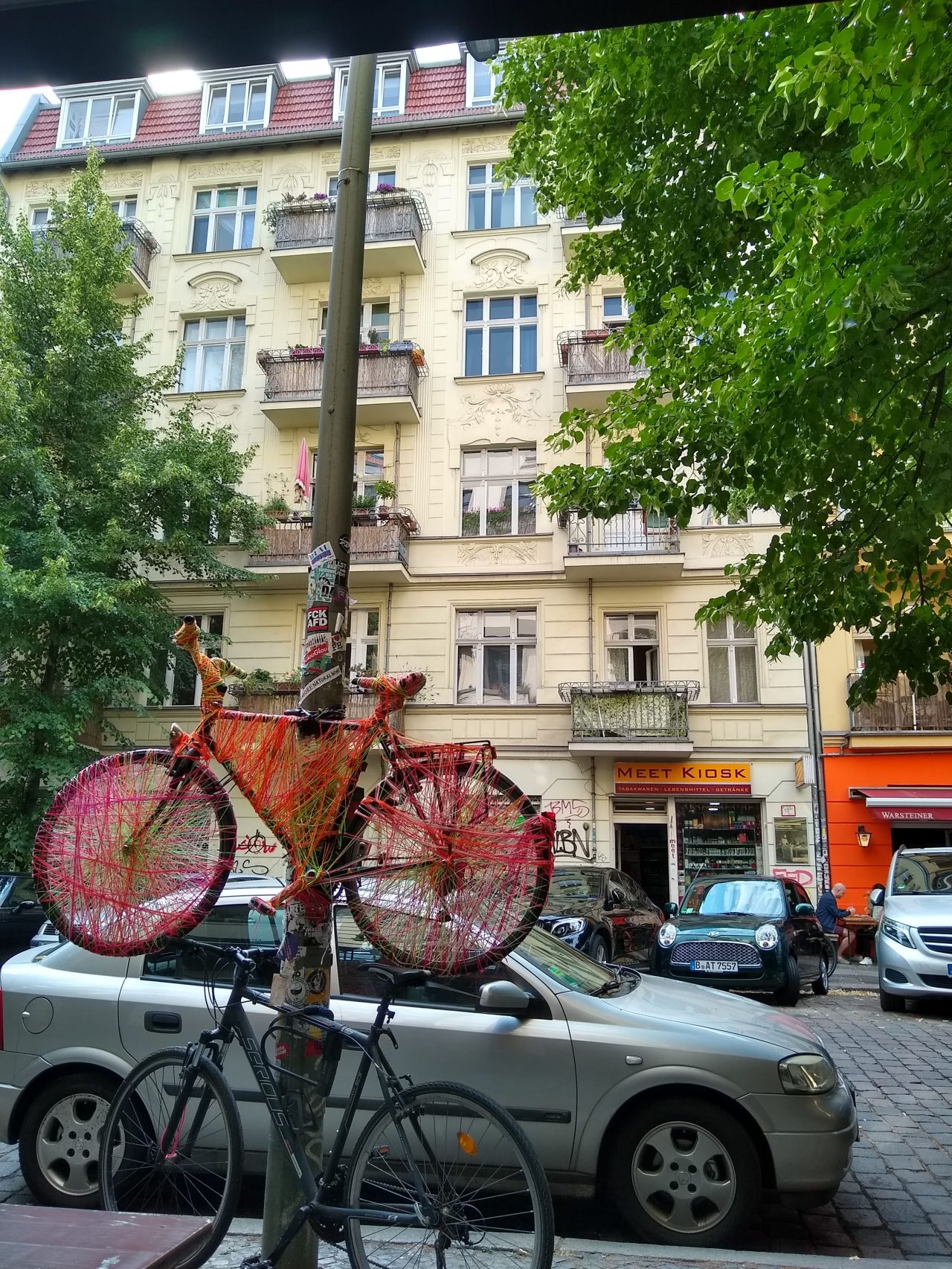
Well, I say Germany, but I should probably caveat this one out of fear of false advertising. Until I get the chance to explore more of the country this will have to reflect my exceptionally asymmetrical experiences of the place.
There is something special about the first place you move to after leaving home. It has the ability to define how we come to consider cities or domestic environments for the rest of our lives. It is the first time we likely have significant agency over where and how we live, how we choose to spend our free time, and how we approach navigating the world around us.
For me that was Berlin. It is a city I have been trying to get my head around ever since I moved there in 2011 and has hugely influenced the way I think about places. It is also, probably wrongly so, the overriding impression I have of Germany, its housing, and its real estate markets.
Indeed, Germany has a fascinating poly-centric urban system, where broadly speaking different cities serve different functions and communities. If you want to work in finance you need to go to Frankfurt, for the media to Hamburg, or for automotive engineering to Stuttgart. This is fundamentally different from places like London which is, essentially, a centre for everything, for better and worse. I personally quite like it because, as much as it is great to have such diversity in a place, the power to shape and define a city in a world where economics has become such an overriding force is inherently asymmetrical.
Since reunification Berlin was the place for those who either wanted to work for the political system and state or totally shun it as part of the counter culture. And so my main experience has been through a city whose residents were exempt from national service in the Cold War and has since become a hub for cultural, arts, and nightlife. If anyone would care to make my perspective a little less Prussian, I look forward to being enlightened…
Why buy when you can rent
Ask any expert what is peculiar about the German housing market and they are likely to note the size of its rental market. Less than 50% of people own their own homes, while in Berlin the figure is even less at around 15%. To put this into context around 47% of people in London own their own homes.
This propensity to rent is often proposed as an example to emulate as we shift away from traditional ownership into new models of accessing residential property in cities. But it’s important to note the reason it is so well established is due to strong tenant protections and regulations which give assurances often only possible in other countries through ownership. For me this is key to any successful market where private renting becomes ‘the norm.’ The model generally works in Germany because it provides tenants with certainty and security, arguably the most important things any housing should offer.
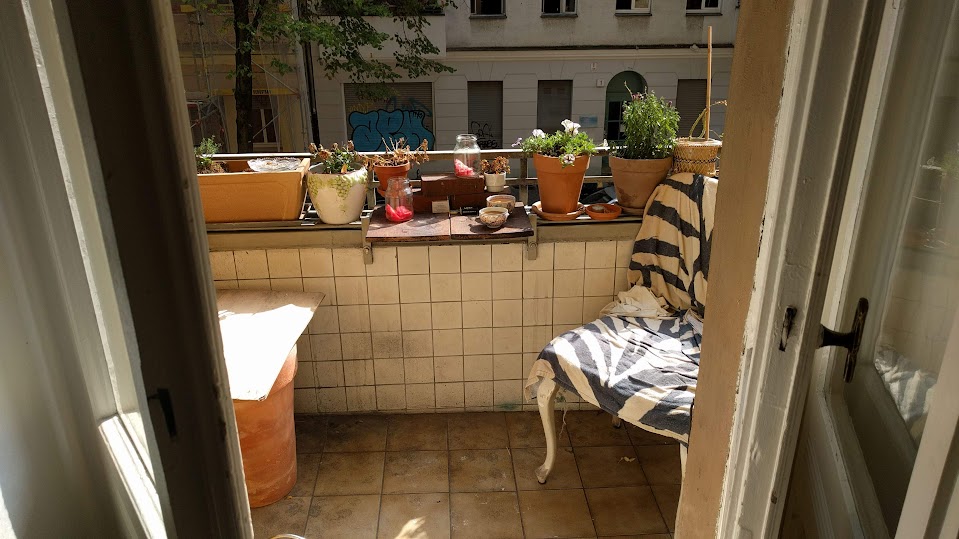
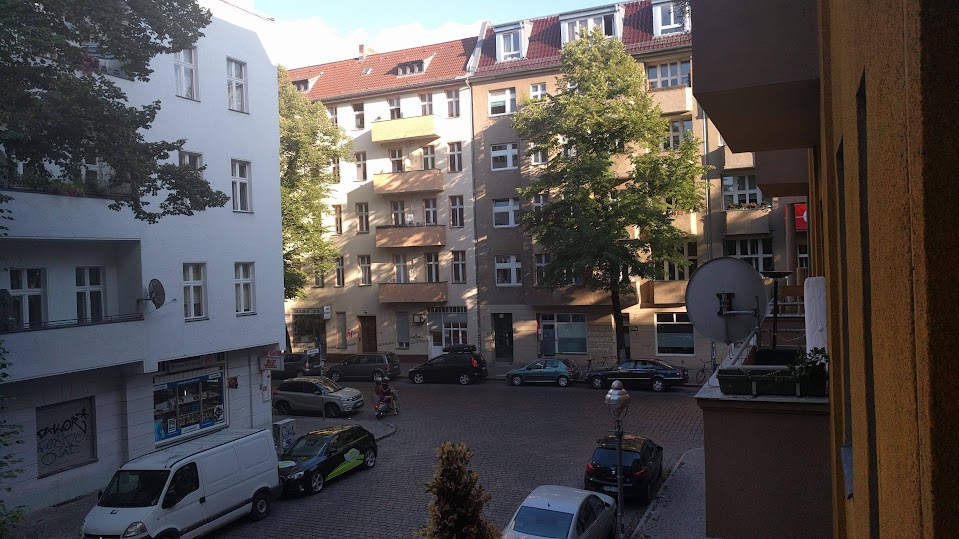
There are of course notable challenges with this, especially when it comes to attracting new forms of investment into creating new rental supply. If homes can be used less flexibly as ‘assets’ in response to changing market dynamics, there is less incentive for developers to build with gusto. But for tenants, especially those lucky enough to already be in situ, it is a godsend.
A key example of these pro-tenant policies have been the Mietpreisbremse (rental brake). This is a federal law that came into effect in 2015 and puts a limit on rental increases in high-demand areas, restricting new rents to 10% above the local comparable rent for homes of particular sizes and with certain features.
I won’t bore you with all the technical details. The thing I think is most interesting about it is the cat-and-mouse game that emerges between landlords and tenants in such policies. Loopholes are found, exploited and tweaked, before the process starts all over again. For example, although furnished apartments are still generally subjected to the law, landlords are able to bypass this with a premium for furniture (Möblierungszuschlag) that allows them to recoup costs. Naturally, some take the piss, and I’ve heard people complain about listings where landlords have simply dumped a cheap IKEA mattress and table to designate it as ‘furnished.’
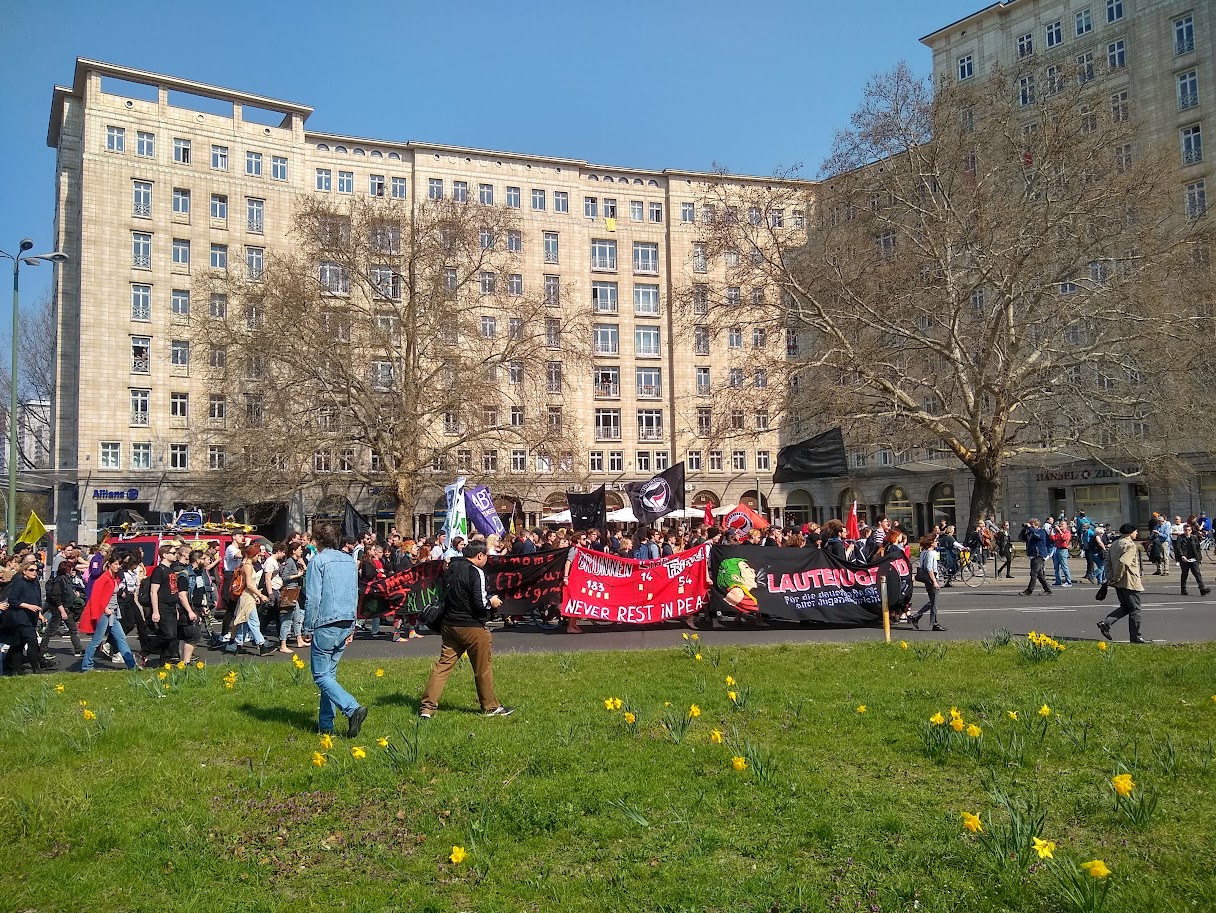
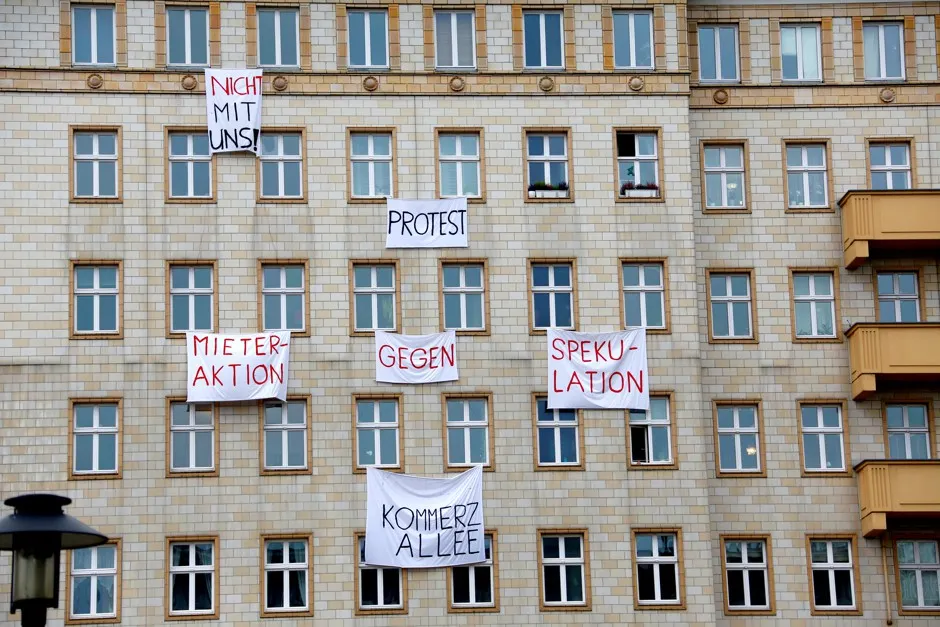
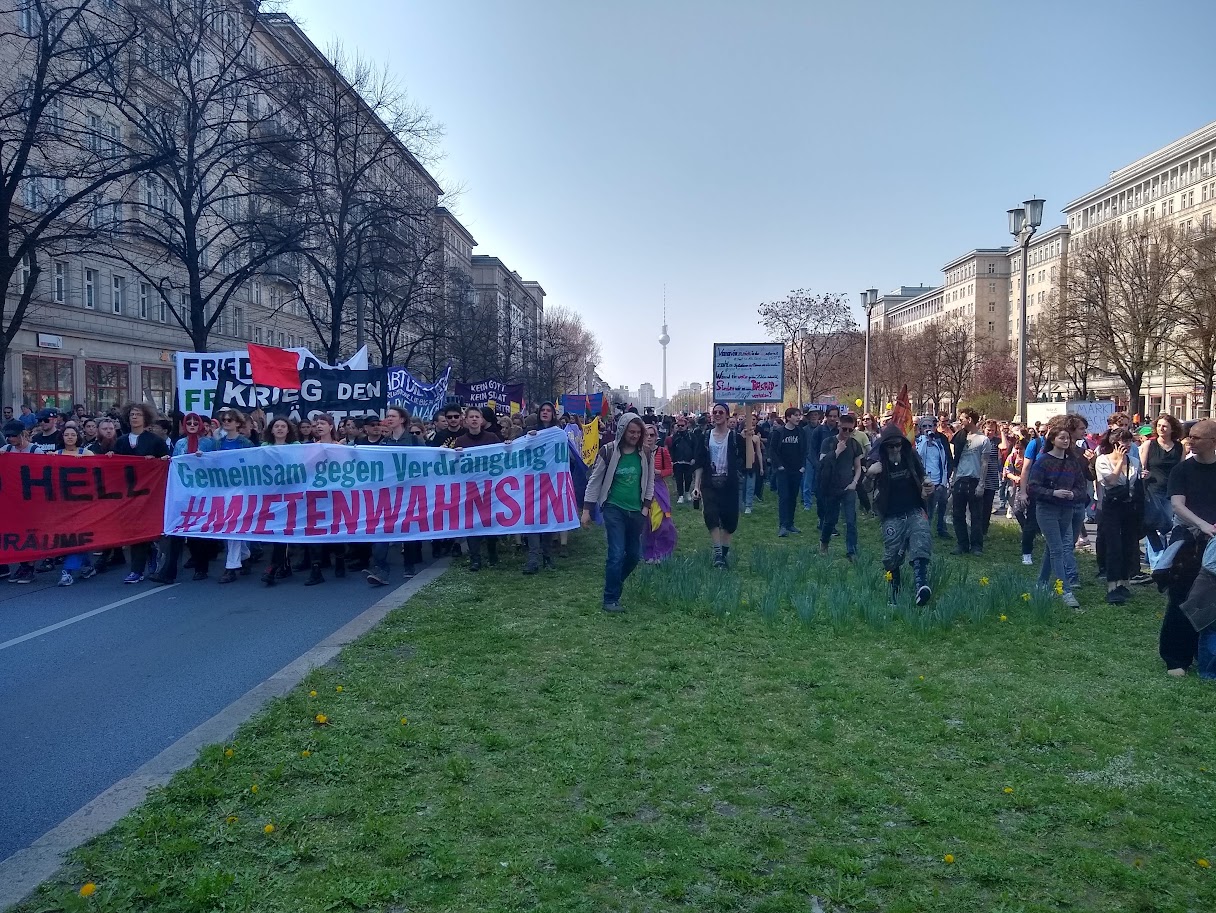
The other key loophole has been that short-term furnished rentals, e.g. just for a few months, are often exempt. The original intention in places like Berlin was to accommodate the legitimate needs of international workers that would benefit from shorter stays. But figures doing the rounds suggest that 50% of rental listings in the capital are now for this type of housing. In Friedrichshain-Kreuzberg, particularly desirable and ‘trendy’ (gosh I hate that word) neighbourhoods, this is up to 70% of listings, three times more than 10 years ago. Across Germany, adverts for these furnished temporary apartments apparently increased by 185% between 2012 and 2022 while those for regular rental housing fell by 60%. For a policy presumably designed to improve access to longer-term housing options, this isn’t ideal.
But tenants are finding ways to resist these loopholes and get the rental brake enforced. It is ultimately up to the tenant to check and ensure they are not paying excessive rent. This obviously has significant issues, including those tenants not aware of the law, confused over how to get it enacted, or whose German may not be good enough to exercise their rights easily. When the law was first introduced, it did not apply if the previous tenant was already paying a rent above the limits, meaning if you bagged a place after one of these people, you would be stuck with the higher-than-technically-legal rent. Amendments in 2019 ultimately changed this, ensuring that previous rents are made visible and also limiting further increases if it is already at the 10% limit. But it does show how rent can stealthily grow beyond the supposed legal limit due to tenant inaction.
This has led to a growing importance of institutions of Mietervereine (tenant’s associations) such as the Mieterschutzbund. Members pay a fee of €50-100 a year to access legal support, including options to be represented in court, to negotiate a reduction in rent with the landlord. Private companies have also gotten in on the act, such as Conny, who will get your rent reduced for you and charge commission through the retroactive reduction from the previous illegal rent from the landlord.
But even this is subjected to a cat-and-mouse game. I have a friend who had missed his chance to get legal support in court for his rent reduction, so he would have needed thousands of euros upfront to pursue this. Instead, his claim through a Mieterverein was met by a proposed deal from the landlord, giving a decent discount to the rent but not the level that would be technically legally required and could be achieved through court. He had to take this option, meaning the rent had risen beyond what it technically should have been. That higher rent in turn impacts future calculations for average local rents that other cases will be benchmarked against, inflating it faster.
The struggle over rental regulation was evident in another rental law: the Mietendeckel (rental cap). While sharing the Germanic penchant for smushing words together and providing yet another compound noun using Miete (rent) plus additional suffix, this is firmly a separate policy from the Mietpreisbremse. It was a rent control law in Berlin only that set rent limits in each neighborhood and stopped all rent increases for 5 years at June 2019 levels. It also stipulated that any rents that were 20% in excess of acceptable levels should be reduced. Landlords could get big fines if they were overcharging. This was implemented at the start of 2020 but led to a lawsuit brought about by conservative political parties and was ultimately repealed in April 2021 as it was deemed unconstitutional.
Recent announcements confirmed that states will need to more closely monitor furnished rentals, and that the Mietpreisbremse will be extended until the end of 2029. But overall rental regulation in the private market is always a tricky business, especially when trying to think about where future supply will come from, and the quality of that supply at particular price points and in relation to the rest of the market.
One important point is that new developments are exempt from this policy. The law only applies to homes built before 2014, with new build properties exempt. But this has created a ‘locked in’ effect where renters hold on to existing contracts on lower rents, widening the gap between existing and new rents into a two-tiered system. It is a similar effect to what happened in the US when high interest rates gummed up the housing market post 2022. Moving home meant borrowing afresh at higher rates, so homeowners who may have upped sticks ended up staying put leading to fewer existing home sales. Buyers were left competing for a much smaller stock of new homes, leading to more sales and higher prices. Thus the rental market can become equally gummed up, leading to more competition and thus higher rents for these fewer new build flats.
Why rent if you can sublet (or sub-sub-sublet)
The two-tiered rental market has thus become a feature of the formal system. And as with any formal system, there soon emerges alternative, informal ways of navigating that system as people attempt to take advantage of the gaps that appear within it. Any social gathering I went to back in 2011 you would inevitably find some lucky sod who had found themselves an old contract that had not been updated for years. While we were paying €300 or so for a room, they were paying €300 for a whole damn flat. And a nice flat at that.
These contracts seemed to be renewed in perpetuity, passed down from relative to friend to acquaintance like some precious piece of property contraband. God forbid the landlord would be made aware of current market rates or if they did, to actually want to go through the hassle of drawing up a new contract when they were perfectly happy plodding along as before. I shudder to think what the situation has become nowadays between the haves and the have nots of Berlin rental contracts.
As with most dynamic global cities nowadays, getting a flat to rent in Berlin is a Sisyphean challenge. Even in 2011 the sting of a lack of availability was acutely felt. I personally got very lucky, and my first experience of flat hunting would be my first taste of the informal aspects that dictate the market far more than I think is accepted in real estate circles.
The room going spare was in a flat owned by a girl from South America, bought by her parents while she was completing her studies. Of the several of us at the viewing, one chatted happily away with her in Spanish while another cracked jokes. I knew I was screwed. It came as quite the shock then to receive an email that evening offering the room to me. Once settled in I asked why I was the preferred candidate and she said: ‘I like the fact that you sound like Harry Potter.’ There but for the grace of the soft cultural power of the UK I was housed.
The subletting culture, though, in Germany is something that sets it apart from most other places. While you technically need permission from the landlord to sublet an entire apartment, tenants have a legal right to a partial sublet, i.e. a room in a flat, if they have a legitimate interest. Before anyone jumps at me with the technical rules of subletting and the landlord's involvement, yes the law certainly puts in parameters for the landlord to refuse. But by now you know the drill that markets are much greyer in reality, and that certain shades of grey are more readily accepted in some cultures. Traipsing through rental listings for Berlin at obvious sublets back in the day, the fact that the majority stated Anmeldung (registration with the state of a personal address) was not possible almost guaranteed it was technically illegal. But this is the reality that helped so many people get their foothold in the city or survive on slightly cheaper rent if they had a legal status that didn’t require registration.
The Architectural Payoff
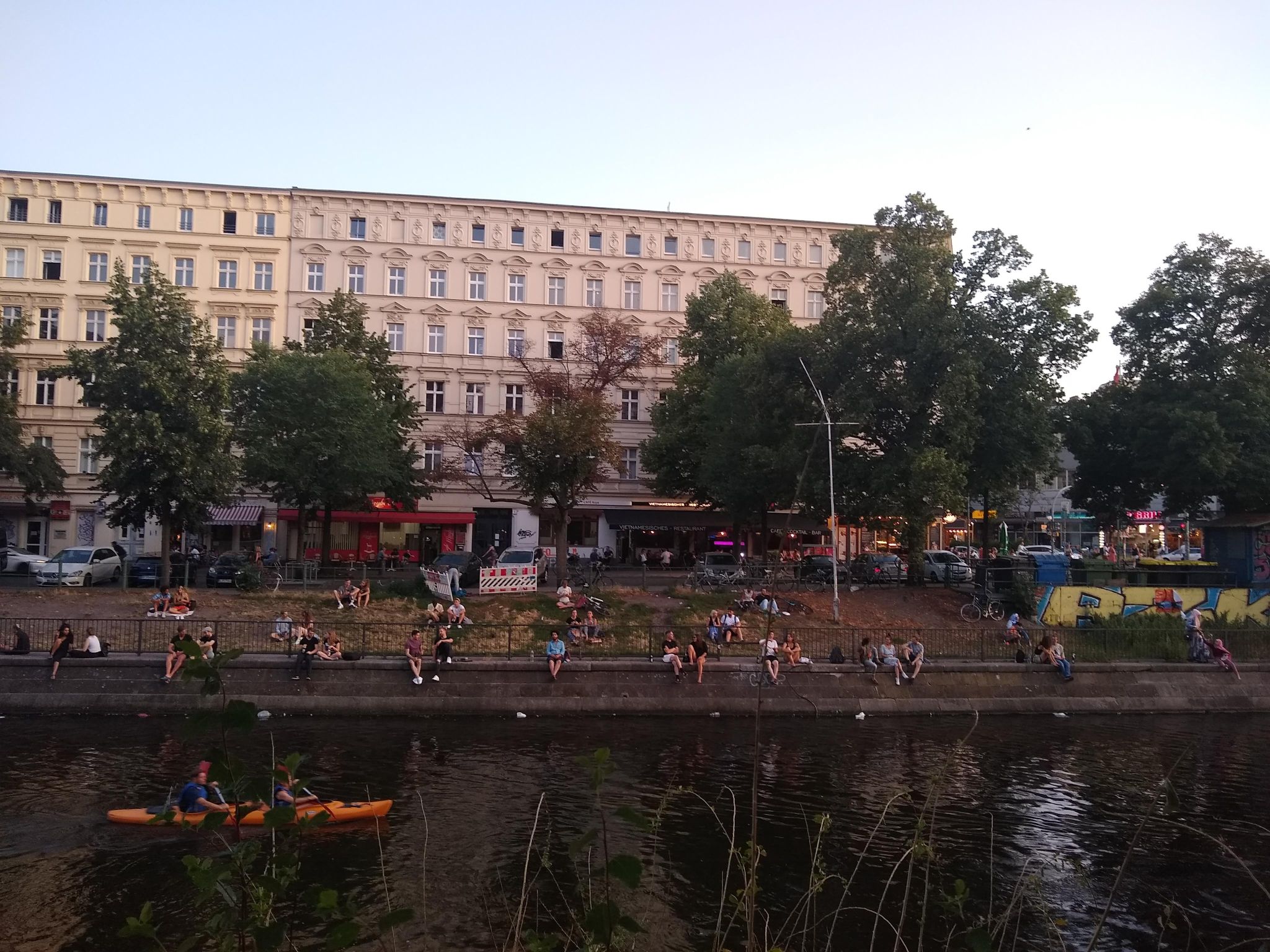
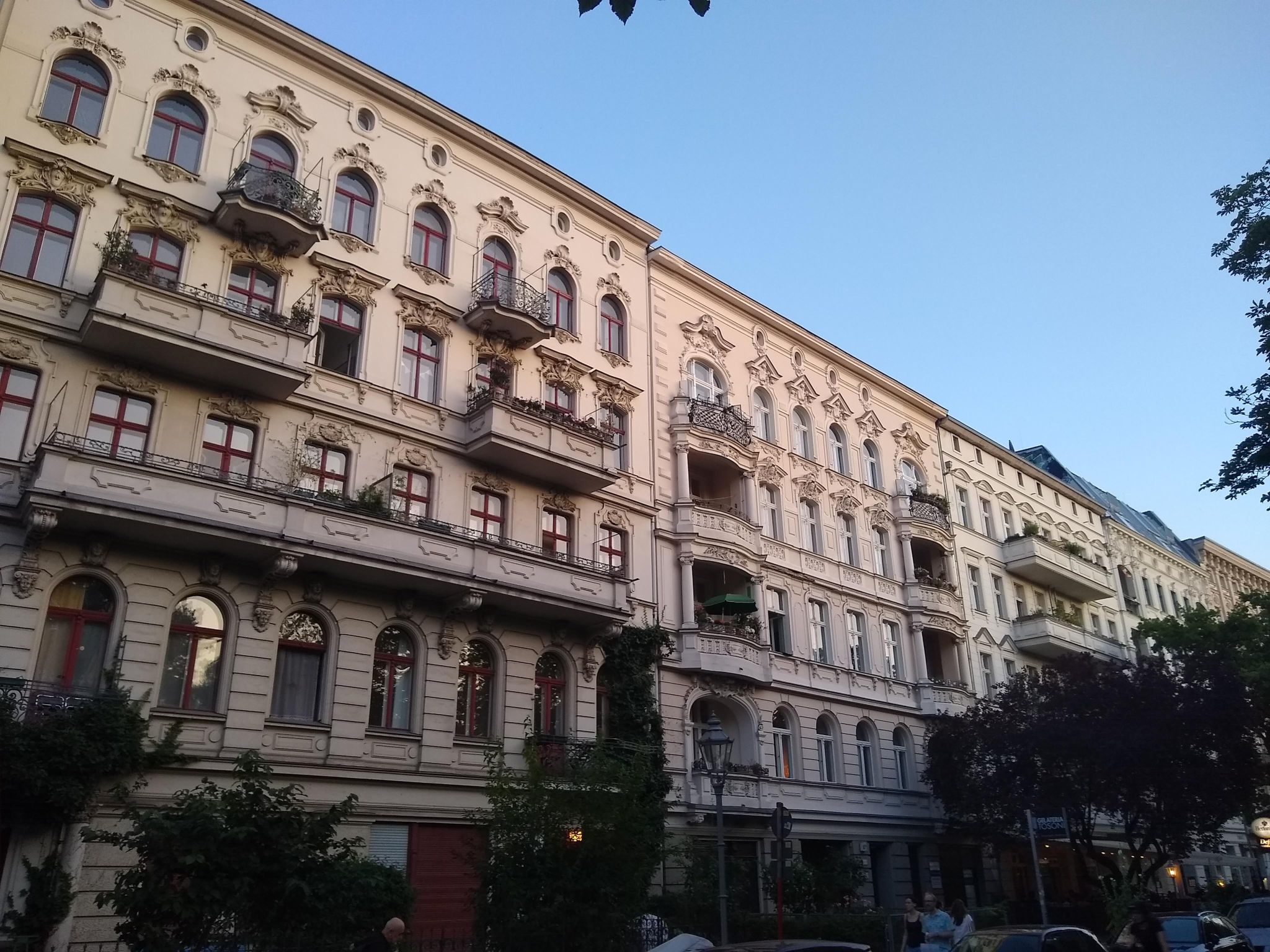
In Berlin you are extremely lucky to find a flat to rent. But when you do, oh boy, what a flat are you likely to be renting. It’s probably due to the formative time of my life I ventured there, but for me the iconic Mietskasernen (tenements) in central Berlin districts is the ideal form of urban housing.
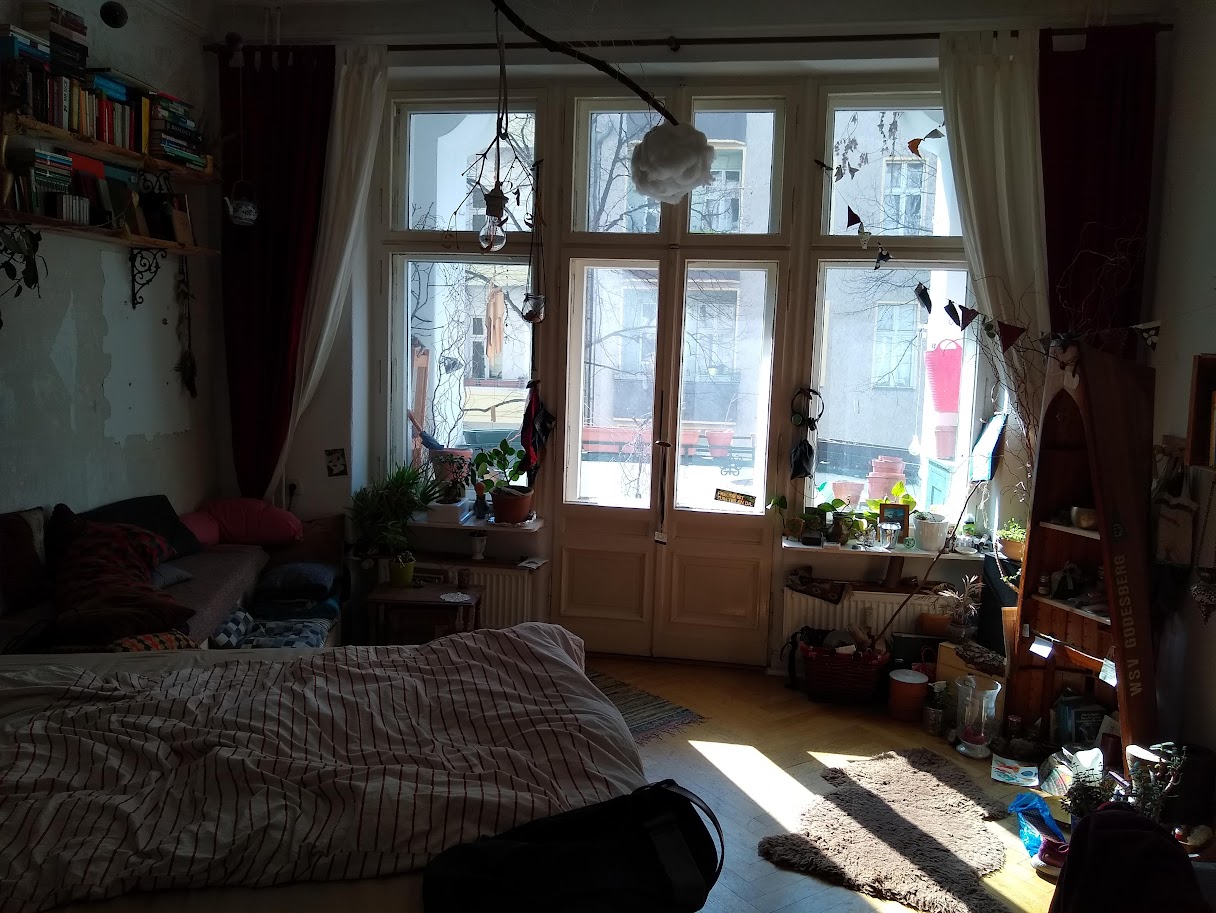
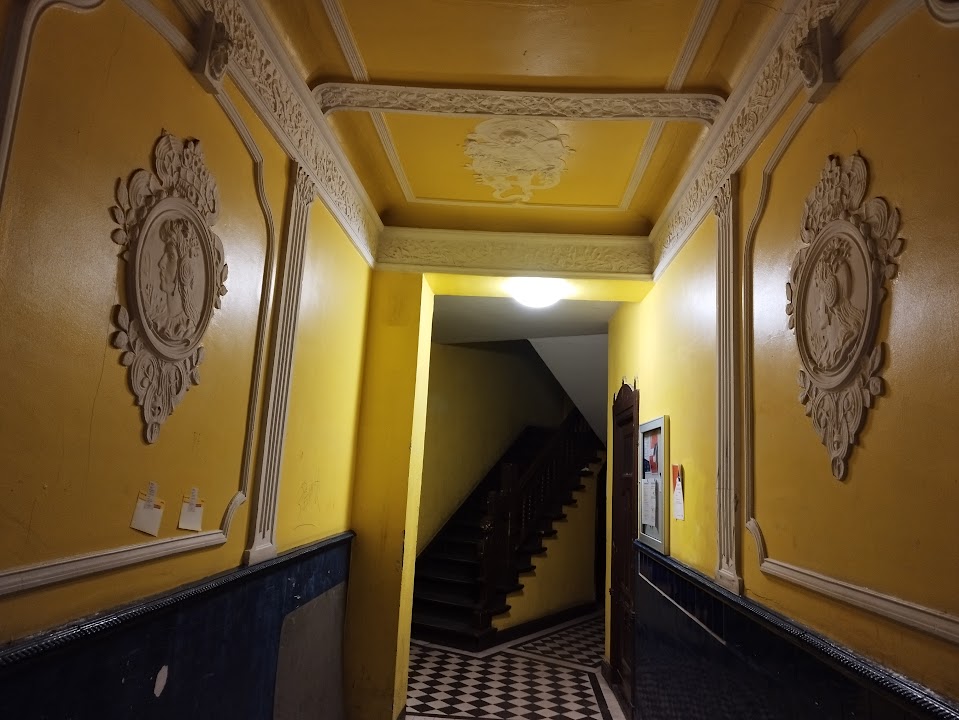
I’ve always been utterly enamoured by these midrise urban tenements, built in the late 1800s and early 1900s. They are beautifully generous with their high ceilings, large rooms, vast windows, sheltered balconies, and often intricate facades and stairwells. Their internal courtyards provide a semi-private space for the block, sometimes featuring little gardens (and a good place to store your bike). They also allow for higher levels of density, with dynamic streetscapes offering cafes, bars, restaurants, and other amenities on the ground floor.
It is interesting to see the transformation of the Mietskasernen from being once reviled, due to their overcrowding and unsanitary conditions, to highly desirable places to live, similar perhaps to Victorian or Georgian terraces in the UK. In the latter part of the 20th century their conditions were substantially upgraded while maintaining the community and liveliness of the neighbourhood, providing important lessons today to improve housing in a socially and environmentally sustainable way.
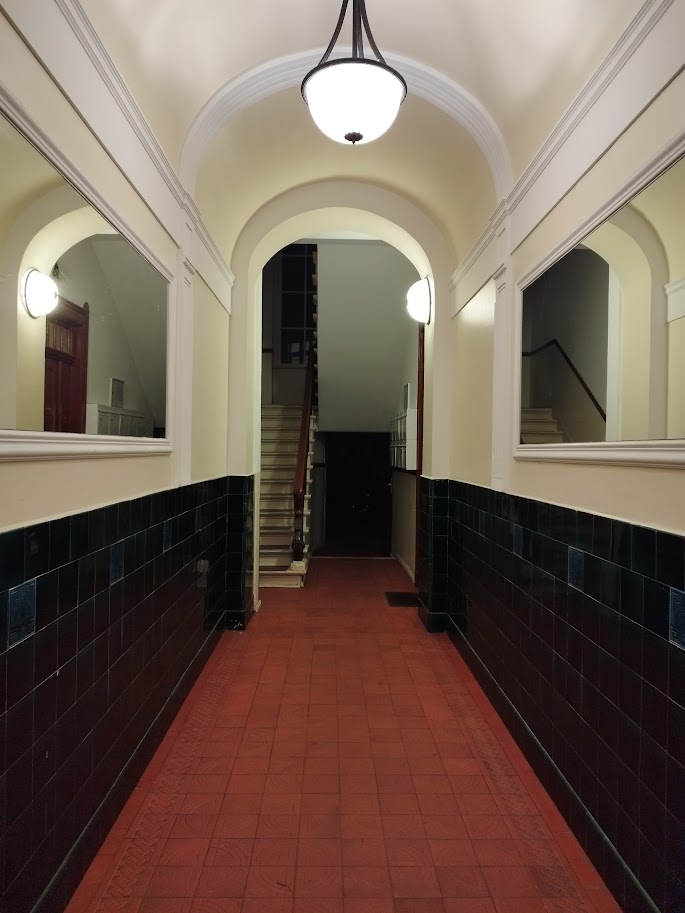
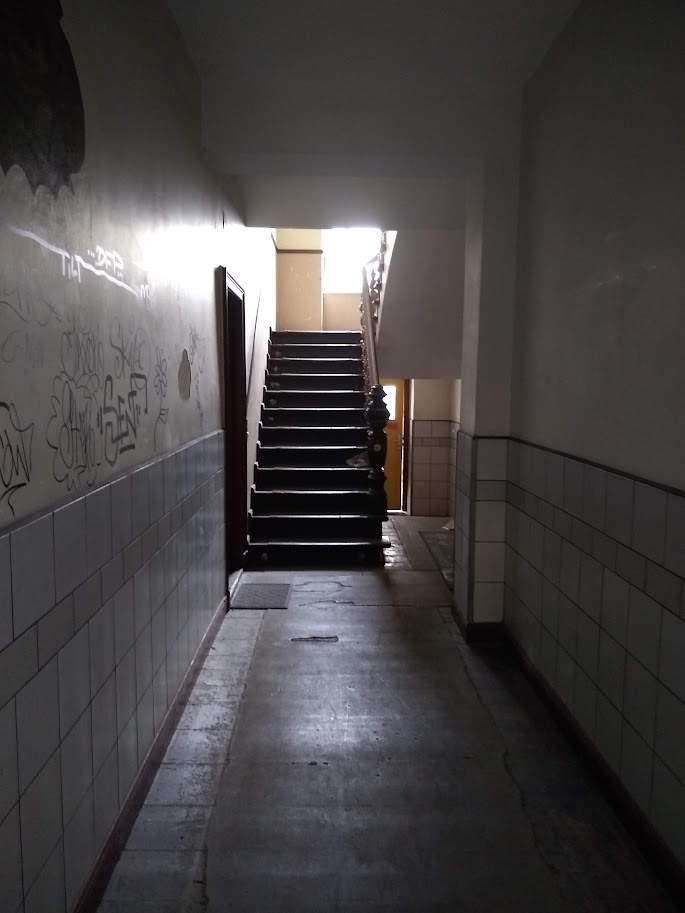
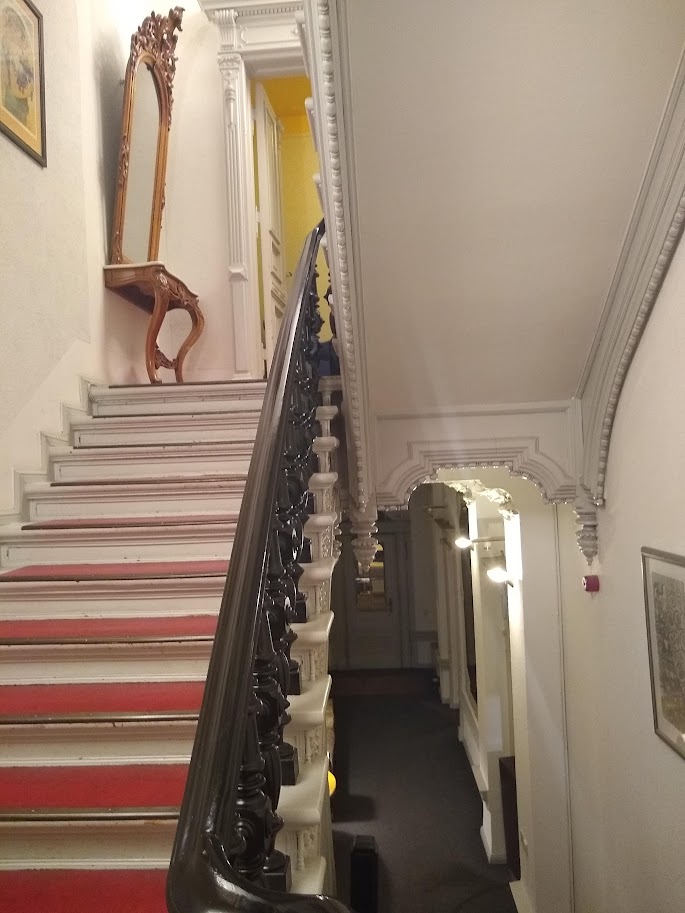
With relish I bounced across various house parties at the weekend, as excited to experience the flat layout and solid floorboards, see what the occupants had done with their balcony or filled their large rooms with, as I was to meet new people. It was a joy to see an old ceramic Kachelofen (tiled stove) that once required tenants to lug coal up flights of stairs to warm themselves, now kept mostly for decorative nostalgia. And, of course, to see the bath tub filled with water and beer as a makeshift mass fridge. Although, I am pleased to say I have grown out of the bohemian-tinted spectacles of finding a bare mattress on the floor to be ‘cool’, similar when it is rested on wooden pallets. There is nothing wrong with an actual bed frame and actual mattress ventilation.
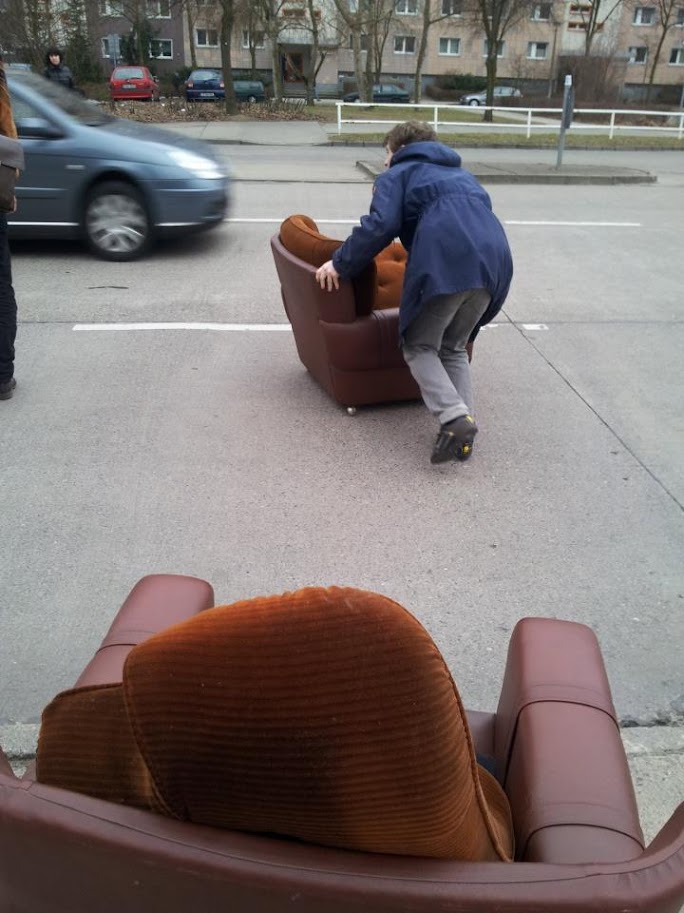
While the reputation of the Mietskaserne has been revived, a different domestic typology has arguably seen the exact opposite happen: the modernist block. In Germany this has become most associated with the former East in the Plattenbau, large blocks made from pre-fabricated concrete. The areas where the buildings are concentrated, especially Marzahn in East Berlin, have become infamous for being centres of far-right politics and violence, high unemployment, and low incomes. The extent of the reputation is probably unfair I would say, although there are definitely significant problems. When I was studying Berlin’s refugee shelters after the 2015 crisis someone threw a pig's head into one of them as a presumed anti-immigrant attack. The first personal experience I had of the area was when I went to pick up two armchairs to take back to my flat in early 2012. When I got out of the station with a friend who was there to help, we were confronted by a man relieving himself in the entrance who took one look at us before saying: ‘Students! What the fuck are you doing here?’ It was about 1 o’clock in the afternoon.
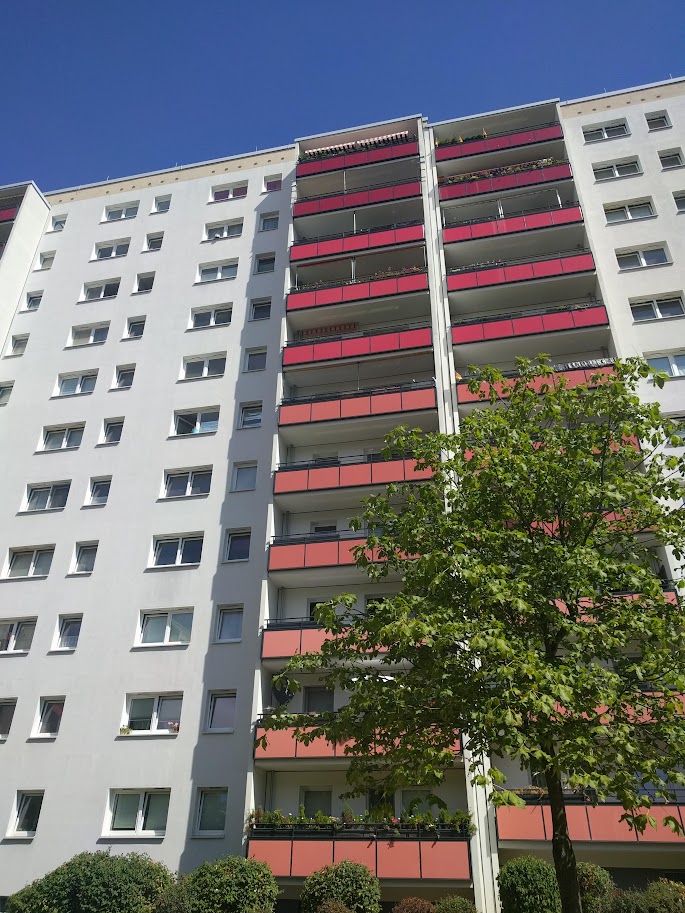
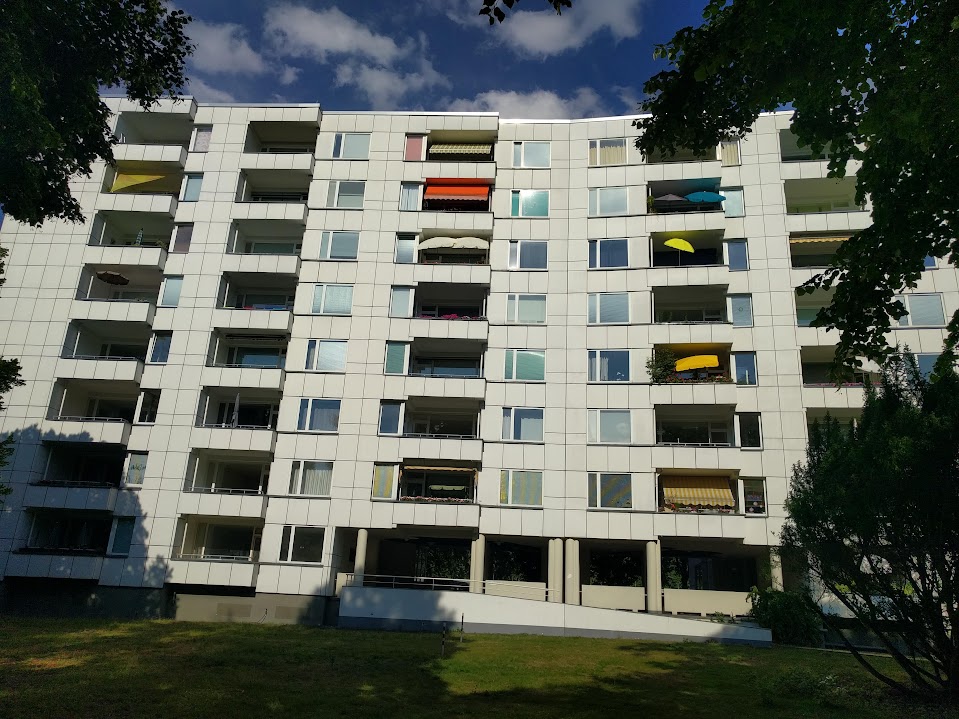
Distaste for large housing estates is pretty widespread, but I definitely have sympathy for them. Yes, they can be anonymous and alienating, upending the ways we have lived in cities for millennia. But it is difficult to knock what I believe is the intentions in good faith to make high quality housing for working people. Indeed, when they were built, the Plattenbau undeniably provided much better conditions than the central Mietskasernen which were overcrowded and unsanitary.
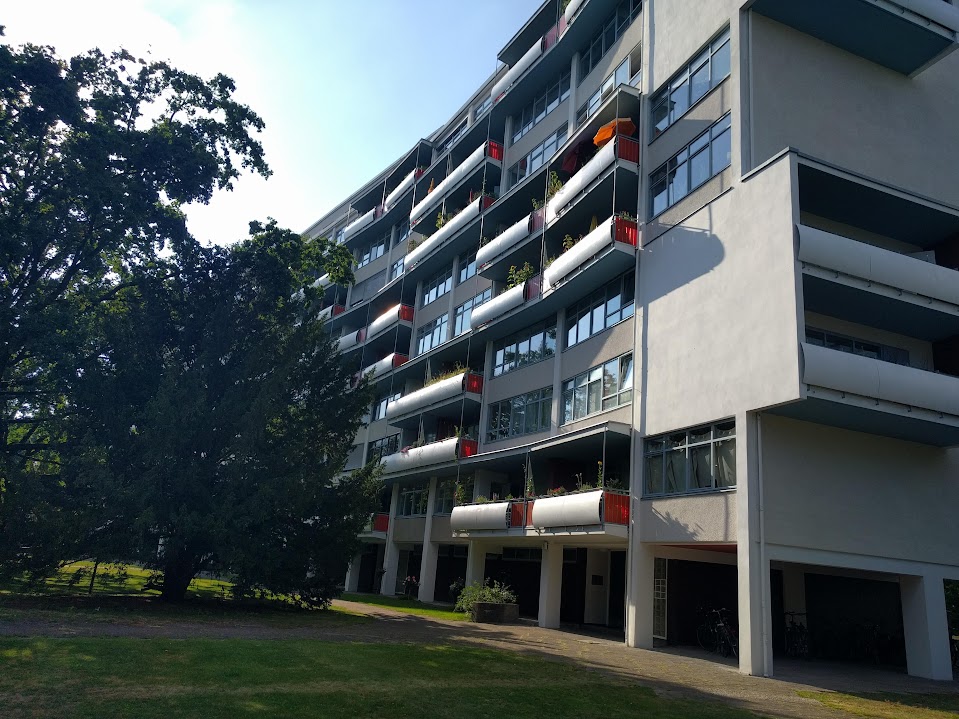
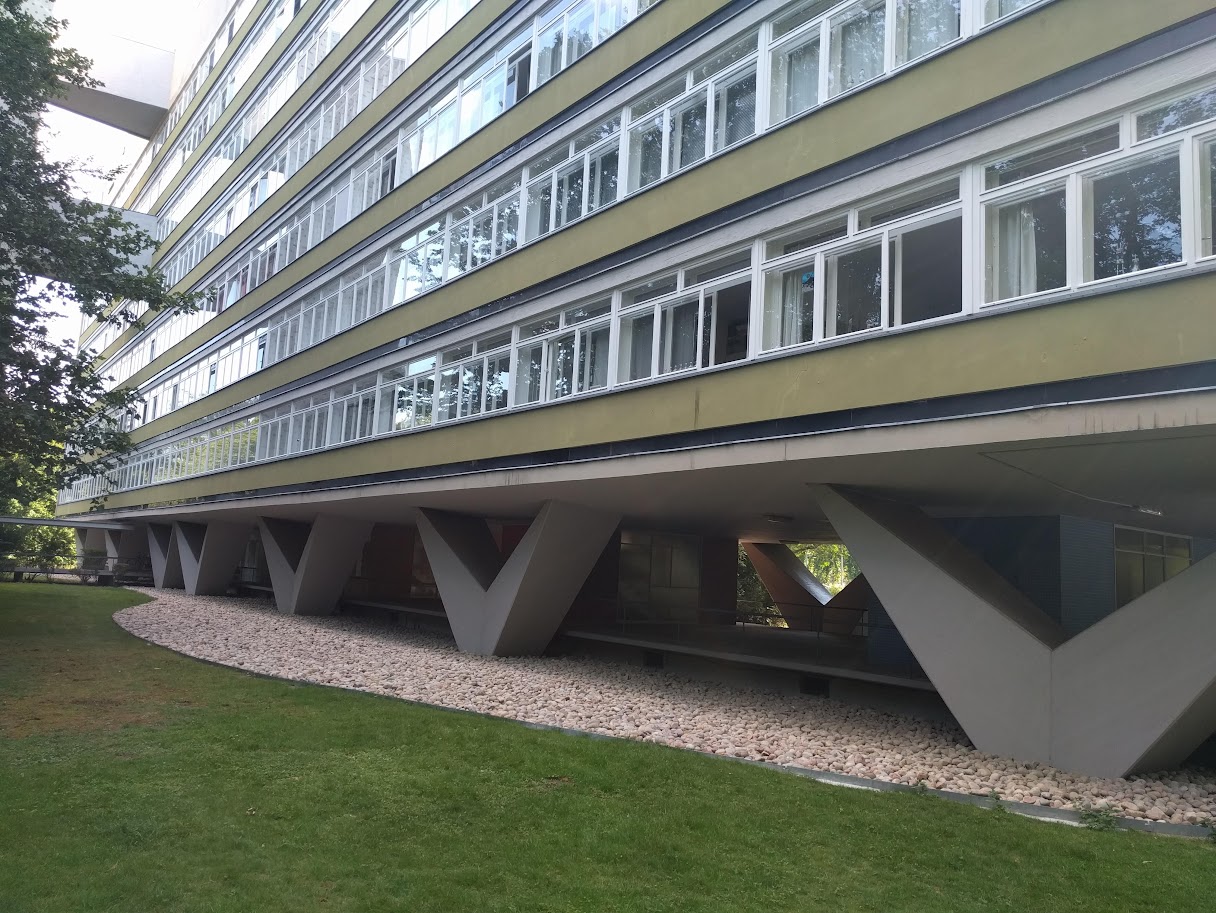
It is also worth noting that West Berlin also featured similar pre-fabricated blocks, and long before the real Plattenbau boom of the 1970s. The Hansaviertel near the Brandenburg gate was a clear example of this. The Interbau 1957 was the largest exhibition held in Germany in the 1950s, intended to encapsulate westward-looking urban design principles for the reconstruction of German cities. The newly-built district featured some of the foremost modernist architects of the age, including Alvar Aalto, Walter Gropius, and Oscar Niemeyer. Although they have a bit more variety in architectural concept than the Plattenbau would have, they undeniably derive from the same practical considerations and technologies.
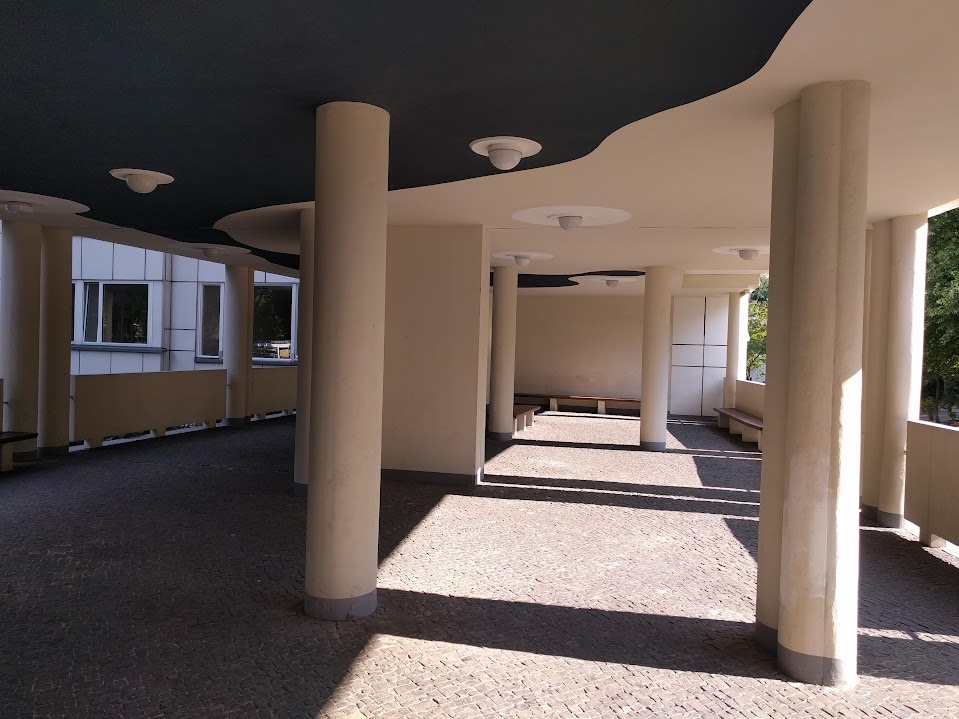
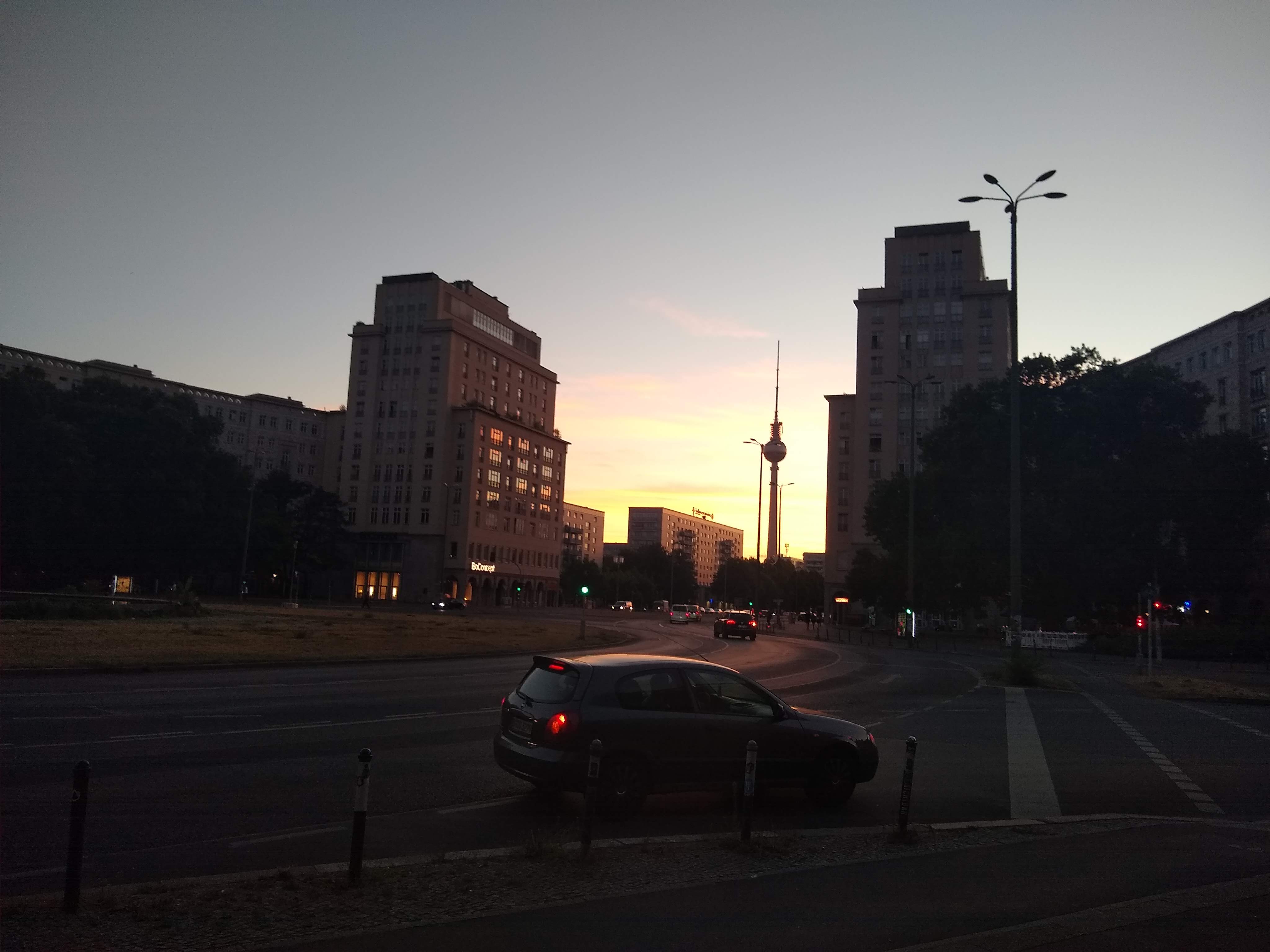
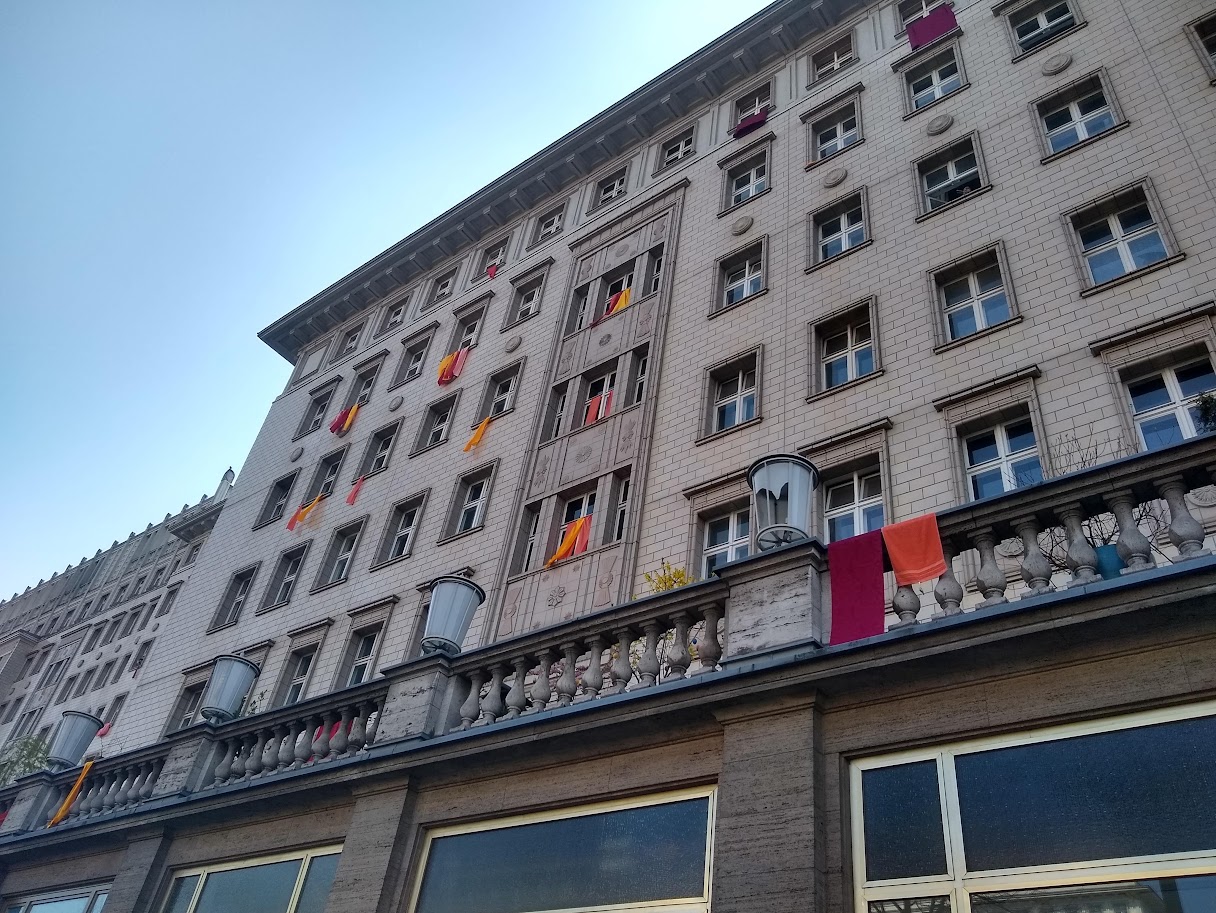
While the West were getting down with the concrete block, the East were focused on reconstruction around what was appropriately described as the Zuckerbäckerstil (wedding cake style). This Stalinist neoclassical aesthetic was transplanted into the centre piece of East German reconstruction: the Stalinallee, now known as the Karl-Marx-Allee. This was to create ‘palaces for the people’, new apartments in grand palatial structures, adorned with elaborate facades featuring ornate ceramics.
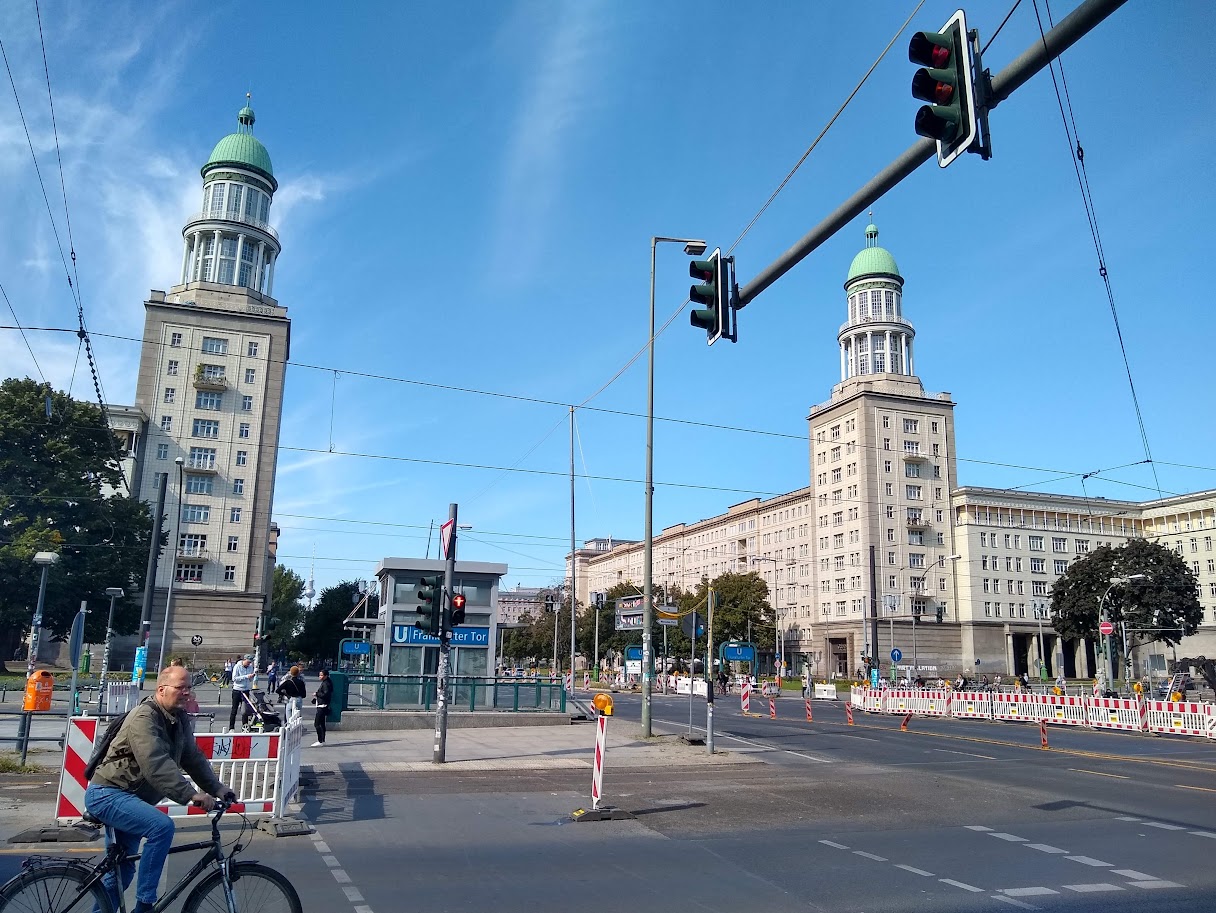
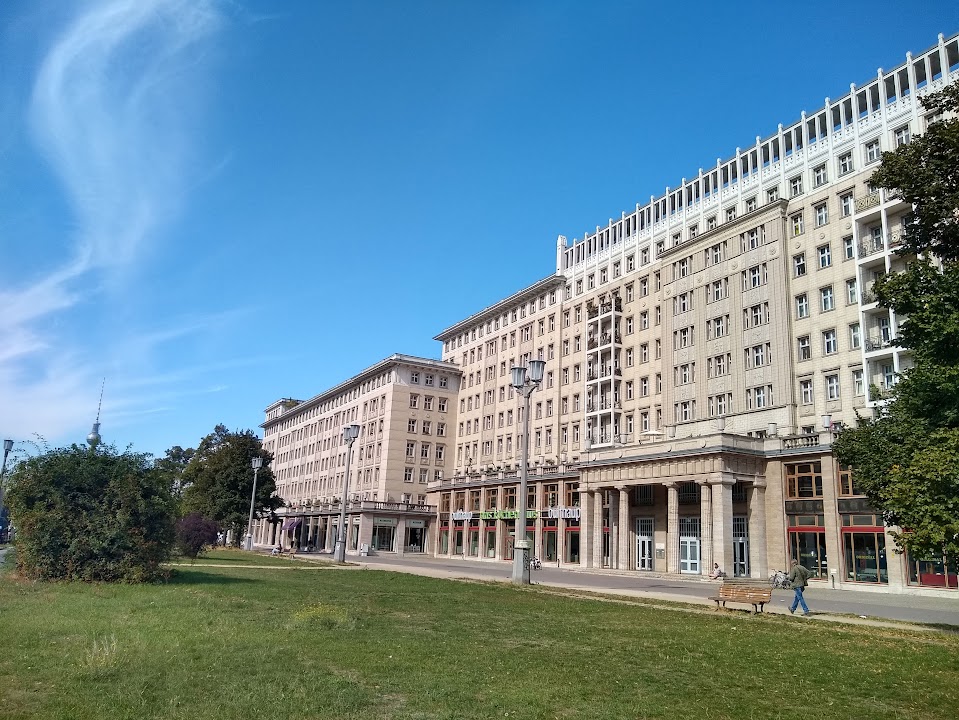
I interviewed some people on the street in around 2013 for a university project and was ecstatic to find residents who had lived there since its construction in the 1950s. By the time the first phase was complete in the late 50s however, the style had gone out of fashion and for the second phase towards Alexanderplatz you saw the introduction of the prefabricated concrete block rear its head. (As an aside, this section also features, as part of the development, one of the most beautiful cinemas I’ve ever been to: the Kino International).
When the baton for the concrete block was passed to the East, in parts of the West like Kreuzberg it was replaced by the process known as ‘gentle urban renewal’ that enabled the Mietskasernen to become what they are today. Rather than bulldosing them local communities renovated and redesigned them in a bottom-up process, helping to preserve local character and allowing existing populations to remain in situ. Homes were slowly updated and overly crowded blocks were altered to create more open spaces. The Kachelofen could become only a charming feature rather than indicate the constant struggle to heat homes.
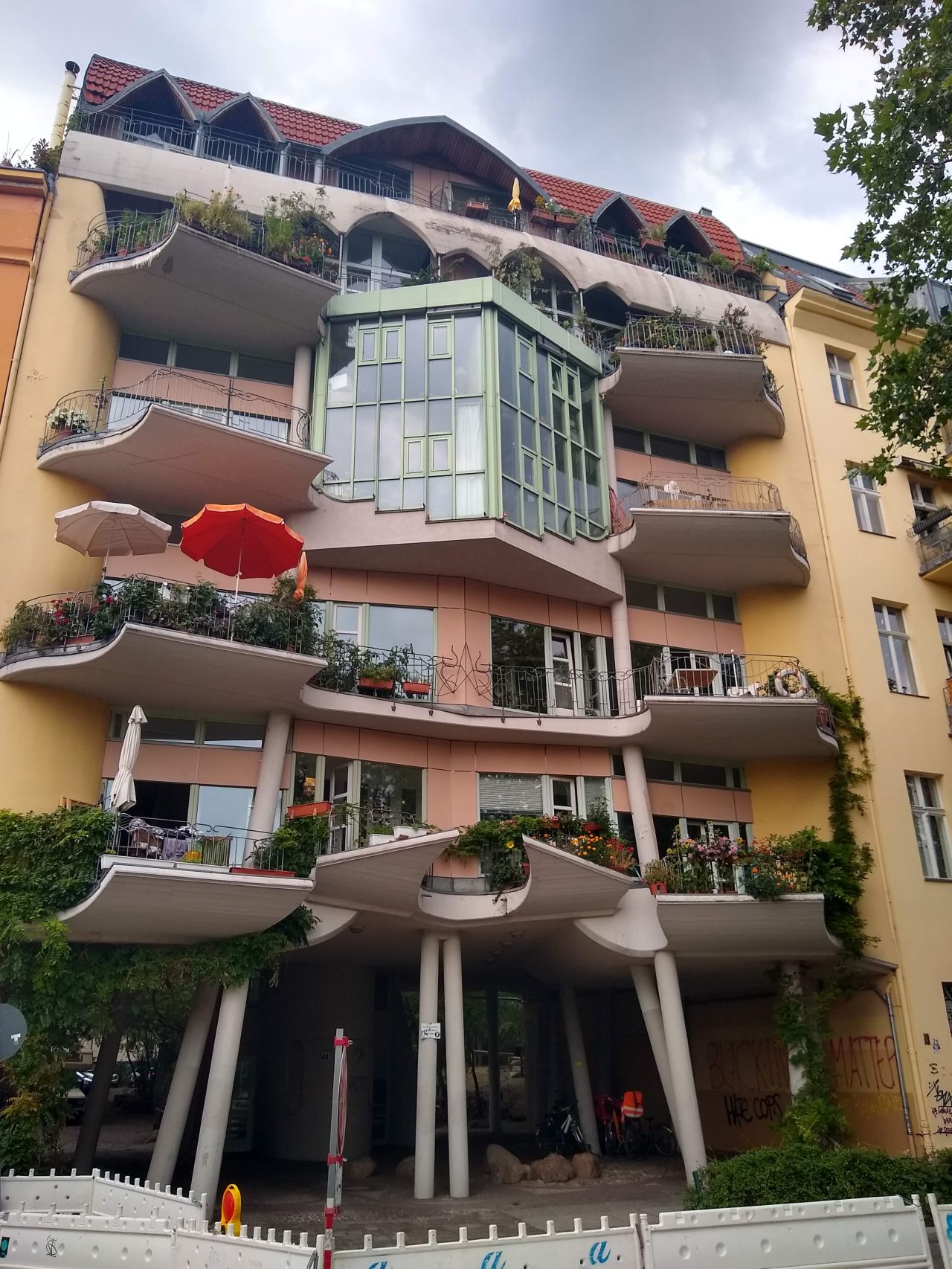
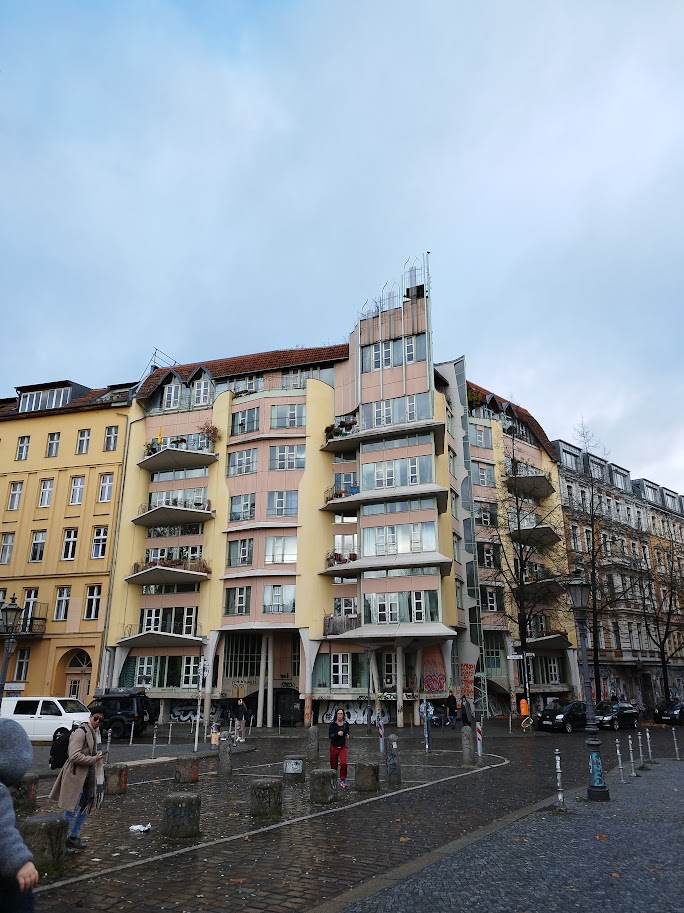
The majority of this renewal was sensitive to local character, upgrading or updating what was already there. One important exception which deserves honorable mention was one of my favourite architect couples who were involved in this but took it in a totally different direction. Hinrich and Inken Baller’s buildings are beautifully distinctive, embodying art nouveau vibes with organic, flowing forms and lots of ornamentation. They are exquisitely permeable, with large, asymmetric balconies and huge windows to let in light while the ground floor tends to have open spaces that act like gatehouses. One website appropriately describes the style as somewhere ‘between Gaudí and Hundertwasser.’ Anyone who has had a drink on the Admiralbrücke in Kreuzberg on a fine summer evening will have likely noticed one of their peculiar buildings.
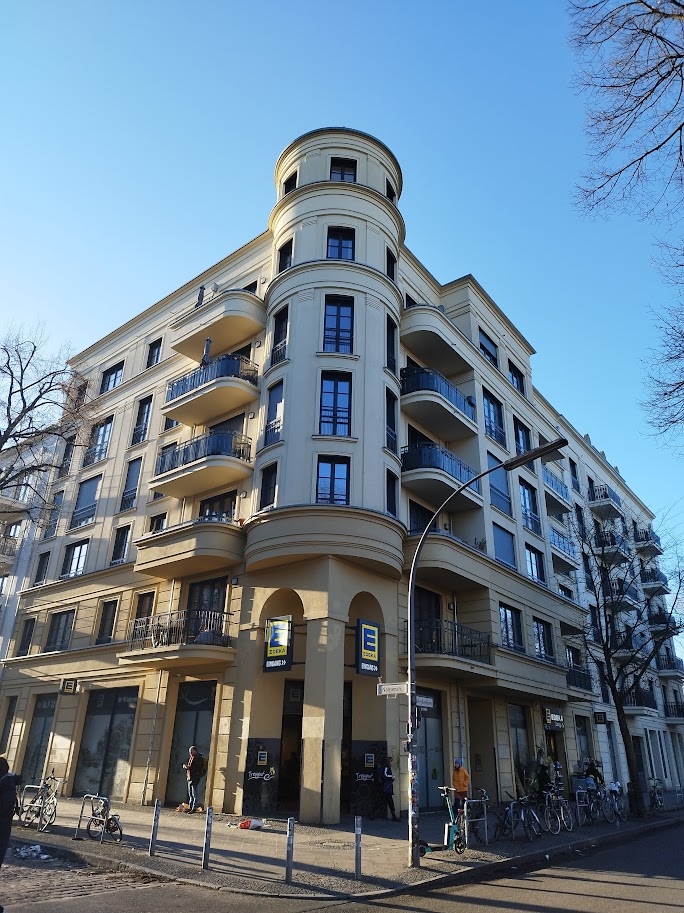
The wave of investment that has gone into Berlin in recent years, being as it was for a while considered the most promising European city for real estate investment, new build homes today often emulate certain characteristics of the Mietskasernen. You see the same architectural language of medium rise blocks, generous balconies, and a variety of facades. I like it, and this positivity is compounded by the fact that Germany generally has high building standards. In spite of criticisms I’ve seen levelled toward German construction (which are fair), the resounding negative reactions of any German I’ve met in the UK regarding our own housing stock puts this into perspective. The only difference is that today these changes are driven primarily by private capital rather than bottom up processes. In 2003 the Berlin mayor Klaus Wowereit famously declared that the city was ‘poor but sexy.’ These days are long over, a fact which has fundamentally altered the nature of these neighbourhoods.
Final thoughts
Even in 2011 I noticed a recurring trend among many I met living in Berlin: they were convinced they had just caught the dying embers of the great mythological city before it was ‘over’. Even 10 years later, I was amused to find other more recent arrivals claiming they too had just witnessed the last hurrah in the last couple of years. I am sure this has gone on for a long time: those who moved in the 1990s looking down on those who moved in the 2000s looking down on those who moved in the 2010s and so on. Cities change all the time, as they need to, and will include or exclude different groups along the way. But I share that tinge of sadness of something quite wonderful being slowly eroded over time to be replaced with systems similar to other parts of the world. I still, however, believe the core of its associations remain, albeit in a changed form.
Berlin became what it was because of cheap housing. This gave to some a level of freedom to take risks that would not be possible in the city today. In a way it was an aberration, a dislocated capital at the centre of the cataclysmic events of the 20th century which offered a unique chance to rebuild something distinct. It required very specific social, economic, and political conditions to become what it was on such a scale. I am glad to have experienced it when I did, but do wonder where or even if another city like Berlin can experience a similar renaissance. I can only hope so, or that this city I love so much retains that core I find so compelling.
Disclaimer: These posts reflect my best understanding of each market. They are based on conversations with locals and experts, academic articles, and other online publications while trying not to get bogged down in too much detail and keep things understandable and perhaps a little entertaining. If there is anything that is factually wrong or out of date, things that I’ve misunderstood, or extra nuances you think it important to note, please do get in touch!