It’s a standard rite of passage for anyone interested in the built environment to venture to Japan at some point. From both an architectural and housing market perspective it is utterly fascinating, drawing in urbanists from around the world who fawn over what is often portrayed as a uniquely distinct culture.
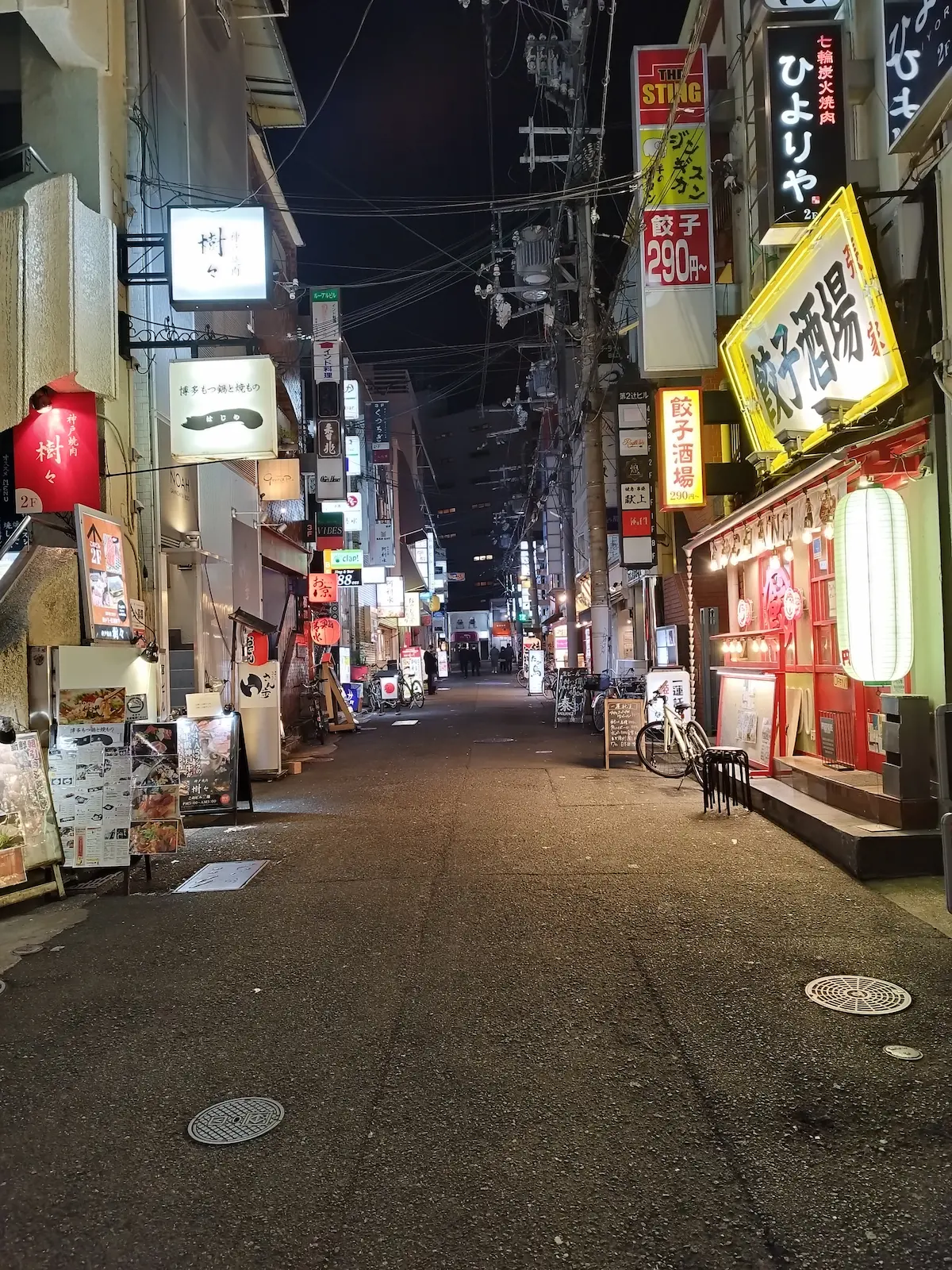
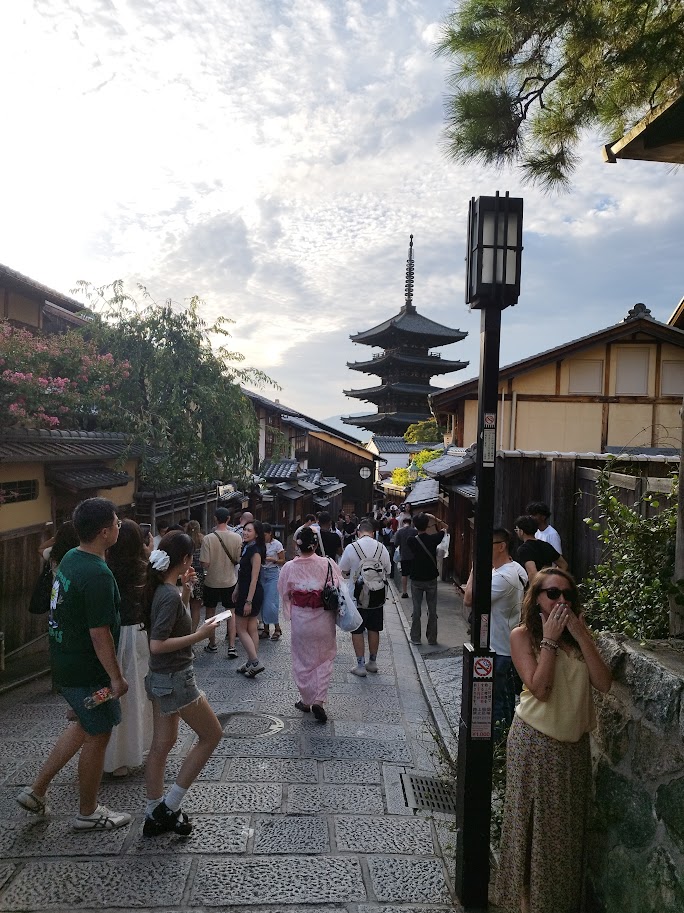
While certainly distinctive, I am wary of portraying Japan, its built environment, and its housing in an overly romanticised way. So much commentary has been accused of the telltale signs of a euro-centric orientalism which presents it as an enigma. The country itself reinforces this and, as with many specific and rather abstract concepts that reflect what a culture especially fears, values or prioritises, has a word for it in the language. Nihonjinron refers to the popular discourse in Japan that emphasises the unique, homogenous nature of its culture, people, and psychology.
But nothing comes from nothing. Japan’s buildings and aesthetics were not created in a vacuum and have their roots in a rich history of complex social and cultural interactions often with origins elsewhere. This is important as it makes all the wonderful things the country does well potentially repeatable in other contexts, providing practical wisdom for lessons we can learn especially in the West. It also helps us to demystify and think more critically about what attracts us to its spaces and the reasons why, helping us reflect on our own cultural choices when it comes to housing.
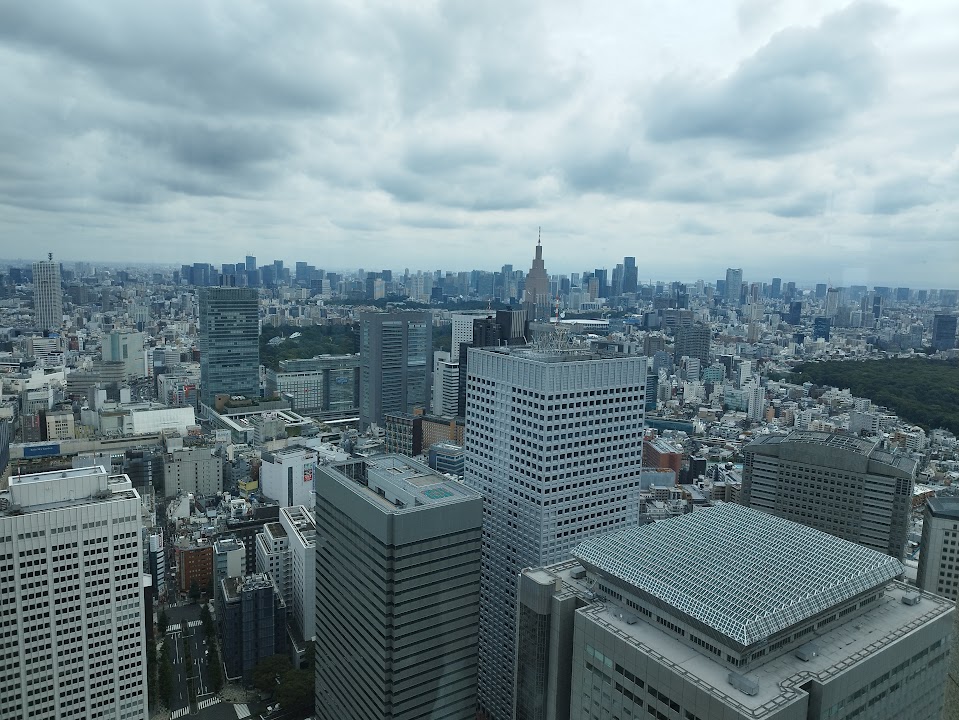
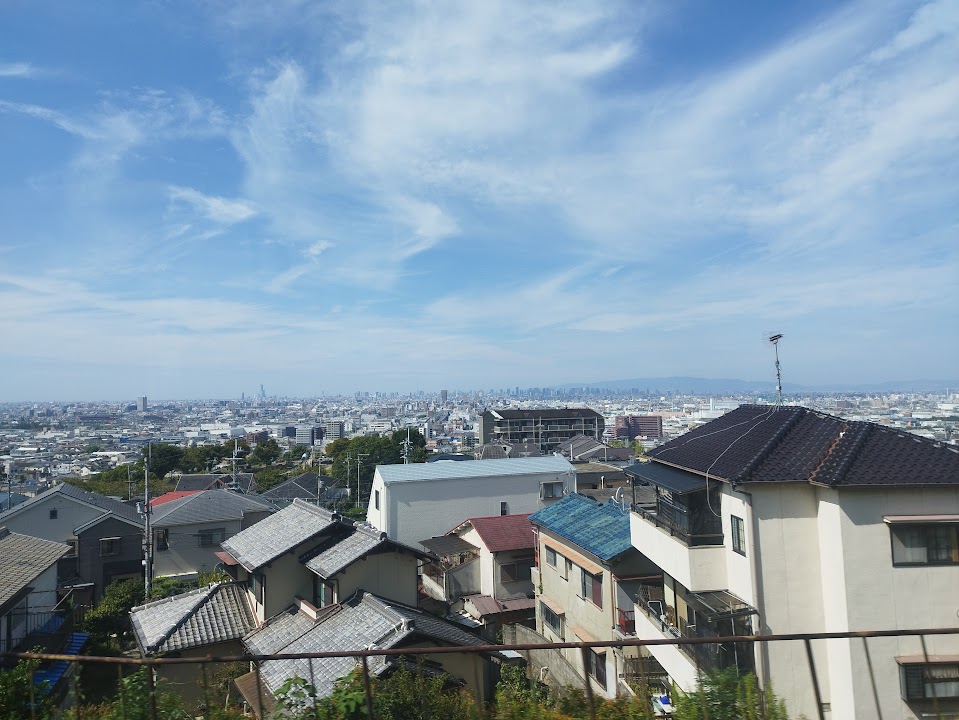
And yet, even with this in mind, I am still guilty of a giddy excitement brought about by the ways its spaces operate and homes look which I have not experienced elsewhere. The intimate streetscapes, compact apartments, tatami mats, sliding doors, and shoji screens all play on the imagination. It requires a concerted effort to appreciate a distinct cultural character without fetishising it. I try my best to do so.
So, let us take a winding tour of the architecture that appears so striking, before delving into the concrete reasons, in particular the laws, that created it in such a way. We can then end on one of the great housing conundrums of our time that this country has been the first to pose and attempt to answer: depopulation.
The 30-year house
Out of all the quirks of Japanese housing, the most striking thing is how it exists in a process of constant renewal. It is an absolutely wild fact that the average house lasts around 30 years. Frankly, many of my dad’s clothes are older than that.
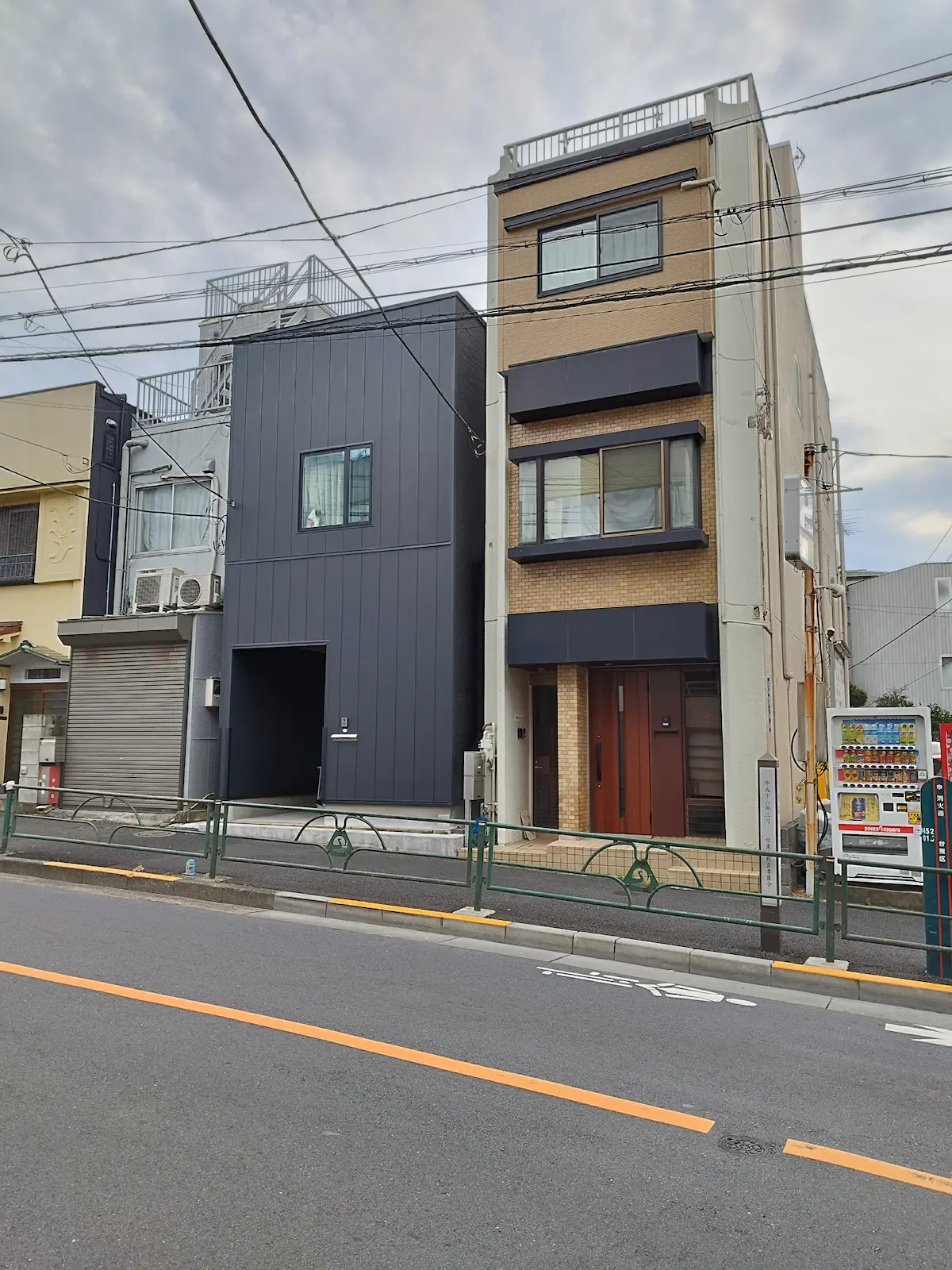
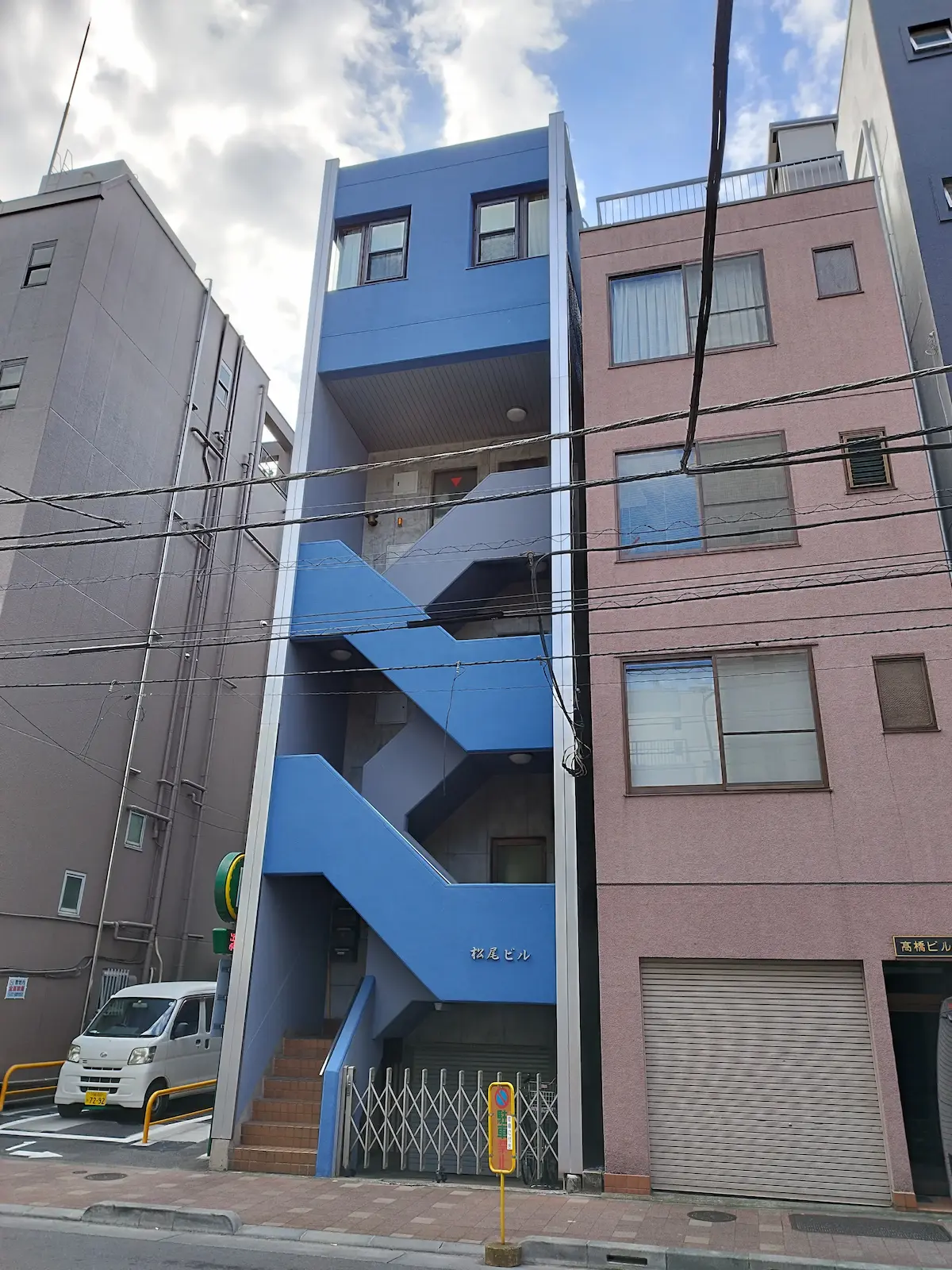
It is a peculiar thing to get your head around when you’ve been raised in the highly preservationist culture of the UK, where we seem almost fanatical about keeping things as they are (just have a look at our planning and appeal system for example). The reason for this in Japan, I am told, is that people generally prize and pursue all things modern. Most prospective buyers are looking for a vacant plot of land; few will buy a house that shows signs of wear, or if they do, it is to acquire the land rather than the house which they will demolish. Because of this, houses often depreciate in value as soon as they are built. They therefore tend to be made from less enduring materials in order to be easily knocked down, with a lot having wooden structures. But these will simultaneously be kitted out with the most up-to-date technology.
This impermanence is very understandable in a country that since its founding has repeatedly faced destructive earthquakes, typhoons, and a variety of other natural and unnatural disasters. A trip to Hiroshima especially hammers home the deeply embedded sense of fragility and ephemerality of all things. But long before that its domestic architecture reflected an impermanent state.
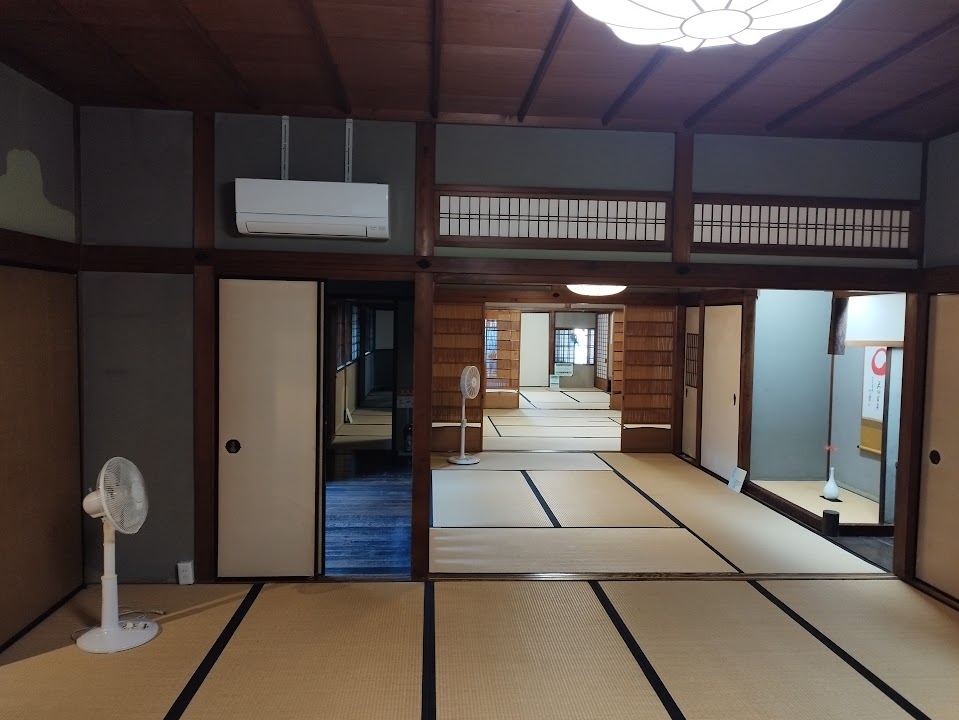
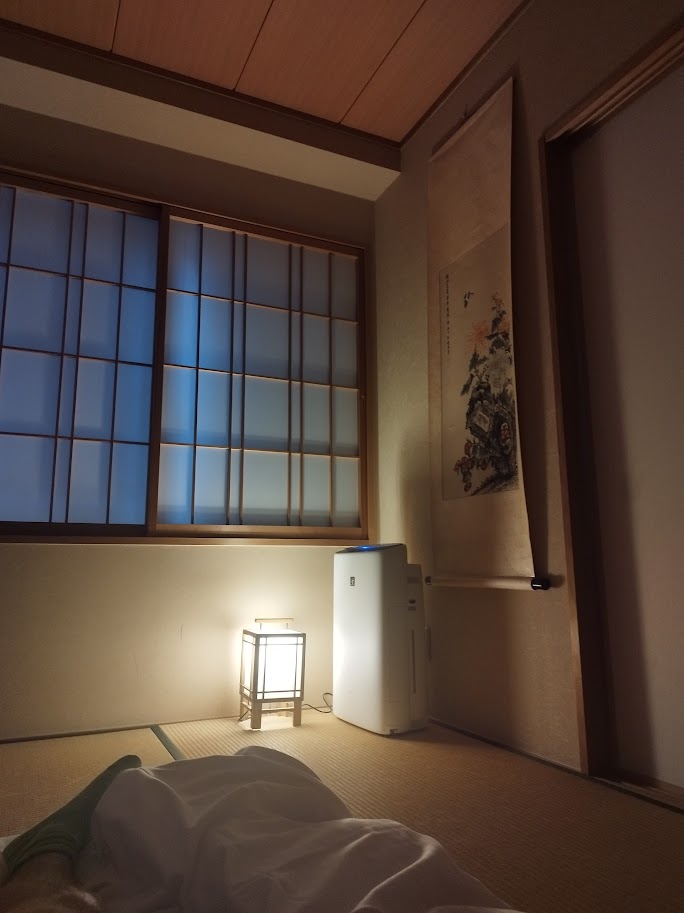
Traditional Japanese homes feature interior walls that can slide open to double the size of a room. At night, futons are fetched from sliding cupboards in the wall and then returned in the morning to clear floor space for daytime uses. In different seasons external walls are switched out: the paper shoji screens which are used in winter are replaced by reeds for the summer, to block the sun and allow wind to flow through the gaps. Then in autumn the screens are switched again, with new paper applied ready for winter. On top of that, decorative features like the scrolls in internal alcoves and flower arrangements in entrances are tailored to evoke different times of the year.
Spaces which are in constant flux permeate into all forms of Japanese architecture. The most famous example is the Ise Jingu Shrine which undergoes a ritual rebuilding every 20 years. A new shrine is built on an adjacent site to the current one, after which the old one is taken apart in a process called Shikinen Sengu. The shrine is therefore perpetually new as it alternates between its two sites but at the same time retains a long-lasting tradition that has lasted over 1,300 years. Architecture therefore becomes a process of renewal rather than just an object, with knowledge, craftsmanship, and ritual becoming the things that endure rather than the physical building.
The constant rebuilding of homes admittedly doesn’t seem great from an ESG angle, and it will be interesting to see how that might change as the sustainability agenda gains momentum. But what it does do is embed a flexibility and openness to change that I think we can learn a lot from in Europe. It grants people a freedom to remake their cities more to fit their needs and aspirations.
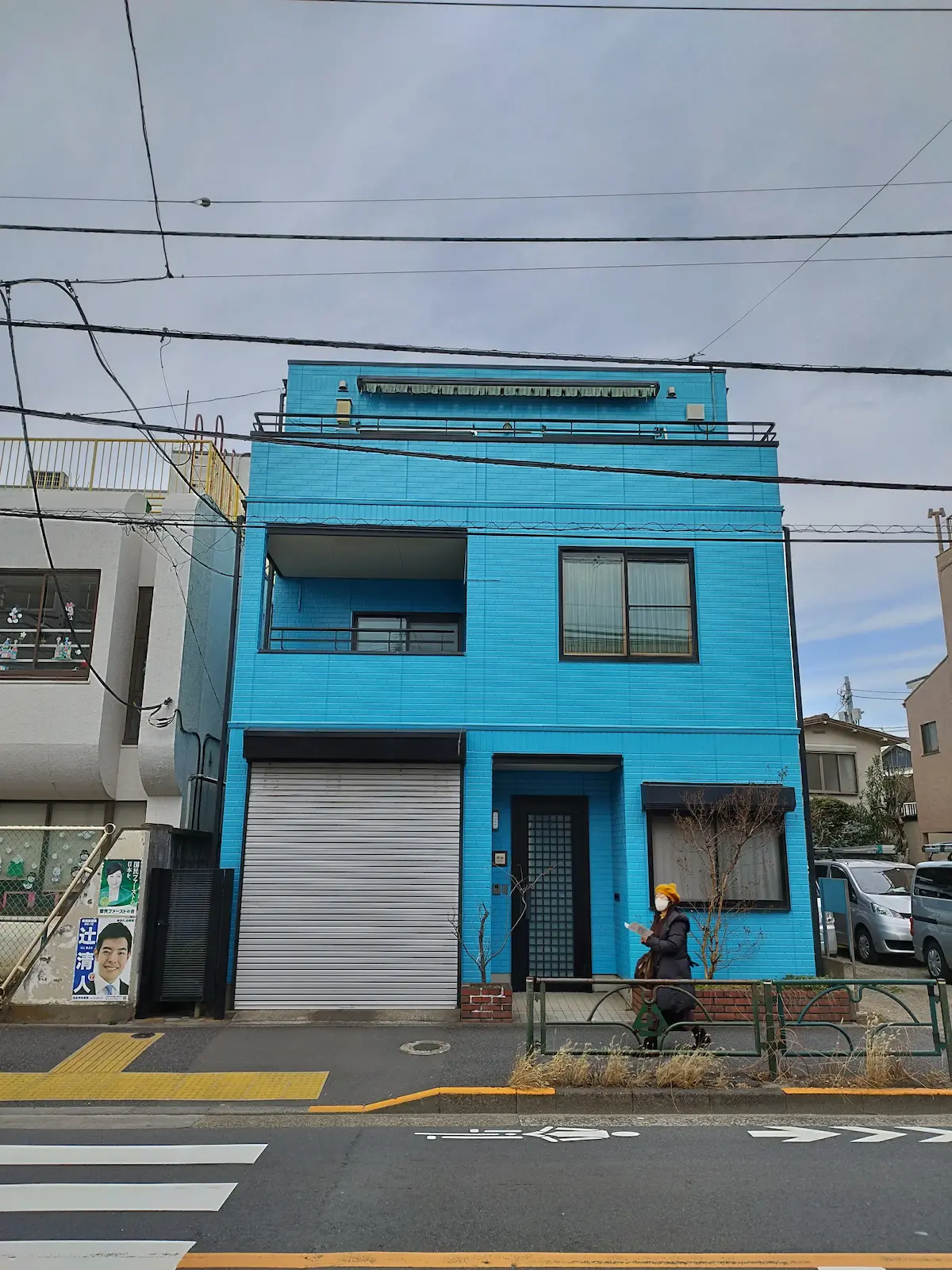
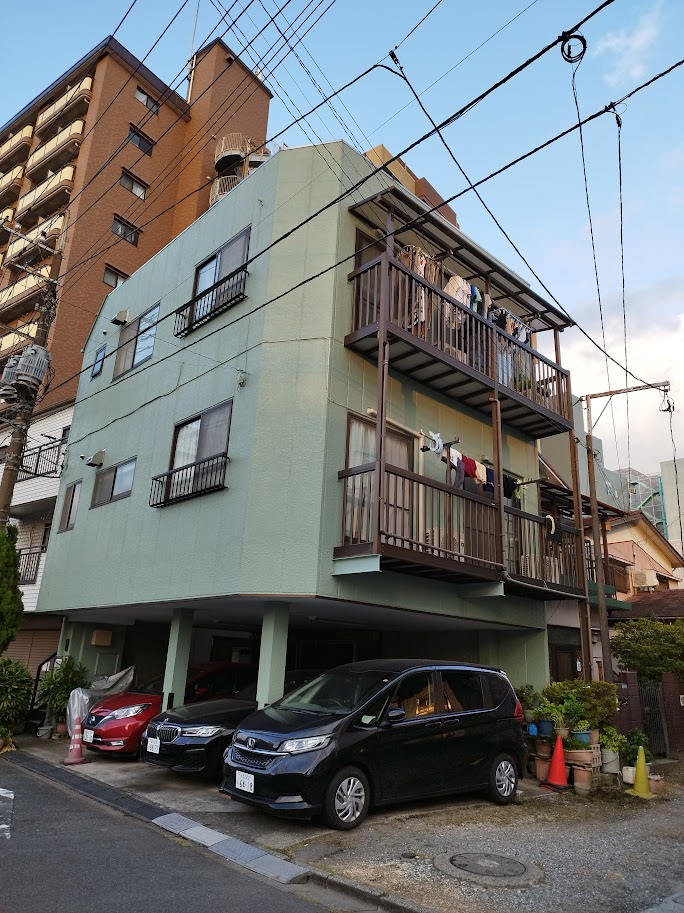
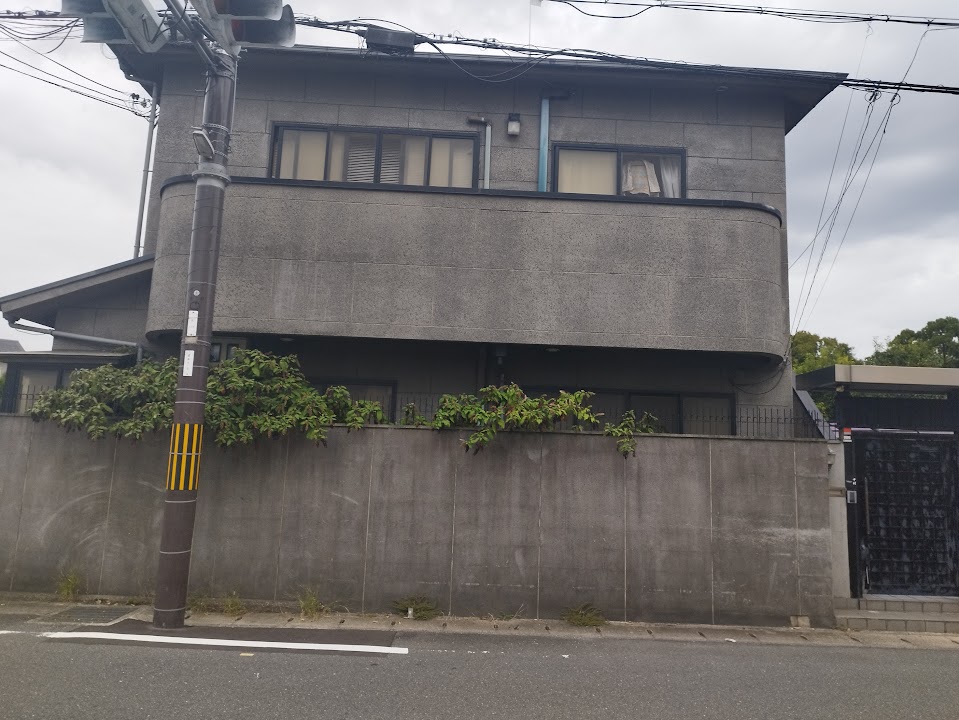
Because of this Japan is an absolute dream for experimental architects. The country has strict planning laws when it comes to homes themselves, but there aren’t any that require a new development to be in keeping with a prescriptive local aesthetic. There are some exceptions, like in parts of Kyoto which require homes to have hipped roofs and muted colour schemes, but in general there are no official style guidelines. This allows a wild west of architectural styles that make for a fun game of trying to name (see image captions).
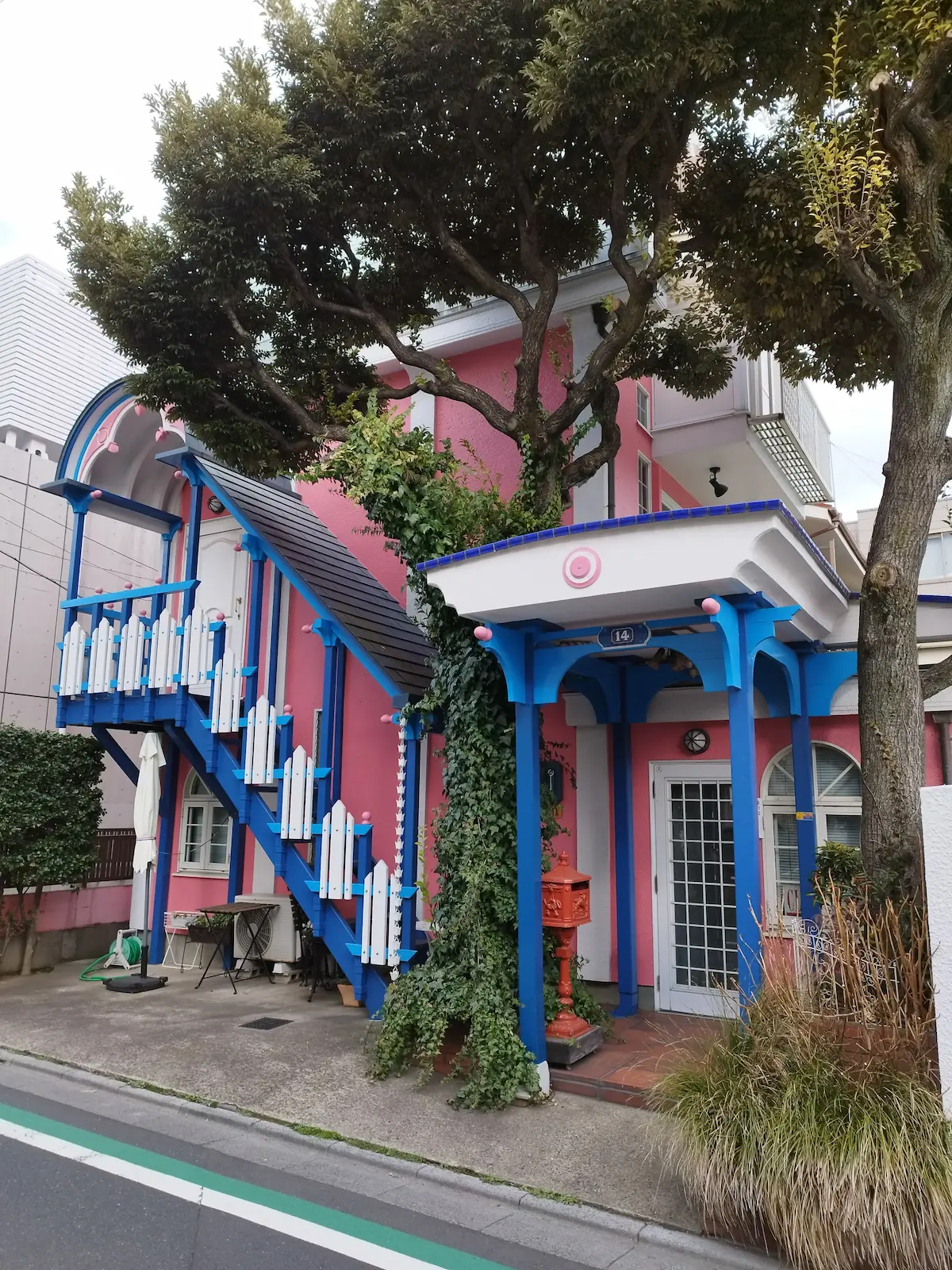
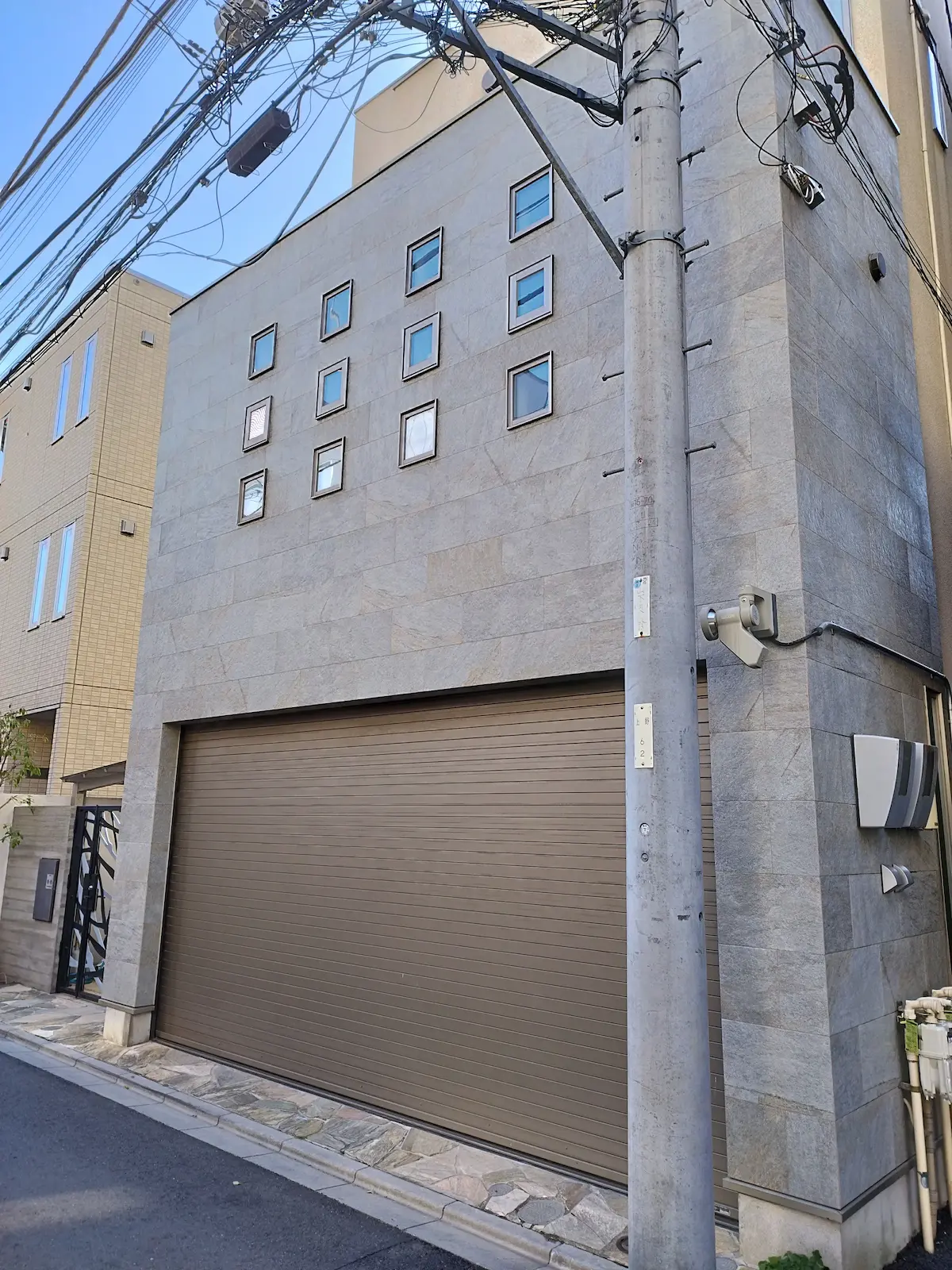
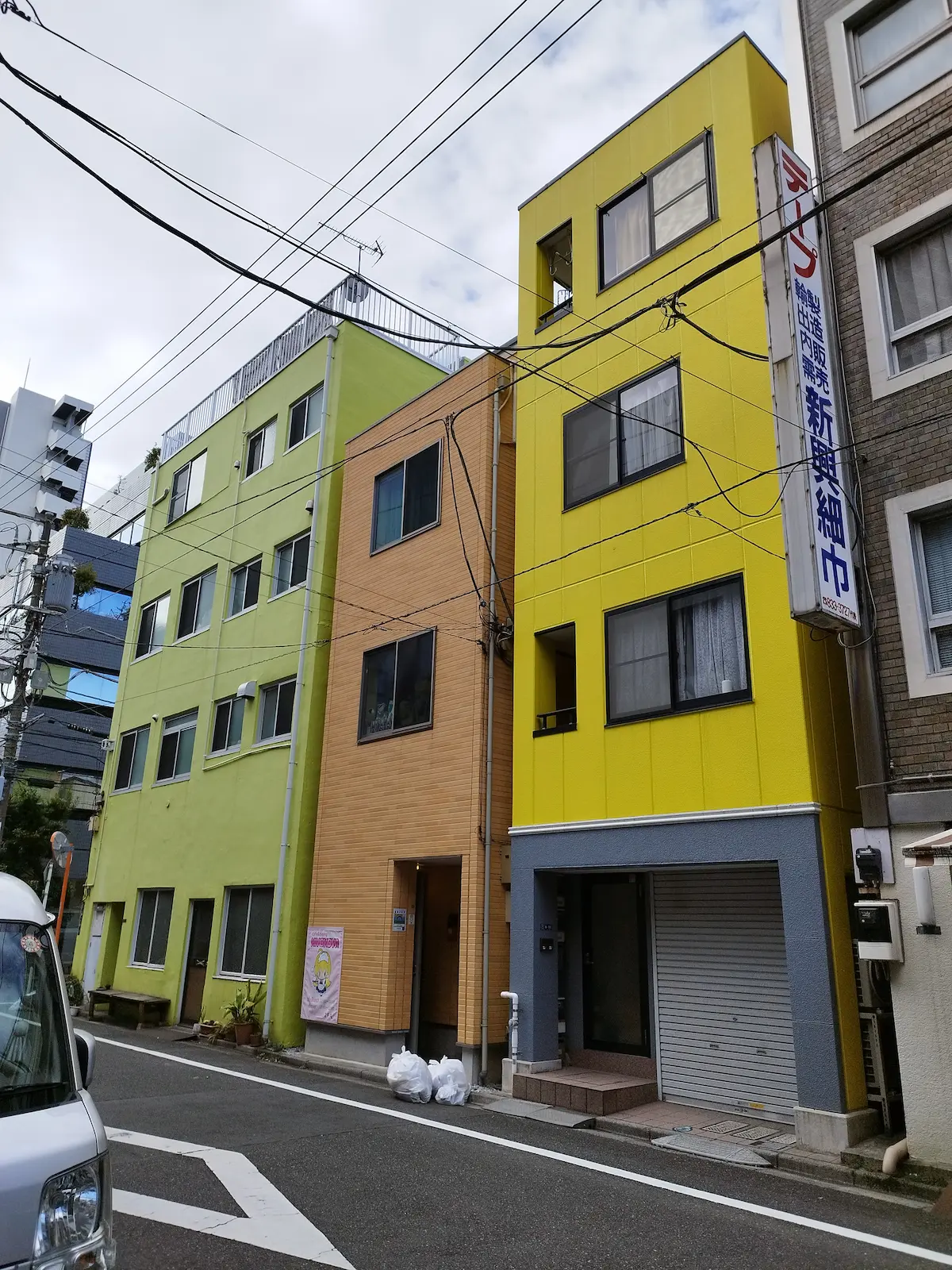
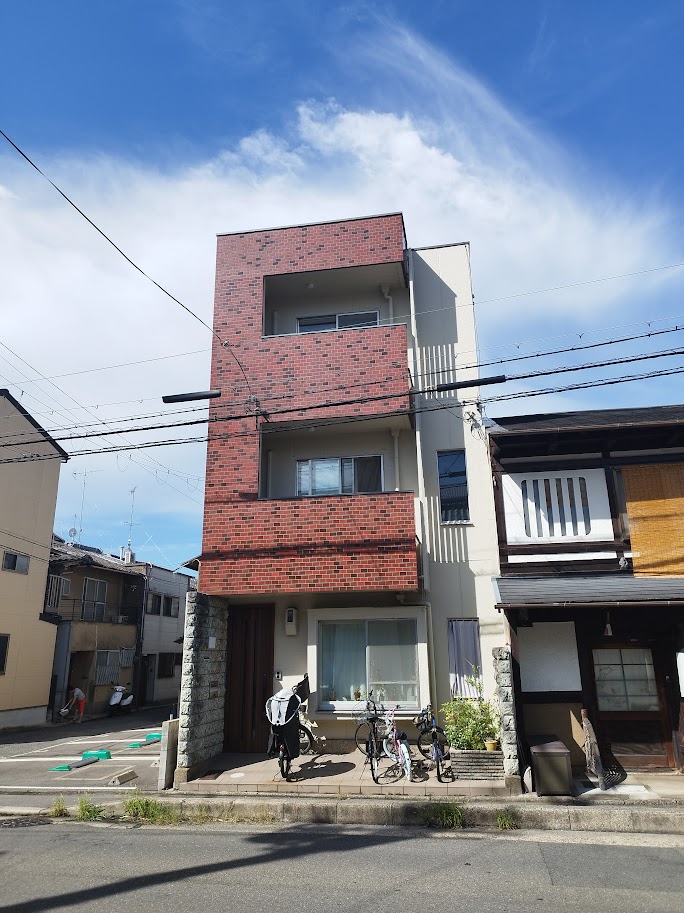
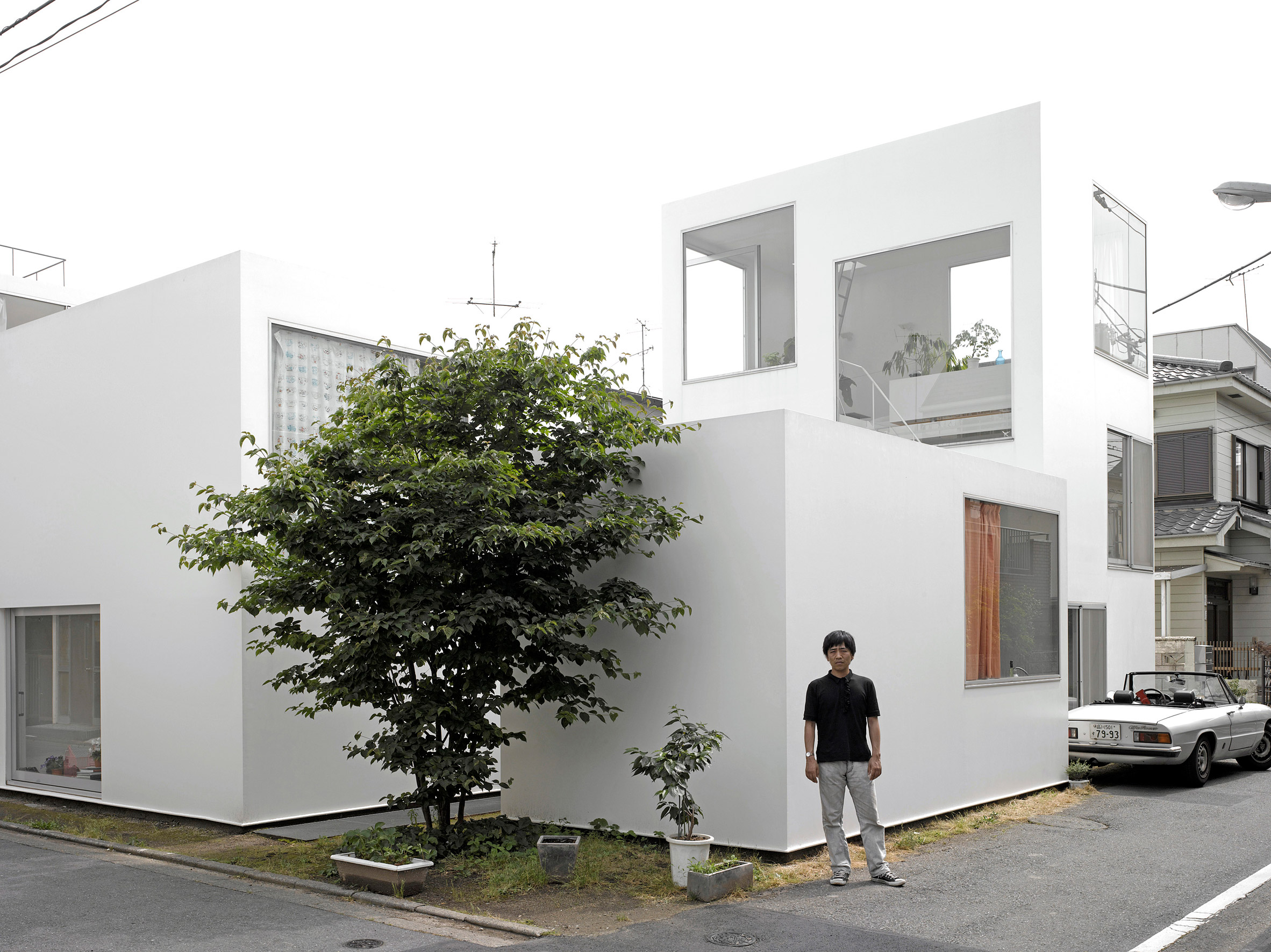
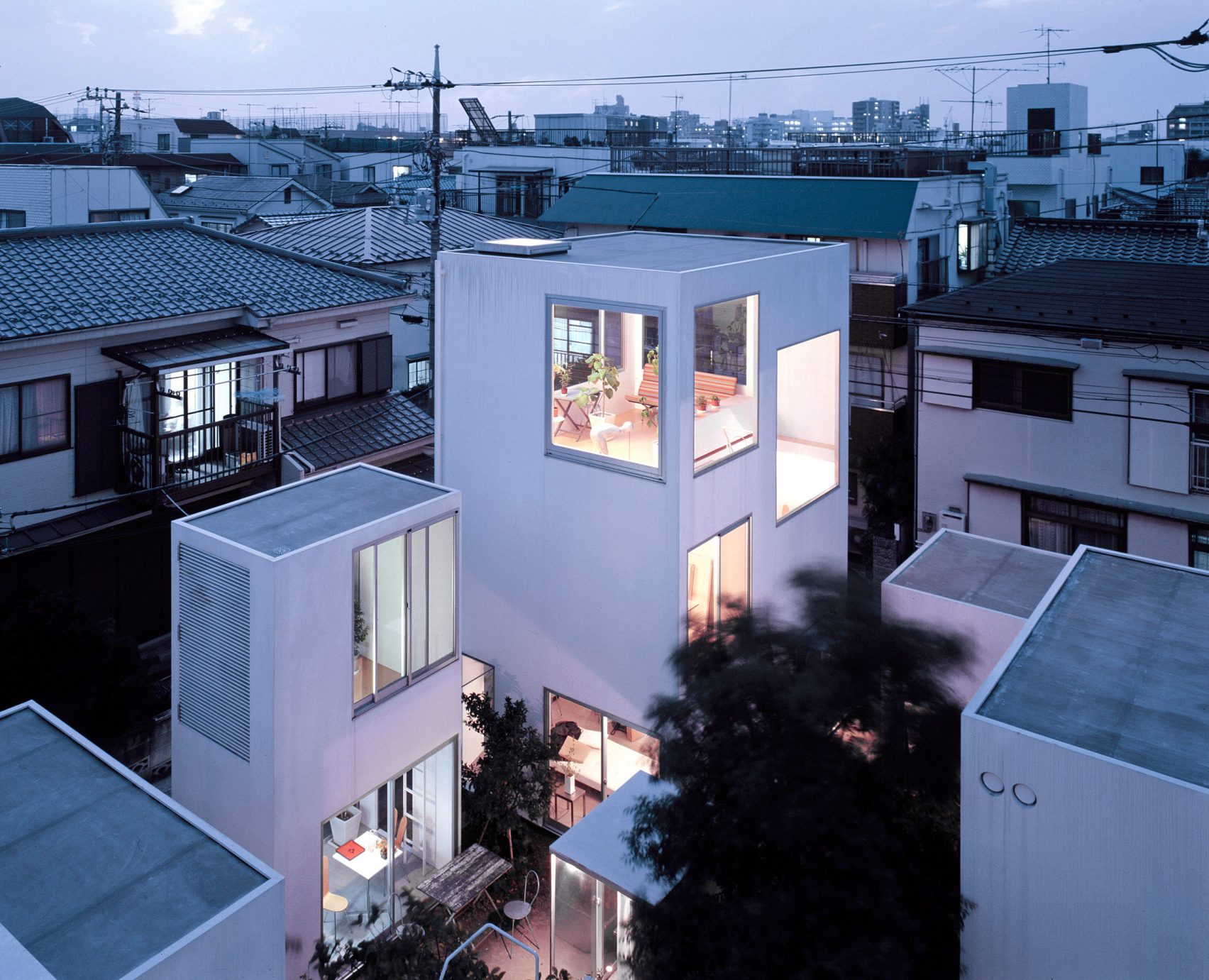
That normal people can let their tastes and eccentricities run riot as they make their homes is clear across the country. One of the most compelling examples is the Moriyama House in a Tokyo suburb, which consists of 10 non-hierarchical blocks of different heights and sizes that are stitched together with tiny gardens. It is like living in a microcosm of a city but as a house. I highly recommend the brilliant documentary by Ila Bêka and Louise Lemoine that follows the owner’s daily life. Rather than turning in on itself and fencing the world out, it turns its face firmly towards the neighbourhood. While it wouldn’t suit everyone, it does suggest an important point as noted by Oliver Wainwright in his review of the project: ‘Nor does it appear, in the Japanese architectural imagination, that there are any limits to what a dwelling can be.’
The options to experiment reinforce a deep importance of design in Japanese culture that few other places can match. I am looking forward to being proved wrong as I continue my tour around the world, but currently I am of the opinion that nowhere else shows a culture oriented around and showing a widespread reverence for design among its population in the same way as Japan and one other place: Denmark. Especially in the UK, in spite of our architectural institutions, design often comes as an afterthought or is relegated to secondary importance to cold hard economics and pragmatism. This is not to say that the three cannot complement each other, but that we often perceive them to be components in a trade off in difficult decision making where certain parts are much more likely to be tossed upon the sacrificial pyre of the ‘greater good’ than others.
The tatami grid
So how did Japan get to its current culture of construction and what defines its homes? Tatami is arguably the core of Japanese residential buildings. It is a floor covering woven from straw and most homes will include a room which features it. And indeed, for anyone who has stayed in one of the rooms the unmistakable earthy smell of the straw etches itself in the mind. Its origins stem from a time when straw was spread over bare earth to provide comfort, which evolved into a portable throw mat that could be placed down where needed. It then became a permanent covering for a whole room and even the entire internal spaces of a home. Any visitor will be familiar with the genkan, the traditional entranceway/doormat where one leaves their shoes before stepping onto the tatami straw. I find it a lovely ritual of separating the public outside and private inside realm, and I’m charmed by the explanation offered by art historian Shuji Takashina that ‘rather than say the Japanese use the floor for a bed…it might be more accurate to say that they use [the] bed for a home.’
Tatami is also critical in the foundation of another cornerstone of the Japanese built environment: modularity. Based on its aligned dimensions, it helps create a standardised and scalable form of building. The original intention was that one tatami could accommodate a person lying down, with a typical size now of 90cm wide and 180cm long. These can be arranged exactly into a variety of rectangular shapes that determine the size of a room, ranging from 3 tatami to 9 and above. Although, as with any attempt to make a universal truth, the reality is messier. I was delighted to discover that tatami sizes are slightly different across the country, representing the comparative availability in certain places. In Kyoto they are slightly larger at 96 x 191cm, while in the more densely populated Tokyo they are slightly smaller at 88 x 176cm. What is standardised is usually never as standard as it would seem.
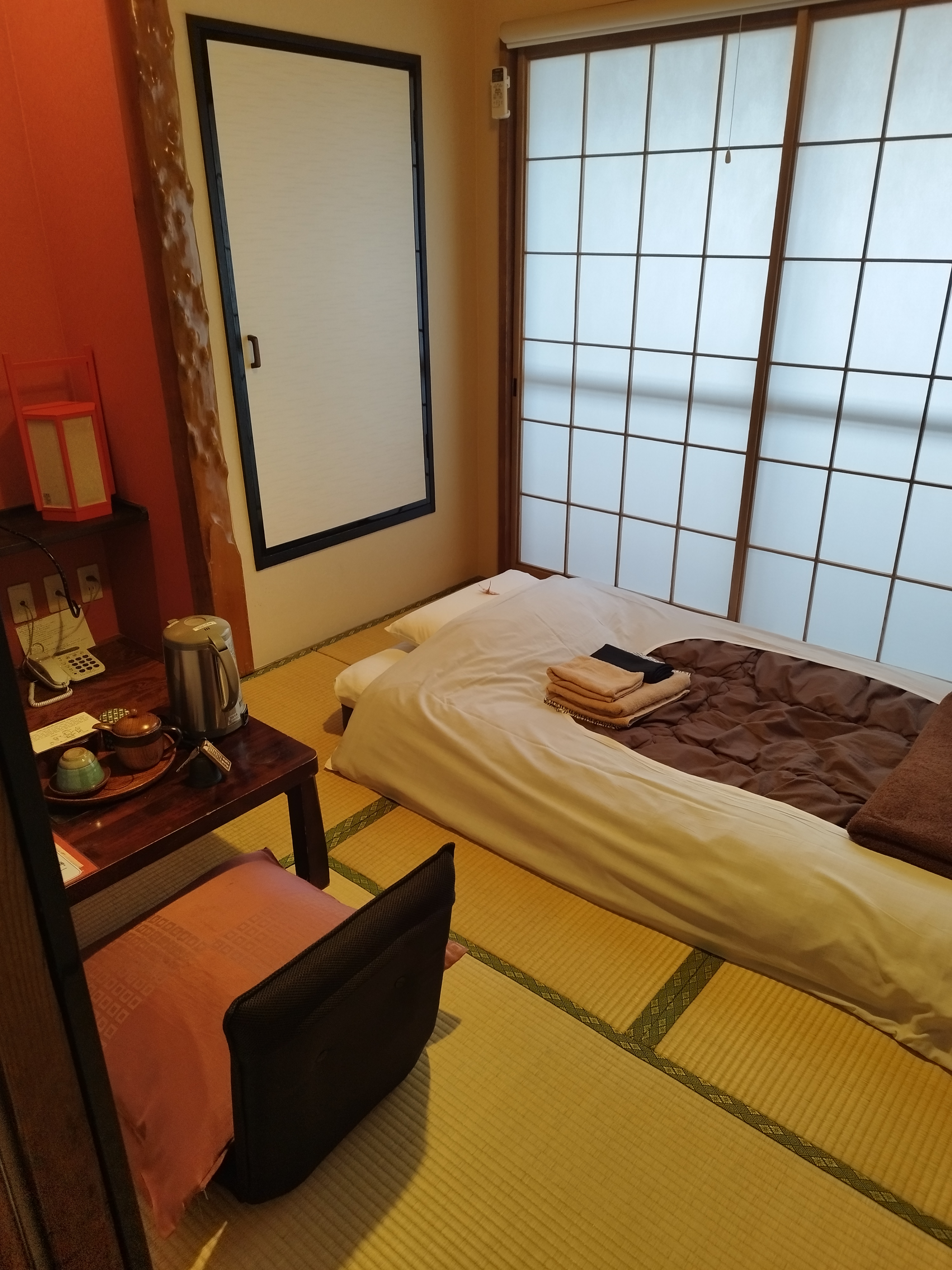
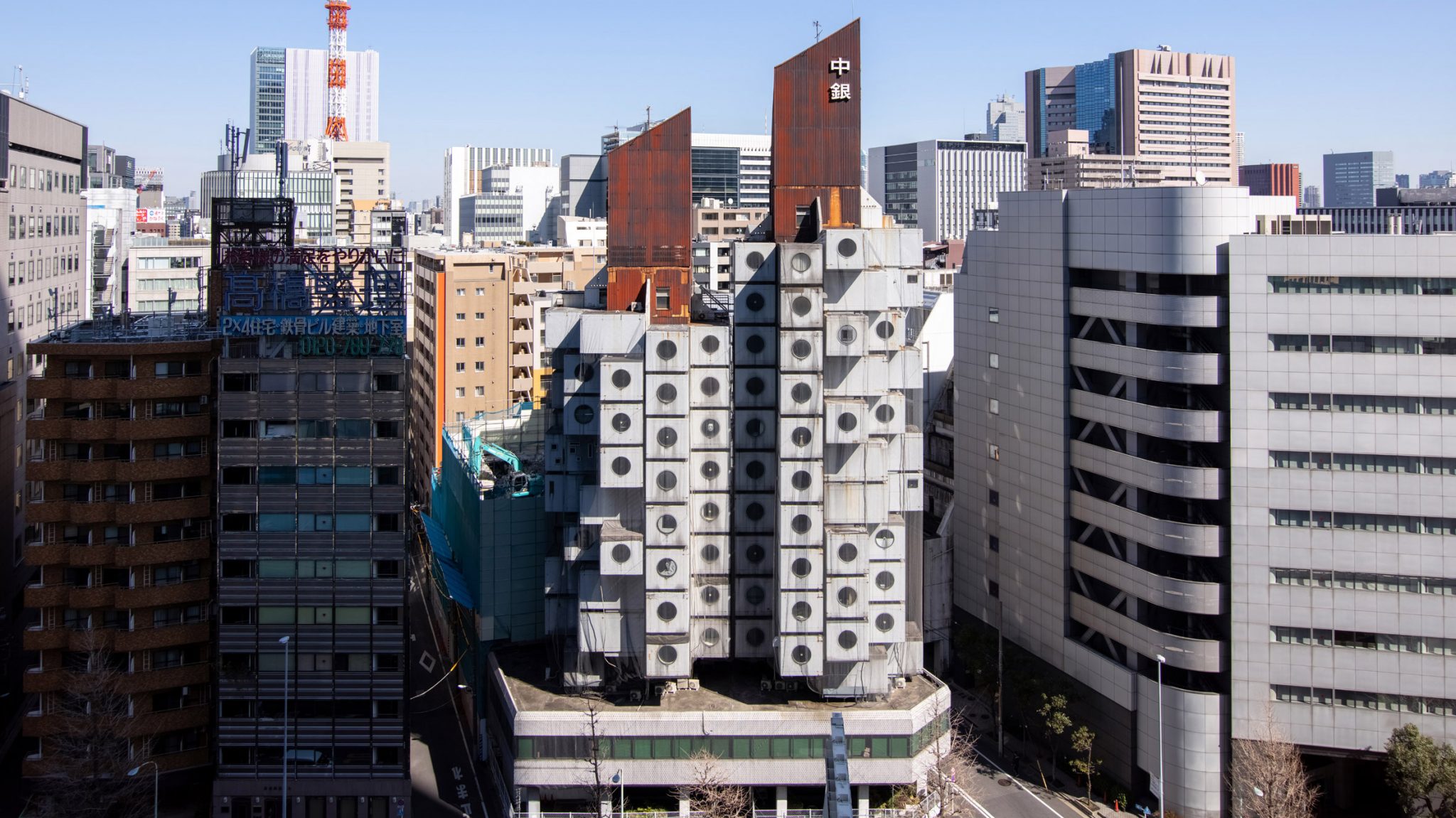
Even so, what I find interesting about this is that it provides a logic to regulate spaces from the very small to the largest of homes. I think especially of the modern equivalents of the single tatami that Japan pioneered, including the world’s first capsule hotel in Osaka as well as the now deconstructed Nakagin capsule tower. But this modularity also extends across the sizes and proportions of Japanese homes as street frontages as multiples of different tatami arrangements.
It is most apparent in the contemporary use of tsubo, a traditional unit of area measurement that still dominates real estate listings, building regulations, and construction pricing quotes today. One tsubo is the equivalent of two tatami mats placed together, creating an area of 3.3 square metres or 35.6 square feet. A small studio flat might be around 10 tsubo. It feels especially useful as a defined area like this feels much easier to visualise and contextualise compared to abstract square footage. I’d struggle to tell you what a 100 square foot room would feel like, but six tatami placed together feels much more tangible. A ‘banana for scale’ really does help…
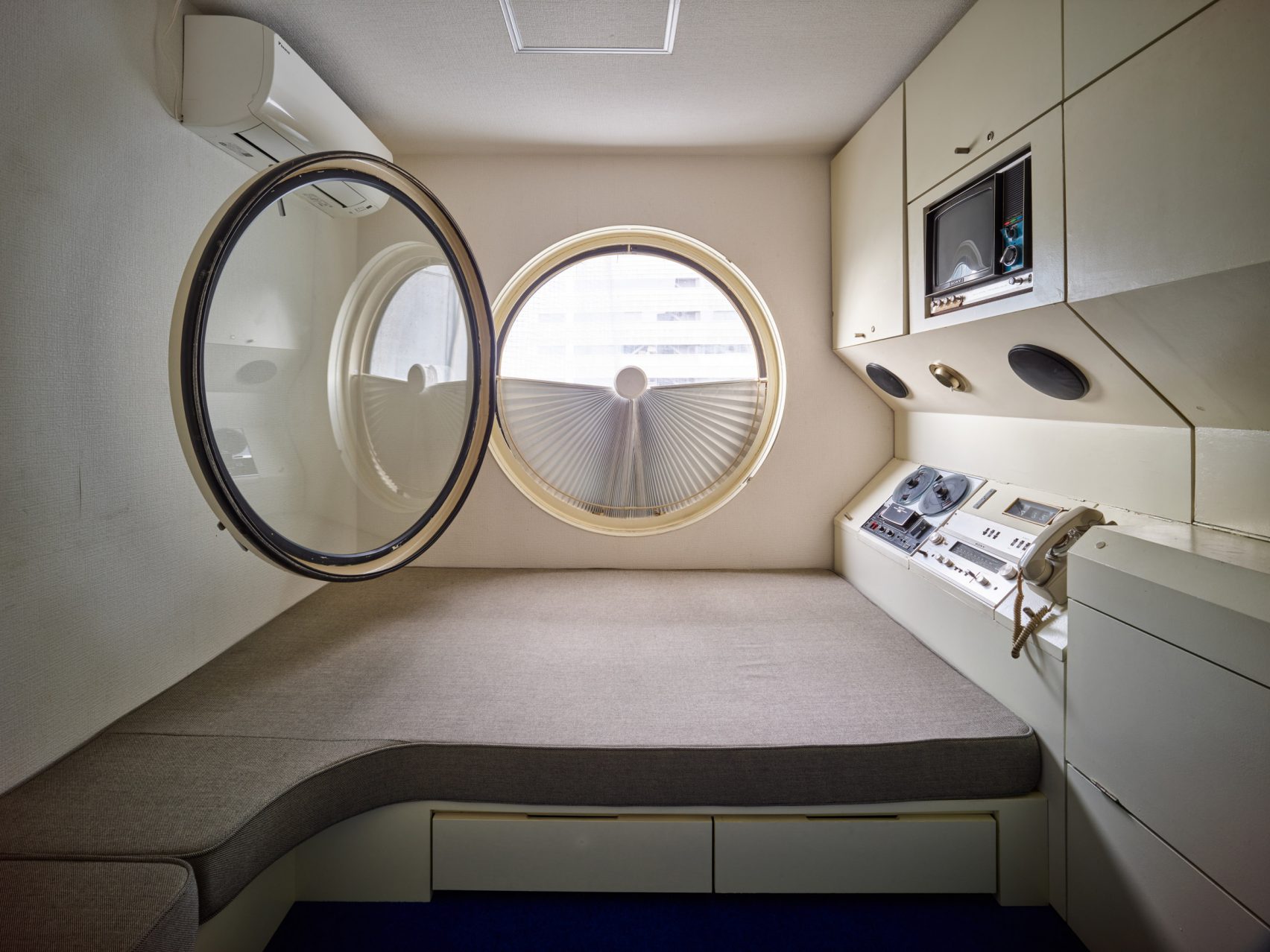
The modularity of construction is deeply embedded in the culture, but has had a variety of manifestations. The nLDK model in the post Second World War period is particularly interesting. This acronym signifies the number of bedrooms plus living, dining, and kitchen areas. For example 2LDK would signify a 2-bedroom home. The Government’s drive to house a growing population and improve living conditions brought about a new way of living. Previously, extended families had lived under one roof, with multipurpose rooms that could be adapted to various uses. This then pivoted to a focus on the nuclear family and a more westernised notion of specialised rooms. In spite of the pivot, both represent the same modular compulsion to fit together a larger structure from a pre-defined and repeatable baseline. Once you obtain your plot of land you can sit down with a house building company such as Sekisui House, Daiwa House, or Mitsui Fudosan, to select a prefabricated model or design from a catalogue, giving you the comfort of a fixed price and clear expectations of a final product.
For me, both ‘off the shelf’ modular homes and crazy bespoke designs are two sides of the same coin. They enable people to make more conscious and personal decisions about the kinds of homes they want to live in and the way they want to live. Instead of choosing from a pre-defined product already fixed in space, they can define the domestic space from the ground up rather than have to adapt at significant extra cost of an already expensive asset. Flexibility and adaptability are becoming increasingly important in our cities where resources and space itself are becoming much scarcer. We need more systems which allow us to better adjust our dwellings to our changing needs over time.
Thou shalt scrap and build
We have meandered through the manifestations of Japanese housing and some rationales behind them. What I find especially interesting is how rationales that derive from socio-cultural or practical concerns come to be solidified and reinforced in law. This creates a positive feedback mechanism that further entranches them as new generations are accustomed to building and living in a certain way. It also creates iconic aesthetics that determine the associations considered by external viewers.
Quirks of law and architecture have a long history in Japan, all the way back to the iconic Machiya merchant townhouses of Kyoto. As with the infamous window tax of the UK, the invisible hand of the exchequer and form following fiscal policy was notable in the frontage tax which applied to the width of your house facing the street. The response to this was incredibly narrow homes of around four to six metres wide but stretching long and deep behind it. These homes became known as Unagi no Nedoko or ‘Eels’ beds’ because of their shape. The wooden lattices of the entrances are instantly recognisable, creating semi-permeable barriers that strike a lovely balance between being welcoming and retaining internal privacy. My favourite part about them are the internal courtyards within them called Tsuboniwa, providing ventilation and private outdoor space within the hemmed in buildings (I am an absolute sucker for courtyard houses. The Cockaigne houses in Hatfield is an exquisite example in the UK).
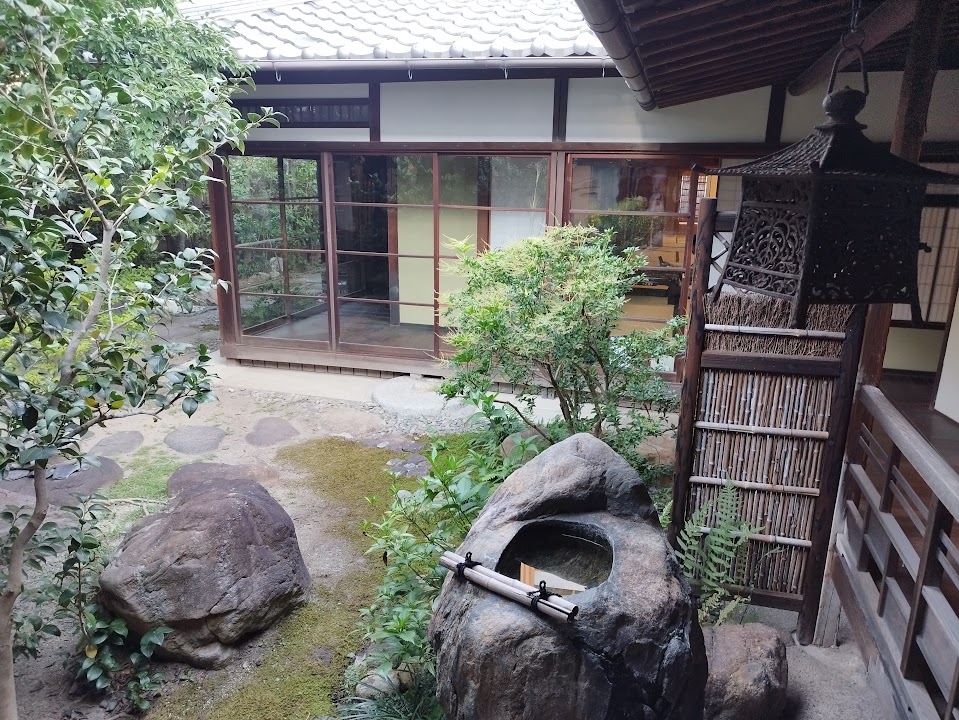
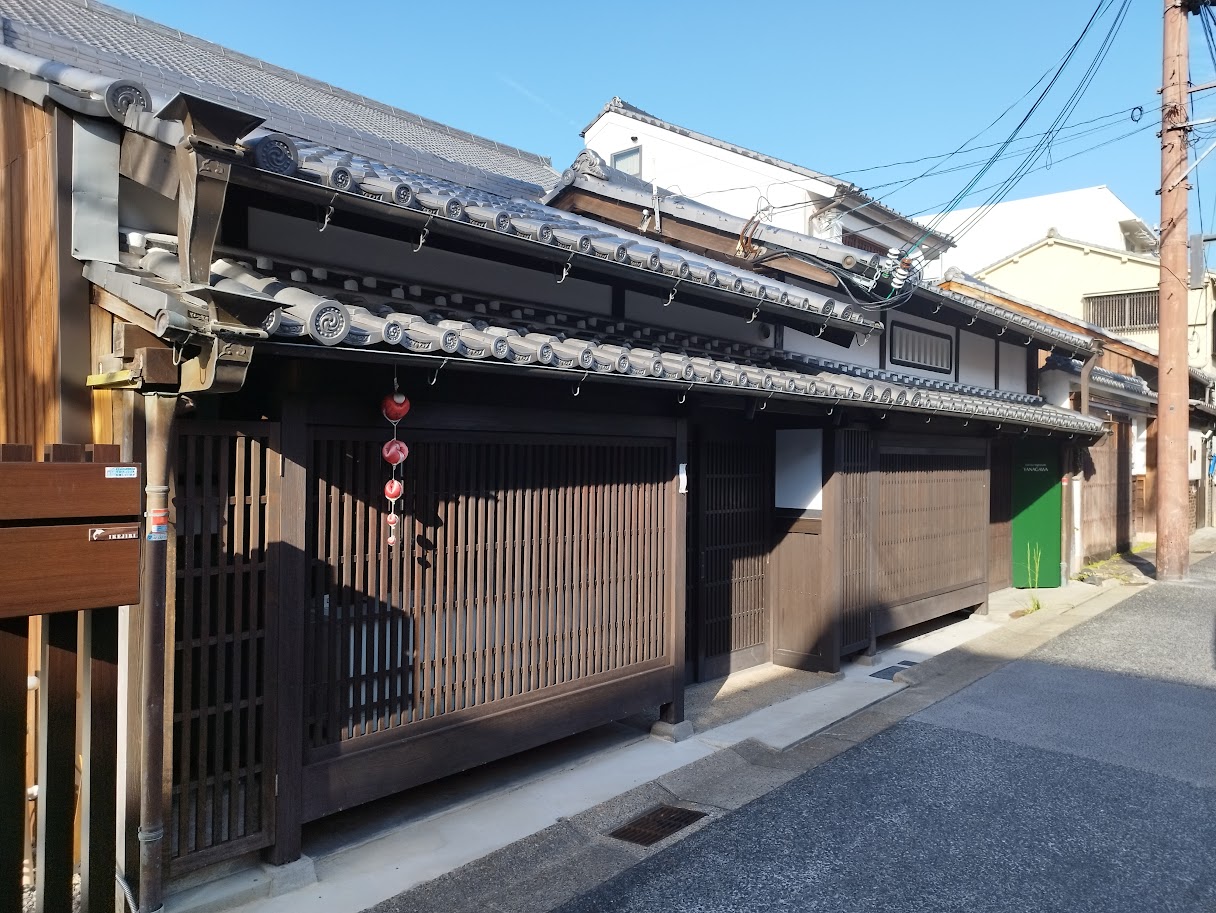
The only thing more interesting than an architectural feature defined by tax law is an architectural feature defined by tax law that is actually a myth. Hako Kaidan (box staircases) are a combination of stairs and cabinet that provide access to a second storey but also can be easily moved. It has been suggested they were made in response to a tax during the Edo period which applied to functional floor space or that second storeys were illegal. Supposedly, removable stairs meant the second floor would be rendered unfunctional upon inspection and so the inhabitants could avoid any repercussions. The reality is more prosaic, with the cabinet providing an efficient use of space in narrow buildings that maximises floor area and allows the more private upstairs space to be sealed off. This is combined with laws that restricted the ostentatious display of wealth in these kinds of homes and limited the frontage to two floors. But I love when something spatial gets mythologised to the point of becoming a cultural perception, even when it's false.
Historic examples aside, modern laws have clear impacts on housing behaviour. For example, the temporariness of Japanese houses is equally enshrined in law as it is in any cultural aspect. The country levies inheritance taxes so aggressive, topping out at 55% with relatively few exemptions, that those who inherit often have to sell off some of or even all of their own land in order to afford them. When this happens the plots are usually subdivided into as many mini-lots as the law will allow, resulting in very small and peculiarly shaped parcels. Indeed, the average house size is just 100 square metres, or 1,075 square feet, a direct product of these ever shrinking plots.
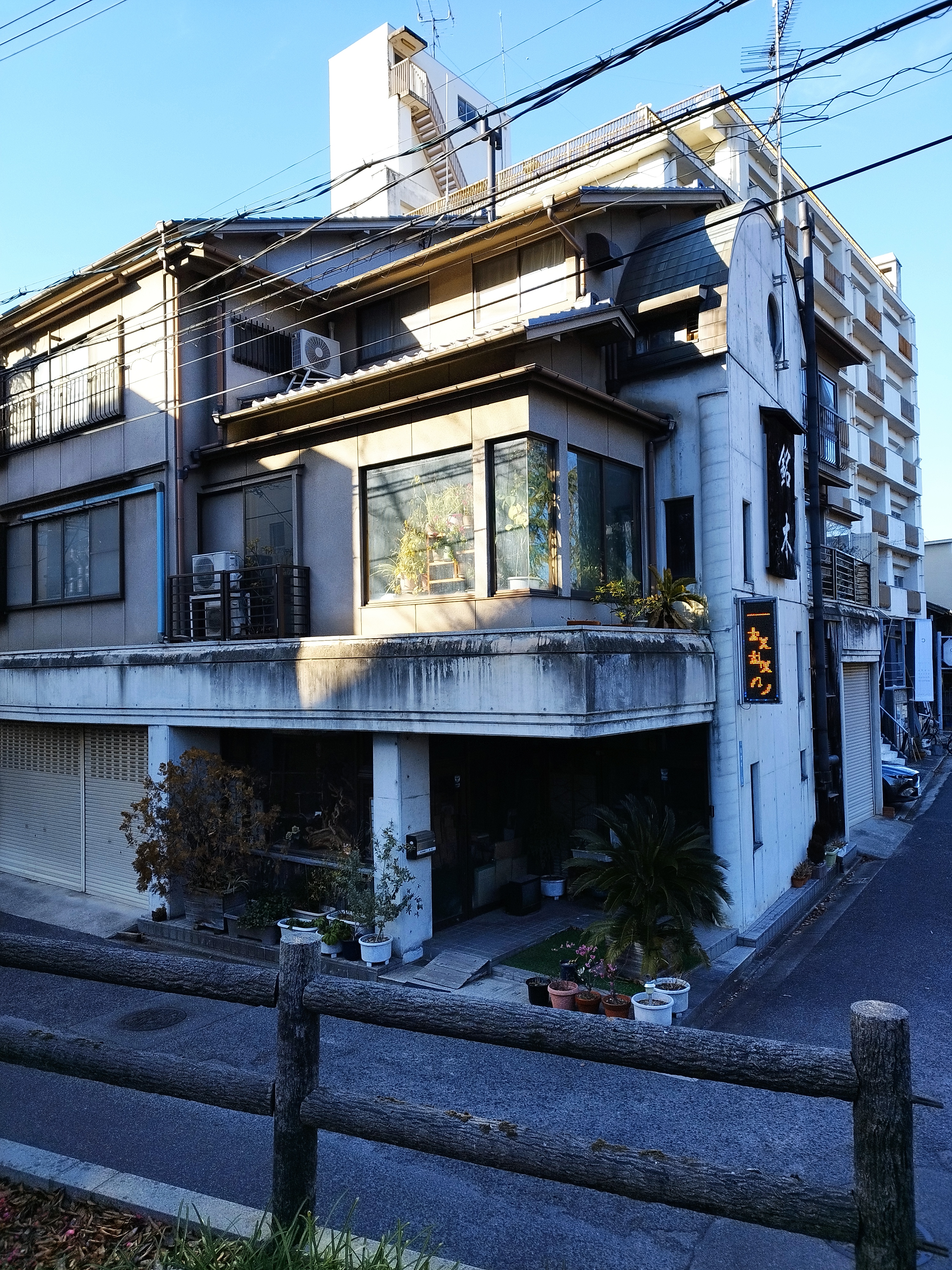
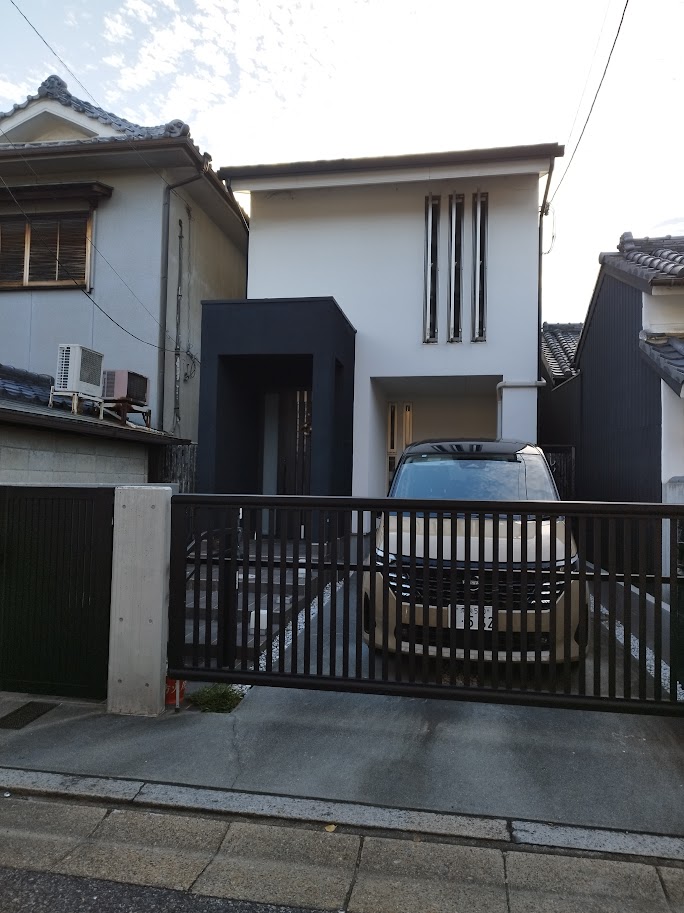
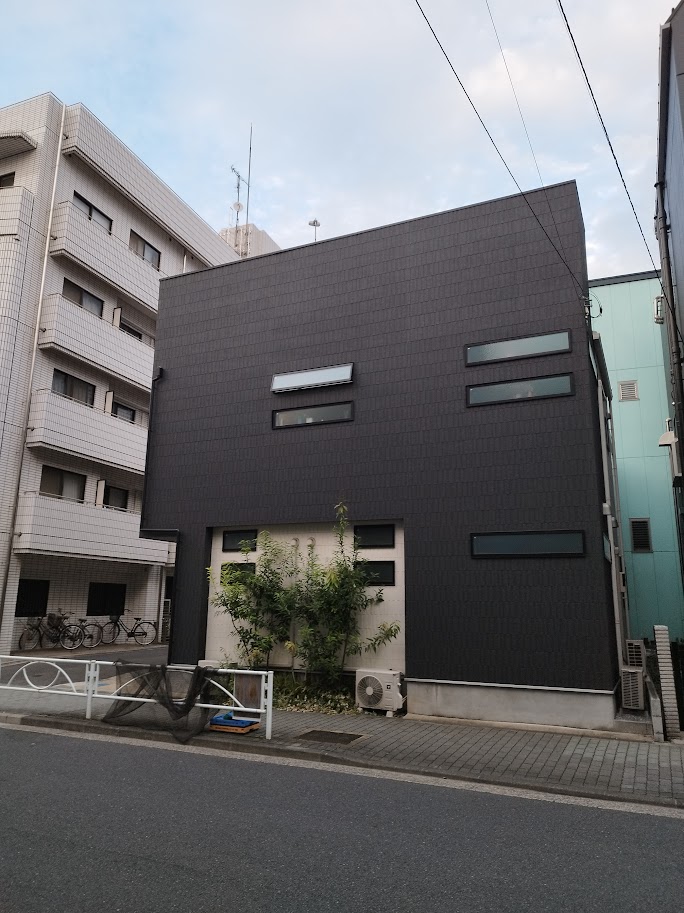
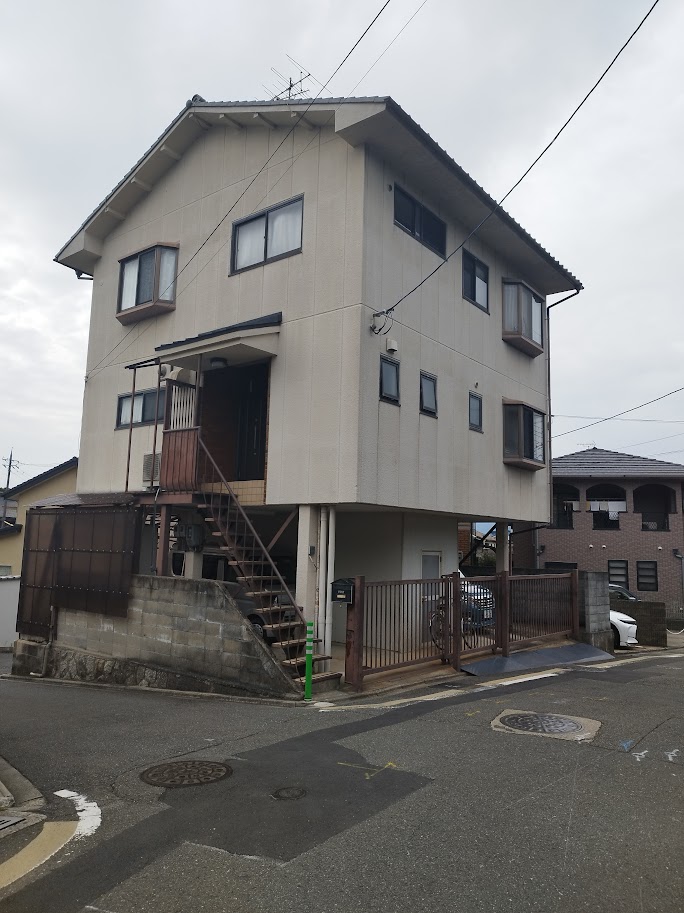
The 1981 updates to earthquake resistance standards (Shin-Taishin) reinforced this ephemerality. A devastating earthquake in 1978 in Miyagi led to the government mandating that a building must be able to withstand a magnitude 6 or 7 earthquake without collapsing. Because of this, banks are very reluctant to lend on older buildings that do not meet this standard, making them almost unmortgageable. This further encouraged the disposability of homes, with values dropping close to zero after 30 years. While the house itself depreciates, the land certainly does not, and so can be packaged up and used in other forms for much higher values, entrenching increasingly smaller plots.
Significant tax incentives have also existed for purchasing new homes rather than existing ones. The Housing Loan Tax Deduction policy allows buyers to deduct 0.7% of their home loan balance at the end of the year from their income tax. The deduction period for newly built housing is 13 years, compared to 10 for second-hand properties, making it a more attractive proposition. The registration and license tax for the purchase of a home offers further incentives, with new homes being around 0.3% while existing properties are around 2% of property value. On top of that, the annual fixed asset tax on the building, about 2% of the value, is provided with a 50% discount for 3 to 5 years for new homes. Buyers have been pretty much incentivised at every turn to scrap and build rather than take on an existing structure.
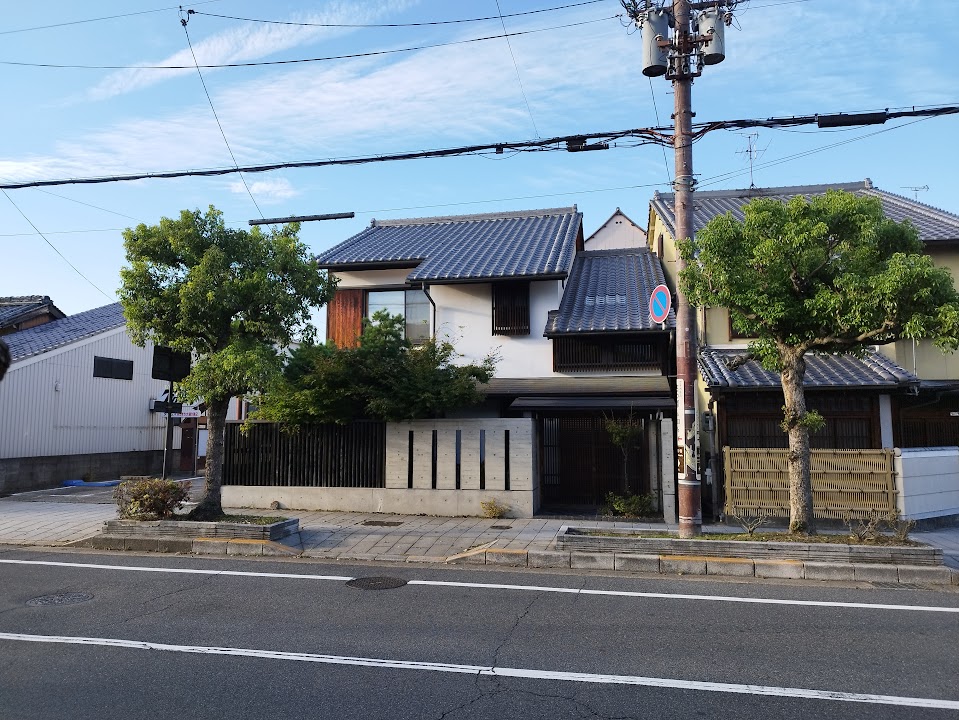
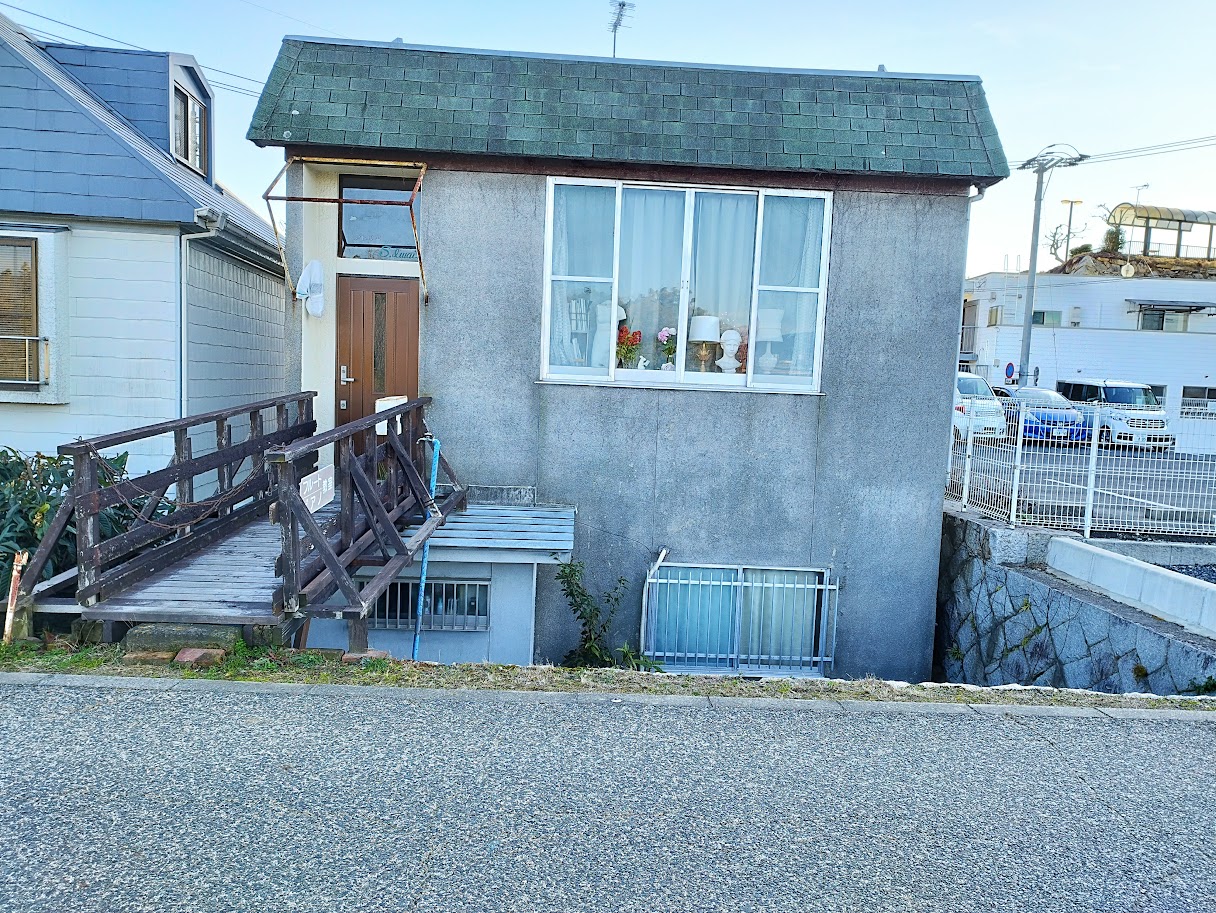
When someone comes to actually build the house, they are faced with a host of laws that will bend, contort, and slice the appearance of their homes into the weird and wonderful designs evident across any normal neighbourhood. The legal restrictions with the greatest influence on Japanese house designs are arguably the sunshine laws, or Constraints/Nissho-ken. These are like the UK’s ‘Right to Light’ but on steroids, limiting the daily amount of shadow cast by buildings to guarantee that warm rays reach the street level for at least a couple of hours on even the shortest days of the year. Architects are forced to make complicated calculations of an ungainly amalgam of angled planes that allow a permitted volume on a development plot, using the winter solstice as the key benchmark. If a proposed structure casts a shadow for more than an allocated time on a neighbouring property, it won’t be permitted. The result is lots of diagonal shaved roofs and jagged balconies, designed in such a way so that one’s neighbour can adequately dry their socks.
Practical considerations are also evident in the fire laws, with homes not allowed to be connected to one another. In a country that made their buildings primarily out of wood and paper for so many years, it is easy to understand why. Tokyo was referred to as the ‘City of Fires’ in the Edo period, with blazes so common they were nicknamed the ‘Flowers of Edo’ (Edo being the former name of Tokyo). Homes must be stepped back from each other with a distance between them.
To get the most out of the small plots, homes are therefore built up as close to each other as possible without touching. This sets the canvas of a maximum allowable outside space that can then be designed inwards. The interior space becomes shaped by what is possible on the pre-determined exterior, leading to a general internal focus with few or very small external windows to maintain privacy and ignore the view of the neighbour's wall. This leads to many wonderful modern interpretations of the courtyard house, with its long history back to Machiya. It is only more rural properties that tend to be more outward looking with views onto gardens or wider scenery.
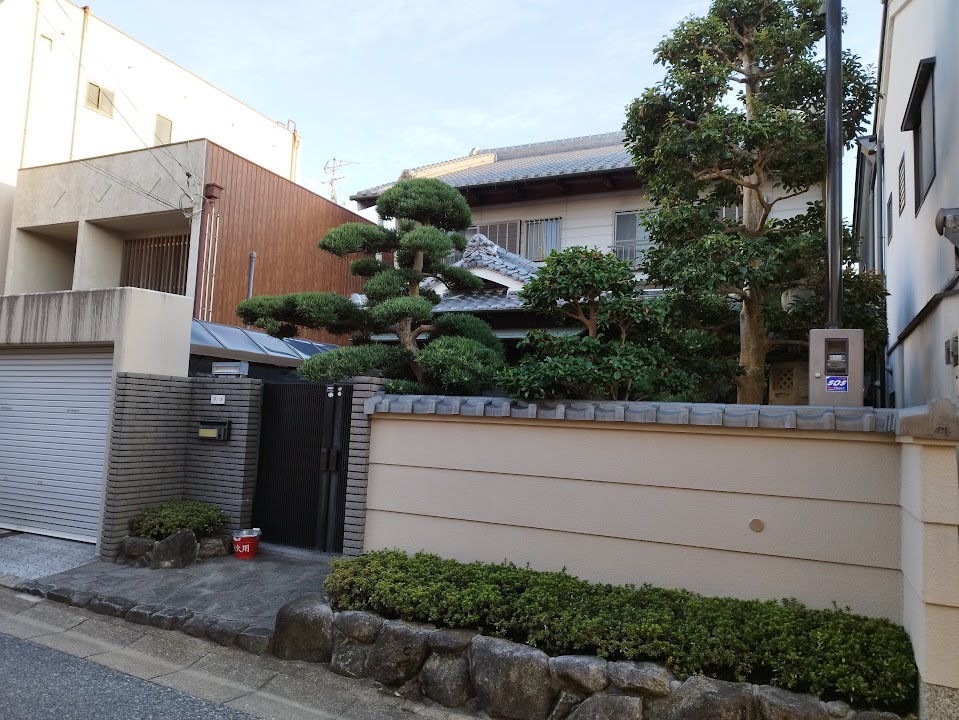
But there is only so small a plot can get before it cannot be divided any further, and places like Tokyo have become notorious for tiny studio apartments and minimalist spaces grown out of necessity. It’s an interesting development as, despite these small sizes, there remains a general preference for personal dwellings. Shared housing doesn’t seem to exist in the same way as in the west, with people sharing larger houses or flats and taking just a room. After my own experience of going on SpareRoom in London and visits to friends' places over the years, to be honest I don’t blame them. The lack of domestic space also seems to encourage greater engagement with the city for socialising or eating. The result is often rabbit warrens of everyday life unfolding on the street level in tiny establishments in densely packed neighbourhoods.
Nevertheless, the shrinking plot sizes feels like an architectural asymptote where, eventually, a line is passed beyond a quantum of space where not even the most compact people can fit inside anymore. I will save the discussion of the so-called ‘coffin houses’ in Hong Kong for that city’s blog, but I always thought they provided a small bit of comfort that at least we found some kind of final destination where surely domestic space could not get any smaller. And where else would this happen other than the place with the most expensive real estate in the world? At least, I hope it cannot get any smaller, or we are verging on model village territory.
An emptying nation
In Japan, the shrinking plots seem in some way antithetical to a broader issue that is sweeping the country, and indeed so many places especially in the rich world: depopulation. Rural areas are emptying out as people move and the death rate surpasses the birth rate. Even employment hubs and cities such as Osaka are technically shrinking. It is a conundrum that will define the next generation or two to come, and it weighs on my mind as to what impact this will have on my own life as well as housing.
Akiya houses refer to the empty homes across the country. Around 9 million, or 14% of all houses in Japan, are supposedly empty, and the figure is potentially higher. Estimates suggest that they could account for 30% of all houses within a decade. A key reason for their existence is that vacant land can be taxed at a rate of 6 times a plot with a building. This incentivises any inheritors to keep a derelict house standing rather than have an empty plot.
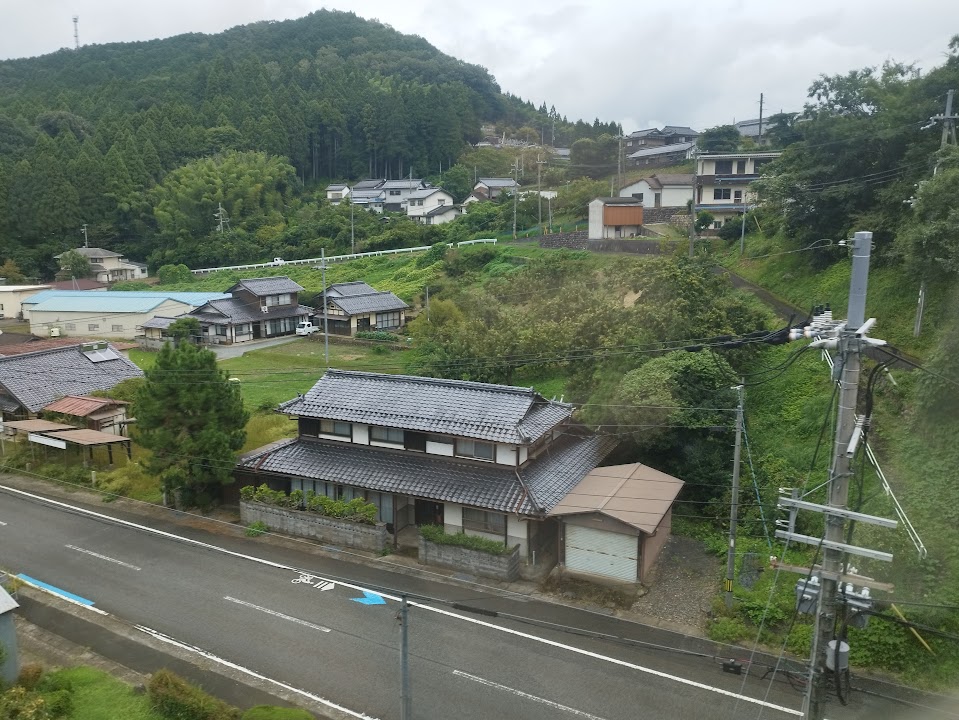
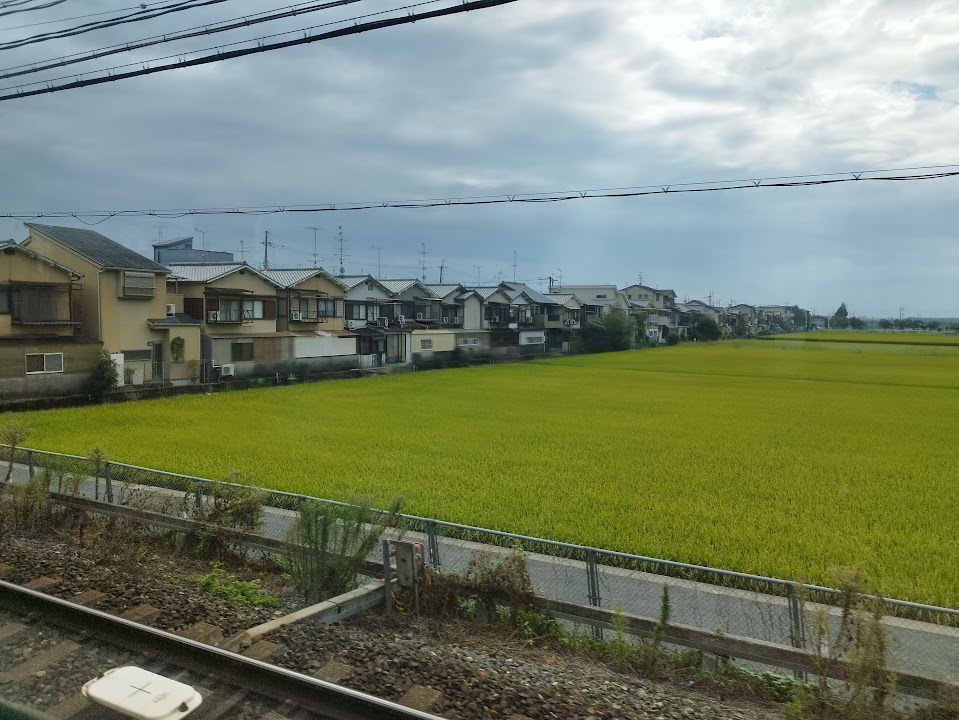
One interesting outcome of this is that foreigners are increasingly buying these homes to either rent out or for holiday homes. You see the effect on sites like Cheaphousesjapan.com, with engaging instagram posts that advertise far flung Japanese homes at compelling prices. You see a similar effect in Italy as well, throwing out attractive fixer-uppers to the Instagram generation. It will be interesting to see how this continues in a country which is famously highly homogenous and reluctant to accept large numbers of long-term migrants. Certainly, foreigners buying up these properties will change the dynamics of these rural areas, with variations depending on just how depopulated they are.
The government has started to act on these issues, with 2026 tax reforms extending credit for second-hand homes to 13 years to help combat the growing number of akiya. They have also enacted new laws to allow local government to strip the tax break for derelict homes if they have become a ‘nuisance’, however that is defined. Local governments are also providing a variety of subsidies for renovations and repairs to the akiya to help revitalise these rural areas as well as tax breaks for renovation work. These feel like positive steps to rethinking the potential wastefulness that comes with the scrap-and-build status quo.
In fact, the Government is on a bit of a roll, also in the process of closing the infamous ‘tower mansion’ tax loophole. This was where inheritance tax had been historically calculated not on market value but on government-assessed value performed by the National Tax agency. High-rise luxury homes benefited from this significantly as the formula spread a building's value equally across the entire tower regardless of individual market value, reducing the taxable value of some assets by 50%. This was augmented by the fact that inheritance tax allows debts to offset asset values, meaning full mortgages on these properties could reduce the taxable estate to zero.
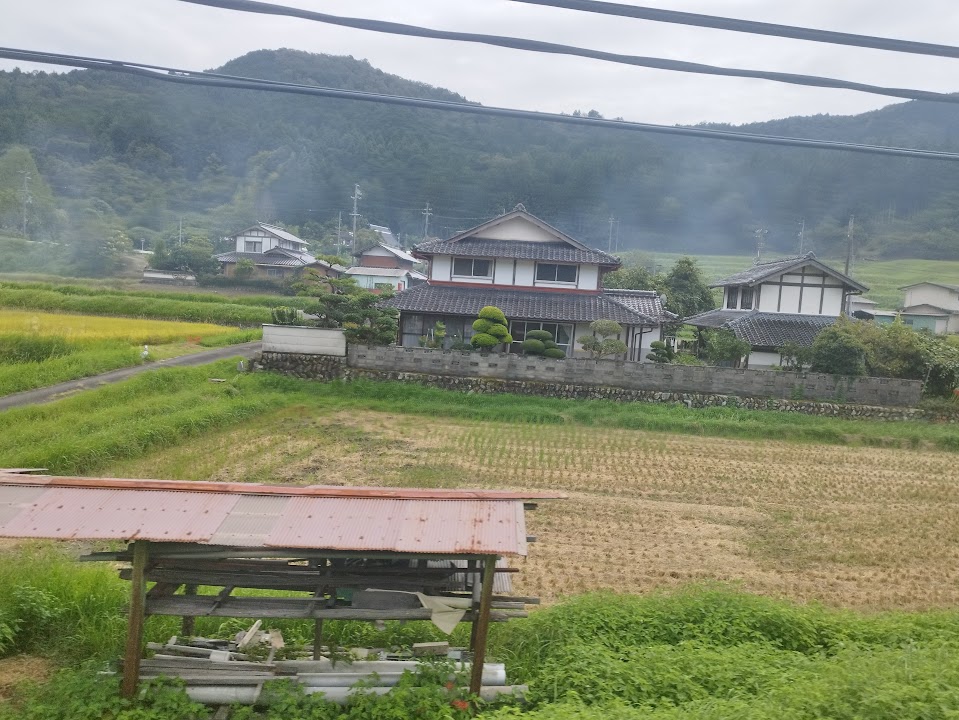
In any case, it is encouraging to see what appears as genuine change and policy intervention along these lines. But realistically the problems created by depopulation are just beginning. It will throw up continued dilemmas of whether young people decide to have children as they become increasingly financially squeezed by the need for the previous generation’s social care, making the issue even worse.
And then the other dilemma of whether or not to open up the country more significantly to immigration to fill in labour gaps. One of the most interesting arguments I heard is that many would rather see their country’s geo-political and economic influence in the region diminish than accept the socio-cultural changes that are arguably required to maintain it. It’s a fascinating take, and one that many more countries may end up taking as they face similar challenges. If that is the case, we could end up seeing a lot more abandoned homes being reclaimed by nature and not only in Japan.
Final thoughts
I once read the apt description that Japan today embodies what people in the 1980s thought the future would be like. I think Japan today continues to provide a vision of the future, but one that captures the key dilemmas of the 21st century: ageing populations and sustainability of material and energy use.
Those visions from the 1980s always had a dystopian tinge, but the neon at least made it look pretty cool. In contrast, the challenges, or dare I say threats, we see today feel much more prosaic. How do we remake our homes that are adjustable to our needs and wants without wasting too many precious resources? What do we do when plots become so small or impractically shaped even the most inventive architect can’t design a functional home? What happens to the aging people left in the countryside as a smaller generation of young people further cluster in cities for available employment? These are realities many more countries are going to face. They will need to make sure their housing can adapt.

Disneyland for architects and the joys of a toilet
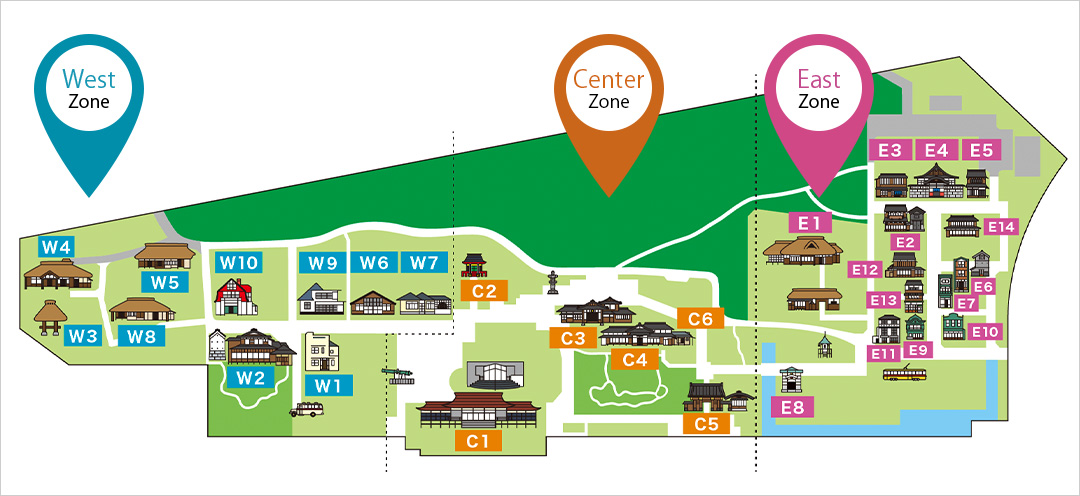
As a cheeky bonus, I couldn’t miss mentioning one of my favourite museums, and quite frankly one of my favourite places, I have ever visited. The Edo-Tokyo Open Air Architecture Museum is located in Koganei Park in the west of Tokyo and features 30 reconstructed and restored buildings. It’s a delight, with a variety of homes from Edo era farmhouses to those of 20th century industrialists.
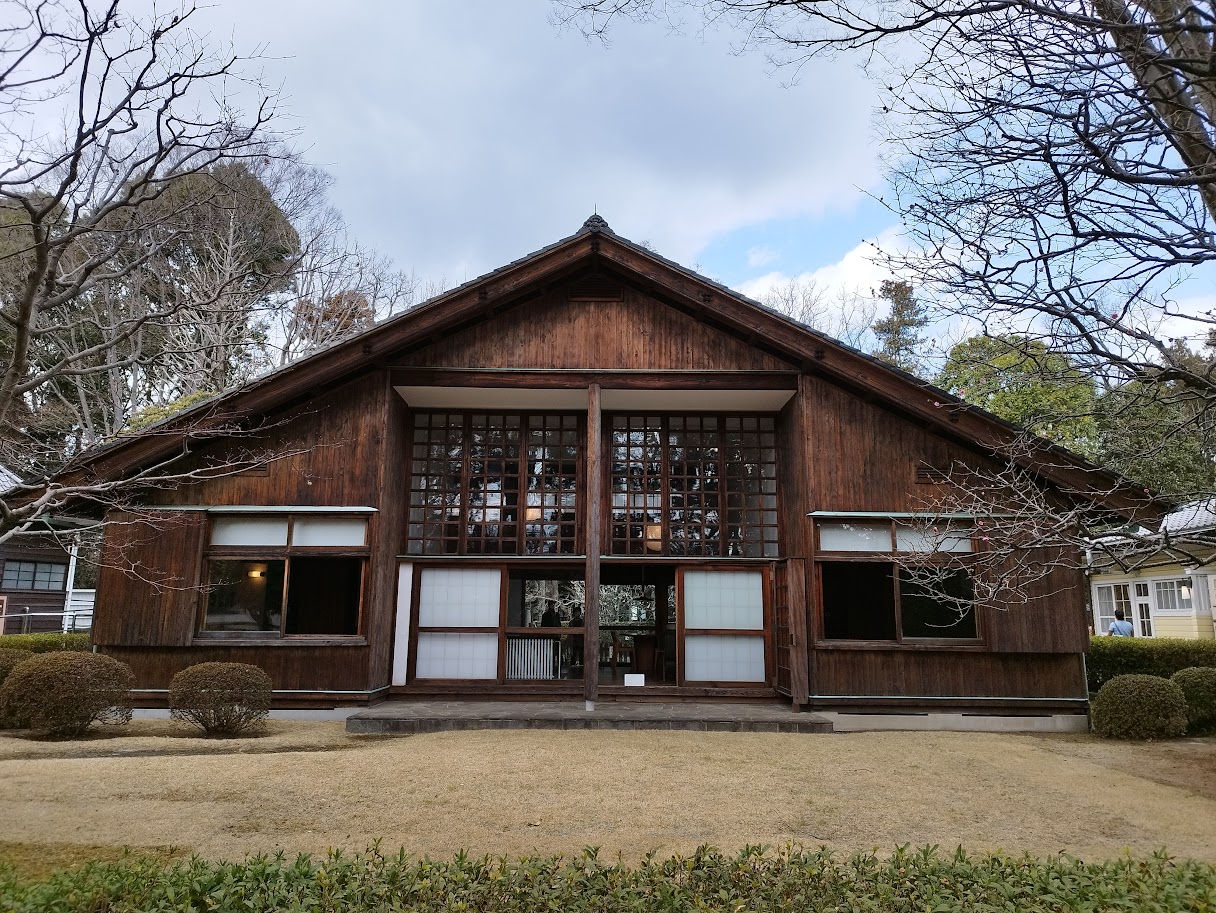
A particular highlight is the self-designed home of architect Kunio Maekawa, who worked for a couple of years with Le Corbusier and became a key figure of modernist architecture in post-war Japan. I love this arc where Japanese principles which were once a key influence on the original modernist aesthetic came back full circle to redefine the country’s architecture. It’s a charming little house which wouldn’t seem out of place in an alpine resort.
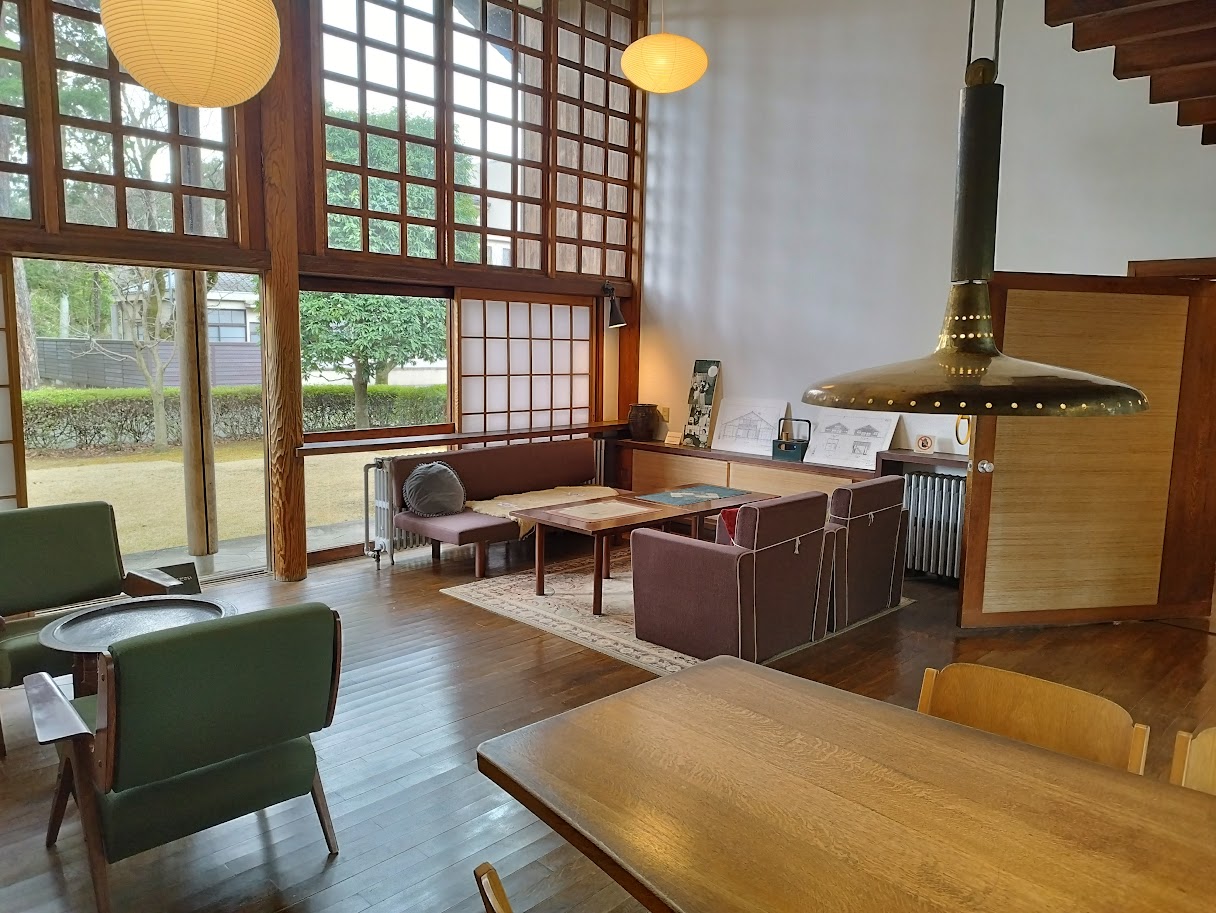
The strongest association I have with this place though concerns the defining impressions of Junichiro Tanizaki’s iconic essay that adorns many an architectural school’s pre-reading list for new students: In Praise of Shadows. This delightfully short number extols the Japanese aesthetic of darkness, patina, and depth of shadow over the western fixation on brightness, sheen, and rendering everything visible. You see the cultural conflict in the designs of homes, trying to adapt western technology such as electricity, heating, and modern plumbing to the traditional Japanese aesthetic.
The most striking and amusing passage though relates to the joys of the Japanese toilet. As he affirms, ‘the parlour may have its charms, but the Japanese toilet truly is a place of spiritual repose.’ In the farmhouses you gain some insight into the traditional layout of the toilet at the end of a corridor, and can envision the delights of the leaves and moss that turn all trips there into a ‘physiological delight.’ I can think of no better way to bring this particular installment to an end, so here we are…
Disclaimer: These posts reflect my best understanding of each market. They are based on conversations with locals and experts, academic articles, and other online publications while trying not to get bogged down in too much detail and keep things understandable and perhaps a little entertaining. If there is anything that is factually wrong or out of date, things that I’ve misunderstood, or extra nuances you think it important to note, please do get in touch!