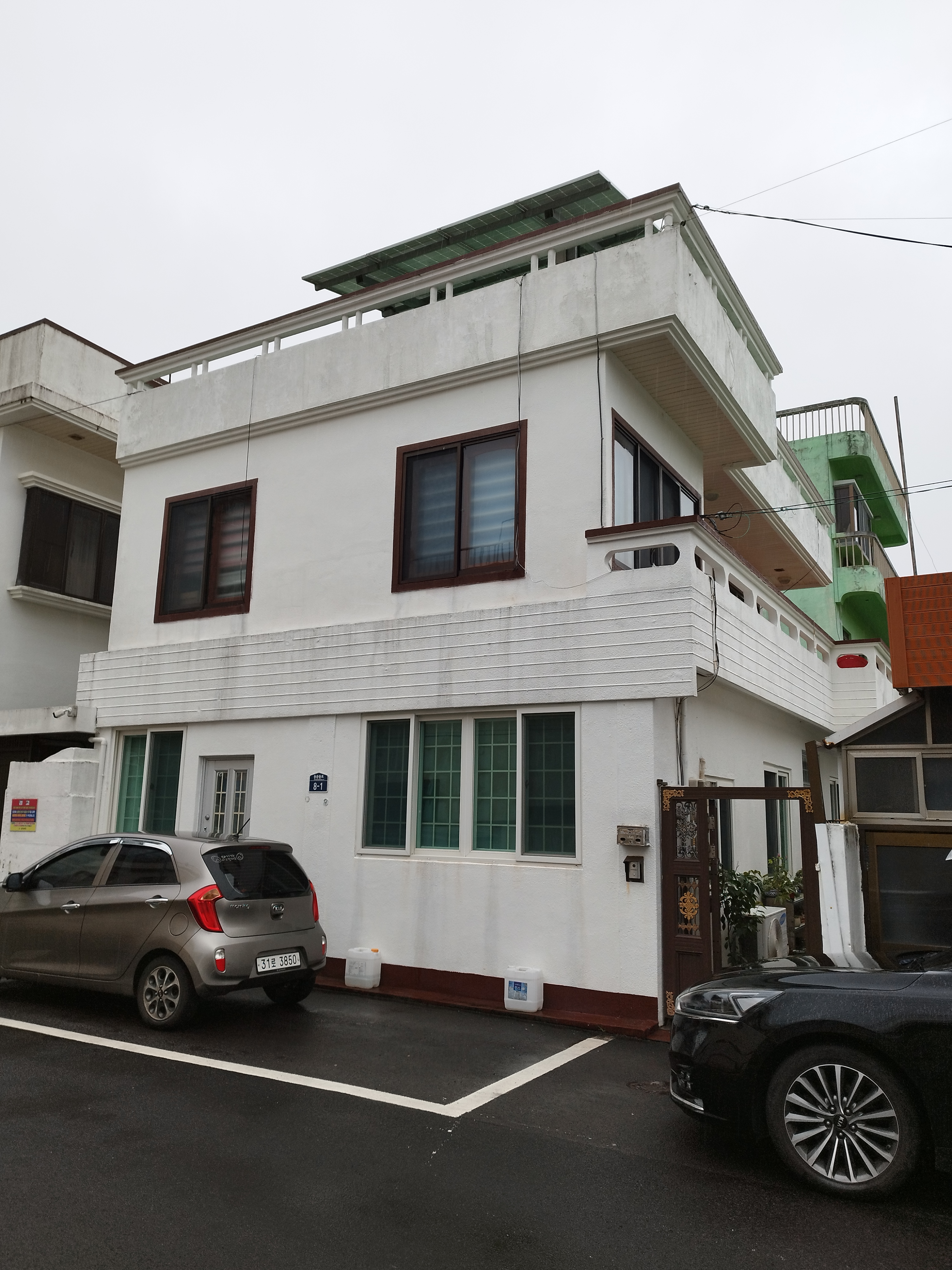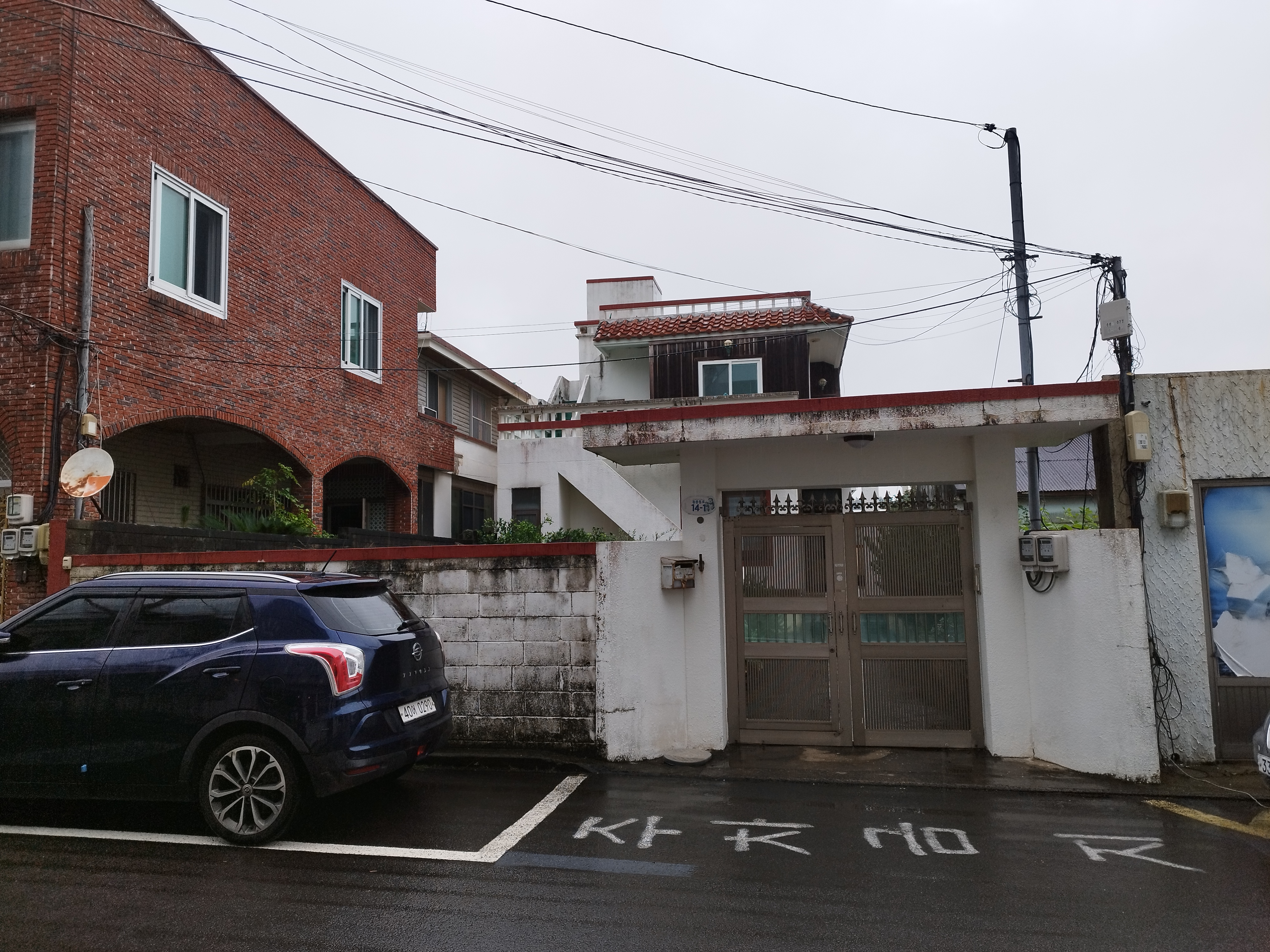
Housing is a key part of Korea’s economic development and home ownership is considered a crucial investment, but affordability has long been an issue. This resulted in the highly unique ‘Jeongse’ housing system which sits somewhere between ownership and renting. Tenants pay a one-time deposit of 50-80% of a property’s value that is effectively an interest-free loan for the landlord to reinvest elsewhere before it is returned.
The system originates from a time when housing finance was limited and interest rates were high after WW2. It often acts as a stepping stone to ownership, with tenants borrowing money from banks to pay the deposits and build wealth.
But this comes with dangers as it requires house prices to consistently grow and for landlords to invest responsibly. These came to a head in 2022 when interest rate rises resulted in tenants requesting their deposits back, but many landlords couldn’t do this due to overleveraged investments. Many tenants therefore lost their money as some landlords fled, causing prices to fall.
The fragility of this model is an issue as Korea has some of the world’s highest levels of household debt, primarily due to high house prices. These are cited as a key factor in the country having the lowest birthrate in the world of just 0.72. A 2023 report noted that a 1% rise in house prices leads to 0.002 fewer births per woman, highlighting the issue of housing affordability that is affecting young people in so many countries.
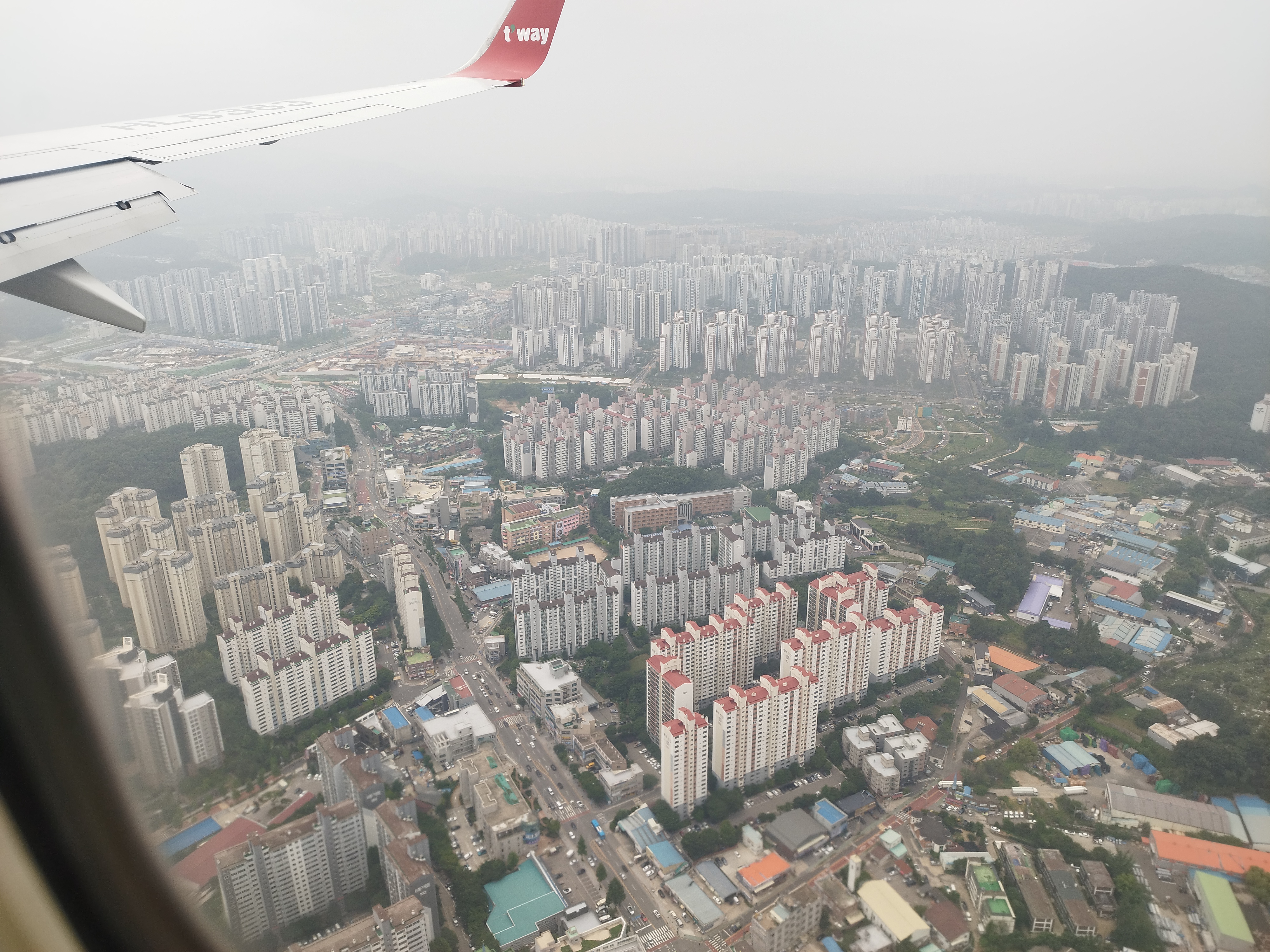
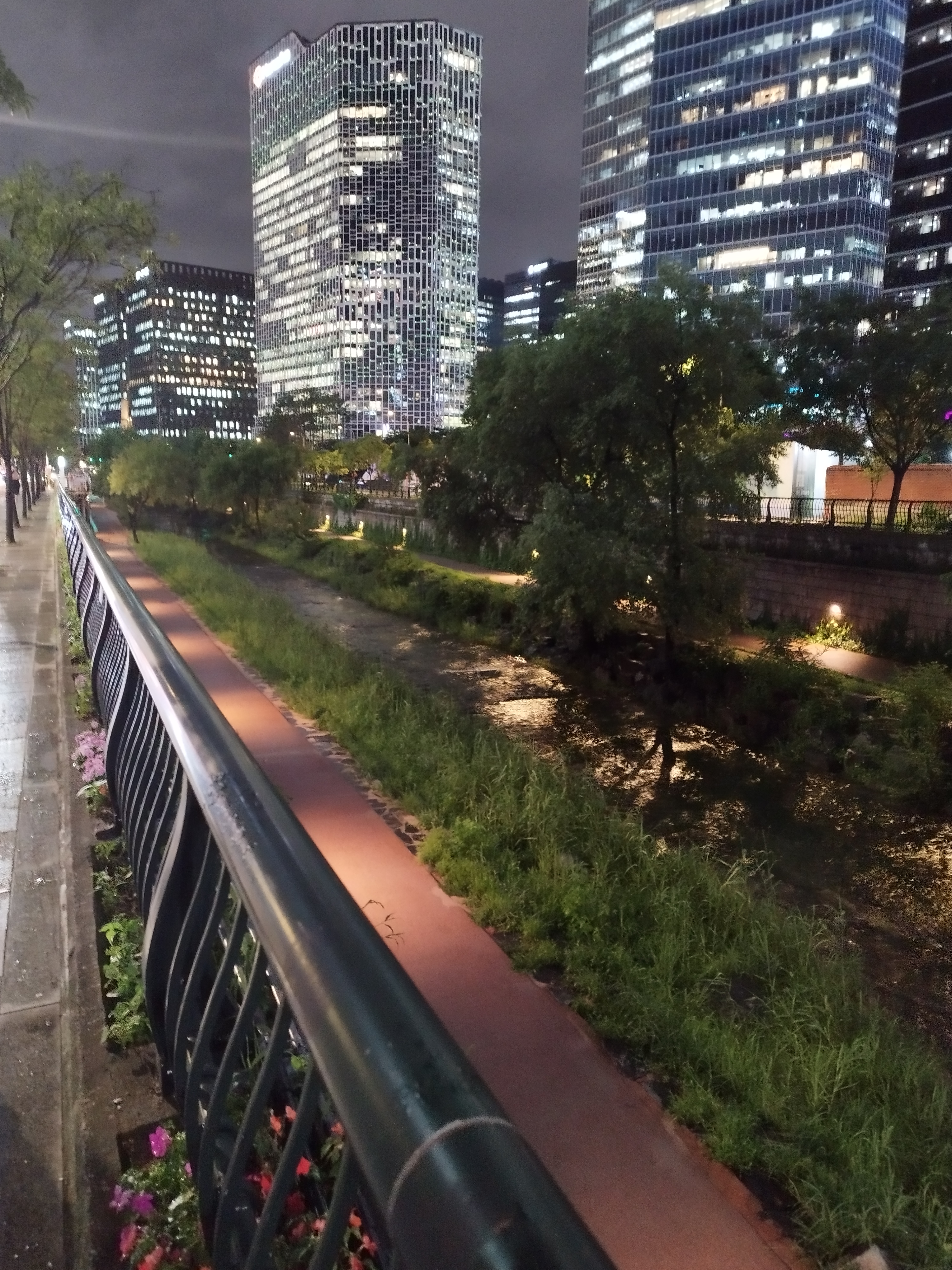
From an architectural perspective, I’m intrigued by the overwhelming preference for contemporary flats over houses unlike the UK. The attraction comes from better amenities and comfort in prime urban areas that make them better investments.
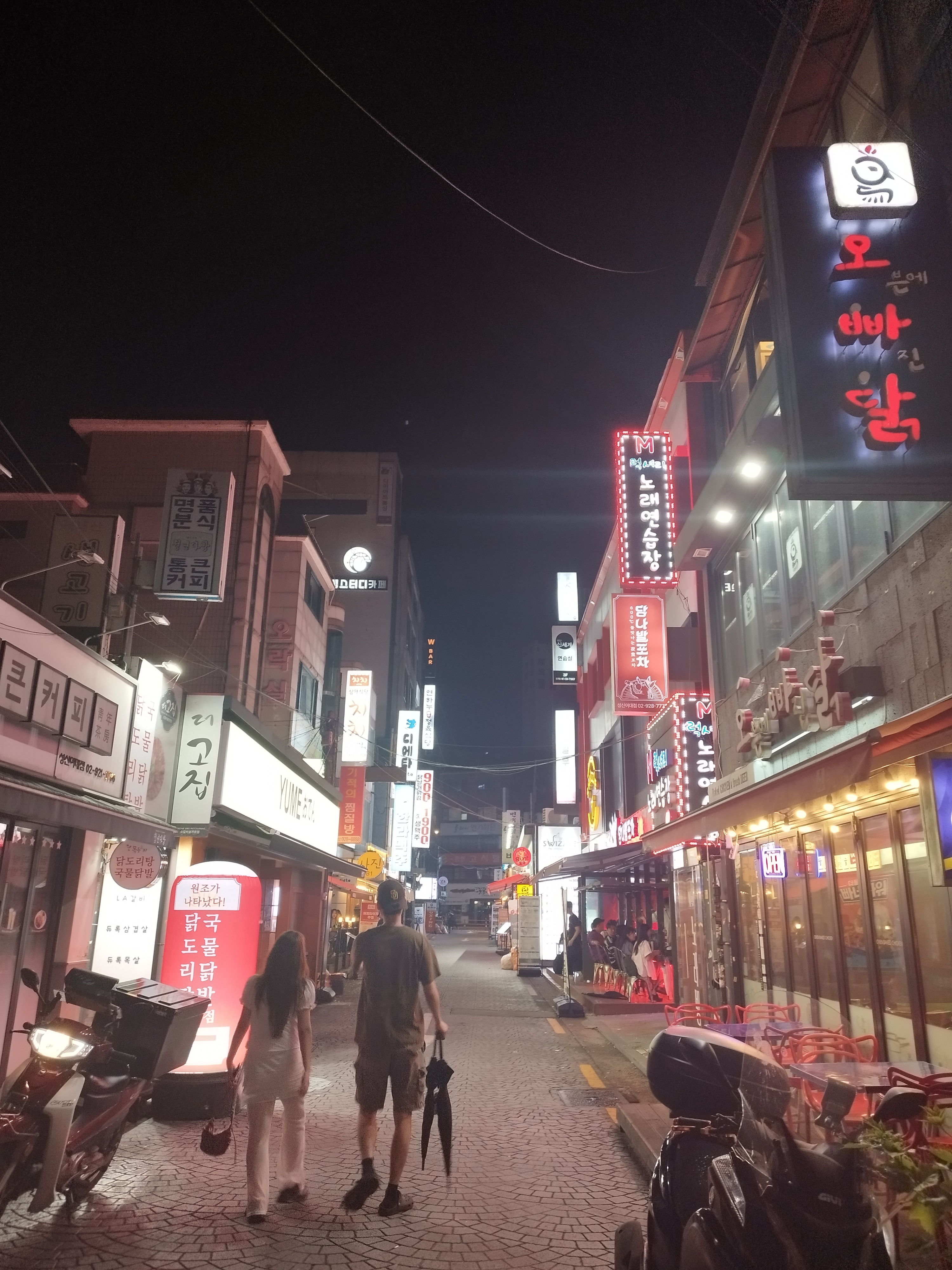
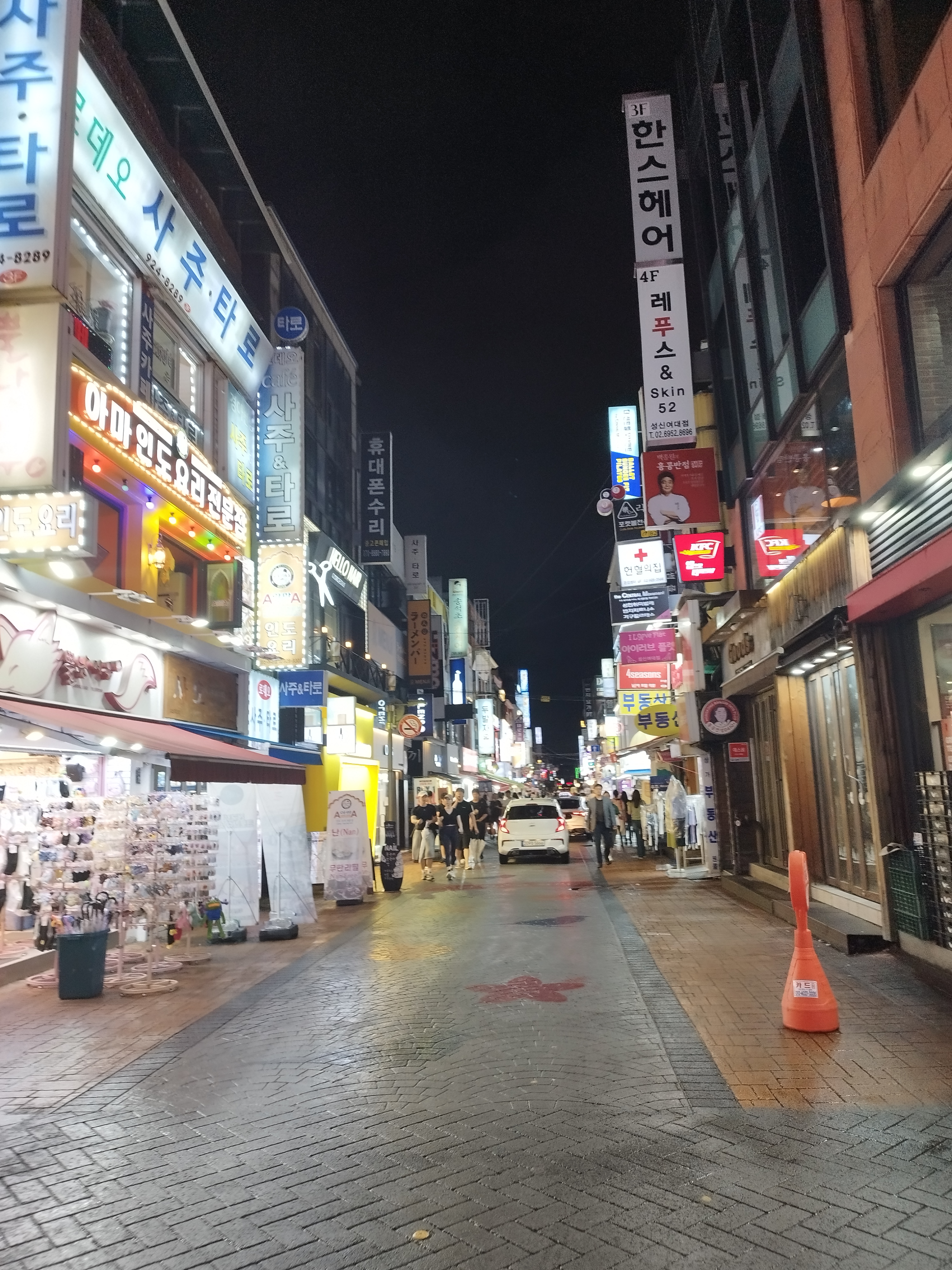
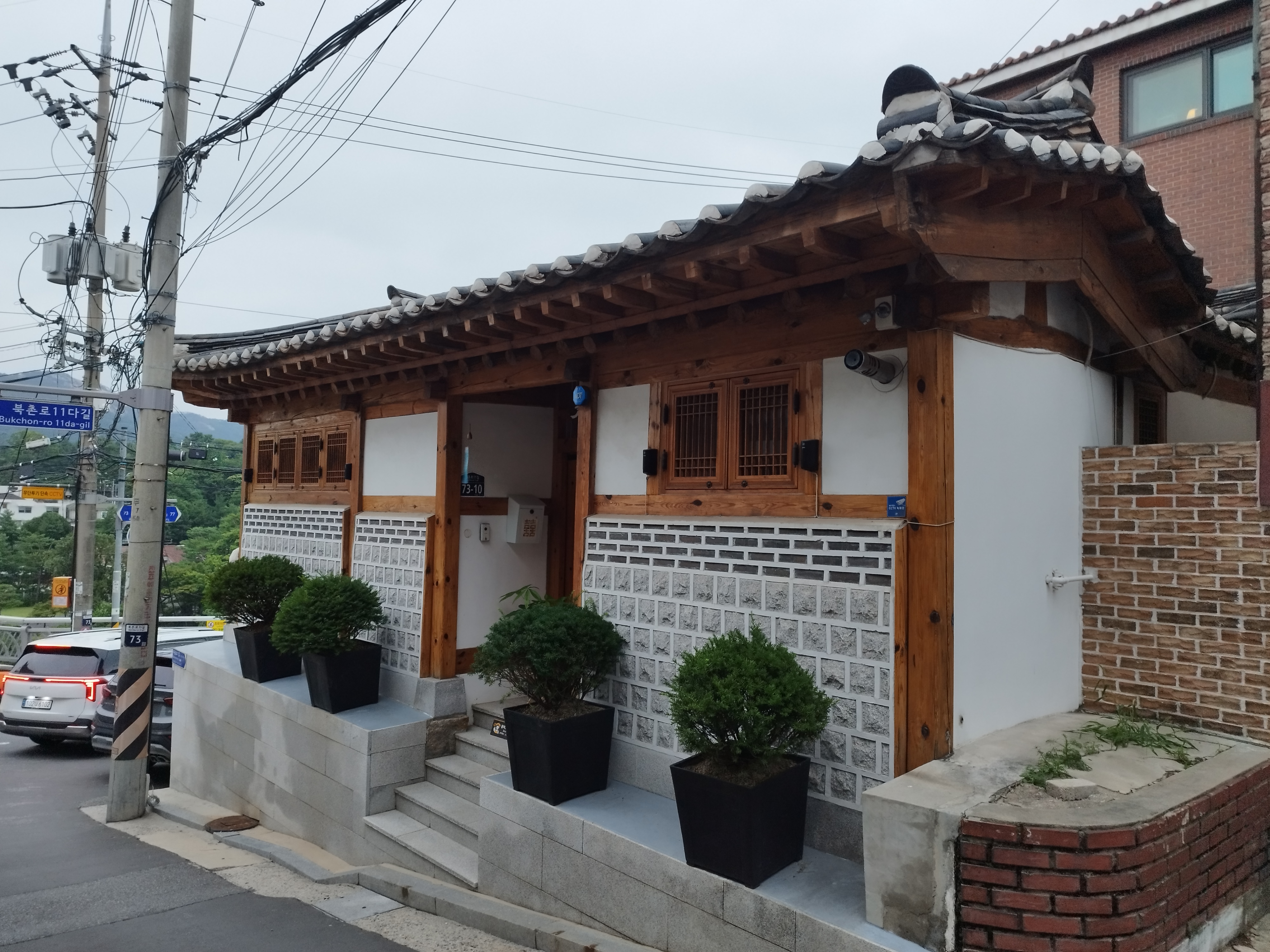
Despite this, the traditional ‘Hanok’ housing highlights the complex relationships the country has with its architectural past. These are houses with brick walls, short eaves, glass windows, brick and tile walls, and internal courtyards.
On the one hand, the Buckchon Hanok Village in Seoul is a preserved and highly desirable residential neighbourhood. It attracts so many tourists that wardens are employed to ensure they keep their voices down. In contrast, down the road is Ikseon-dong, where similar homes have been transformed into cafes, boutiques, bars, and restaurants after the structures fell into disrepair as residents moved out to more modern accommodation.
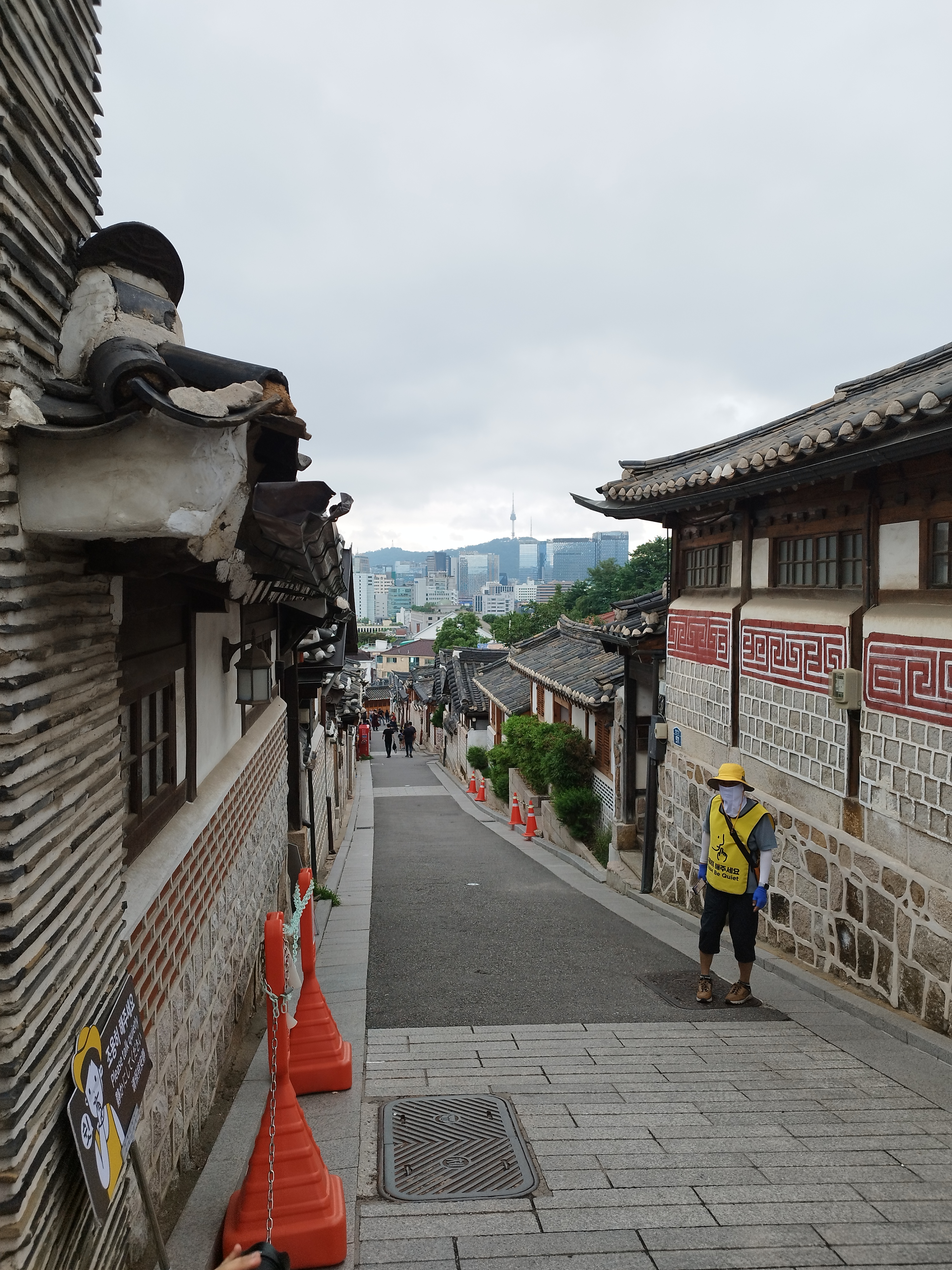
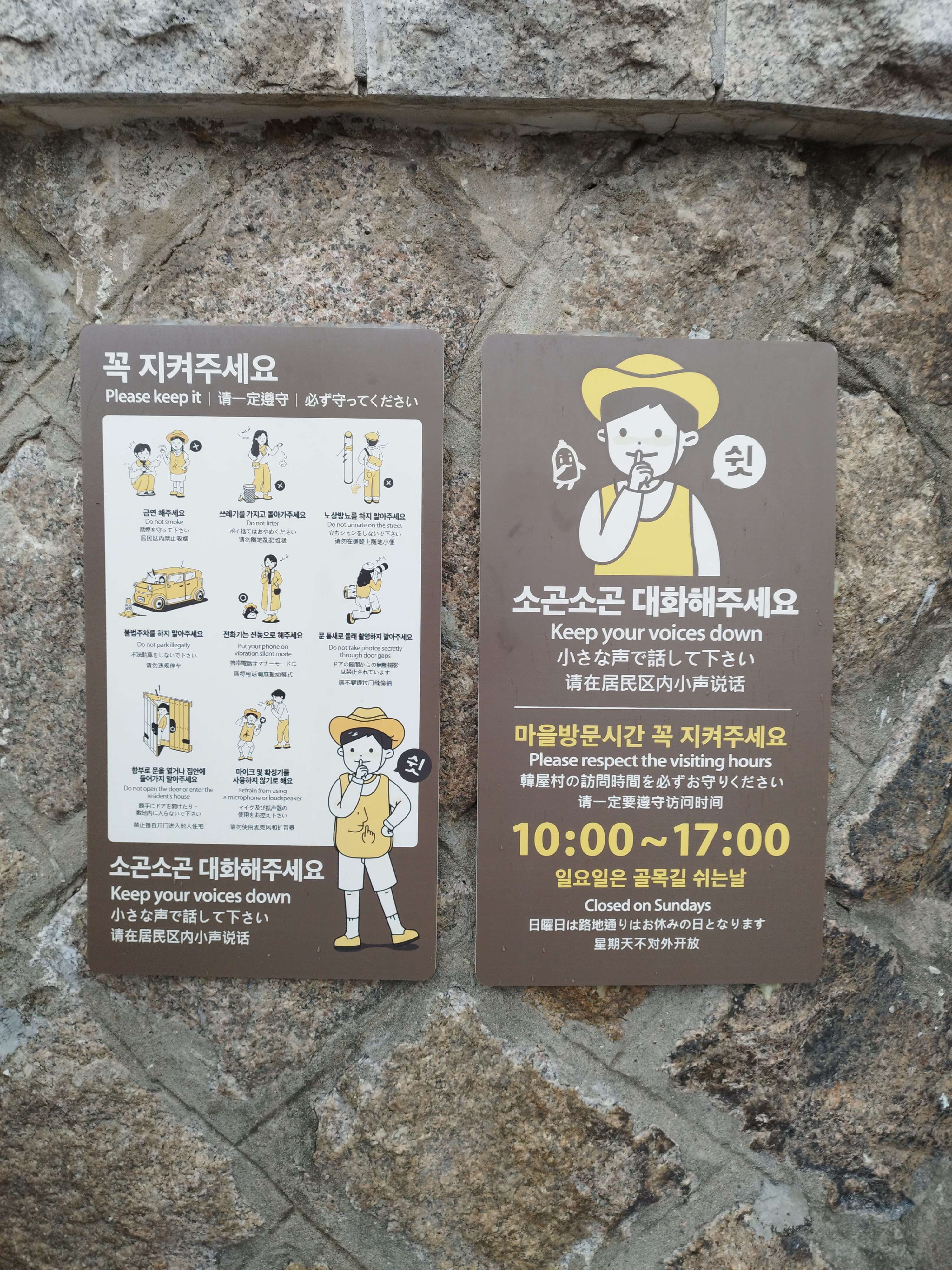
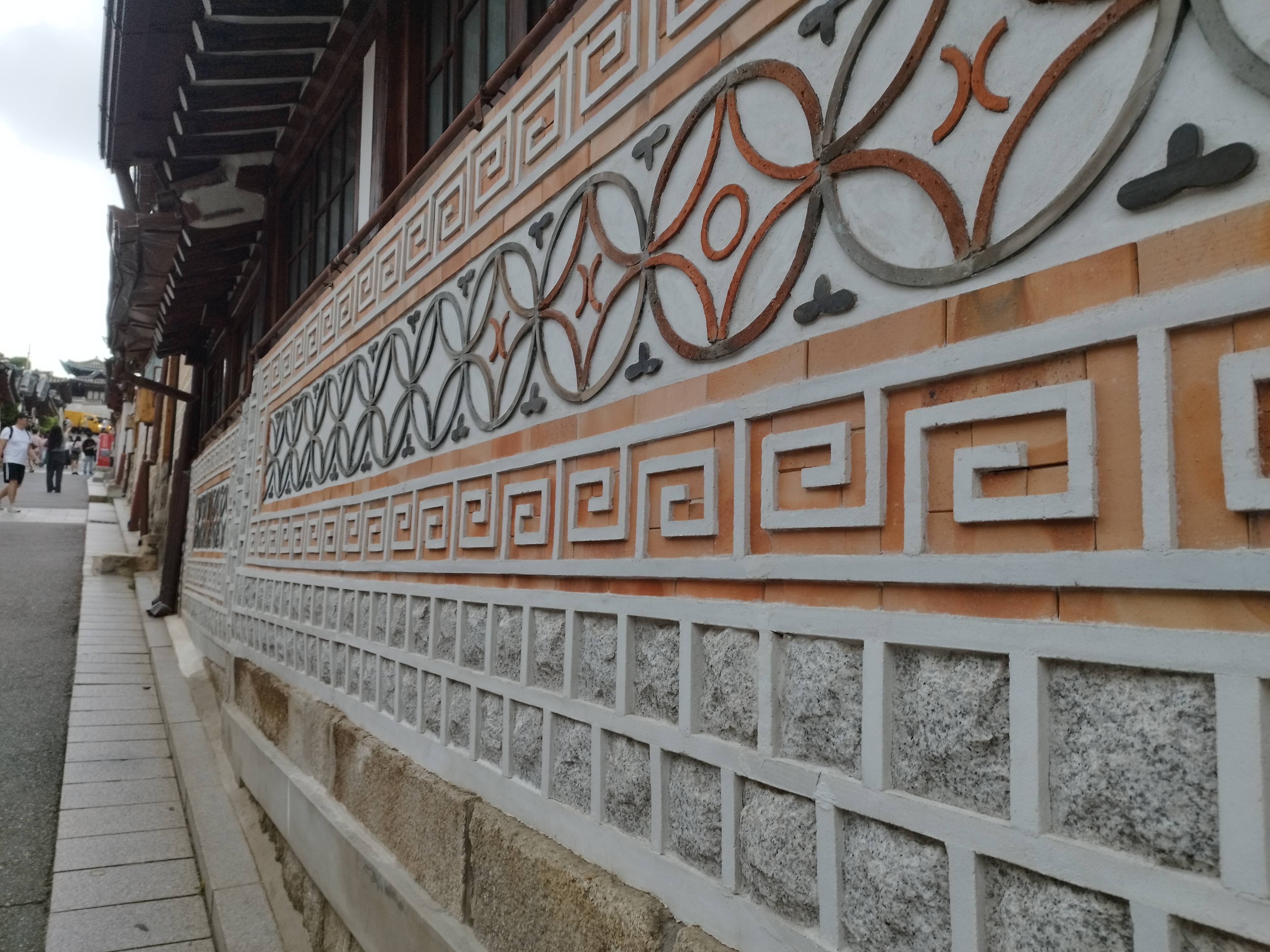
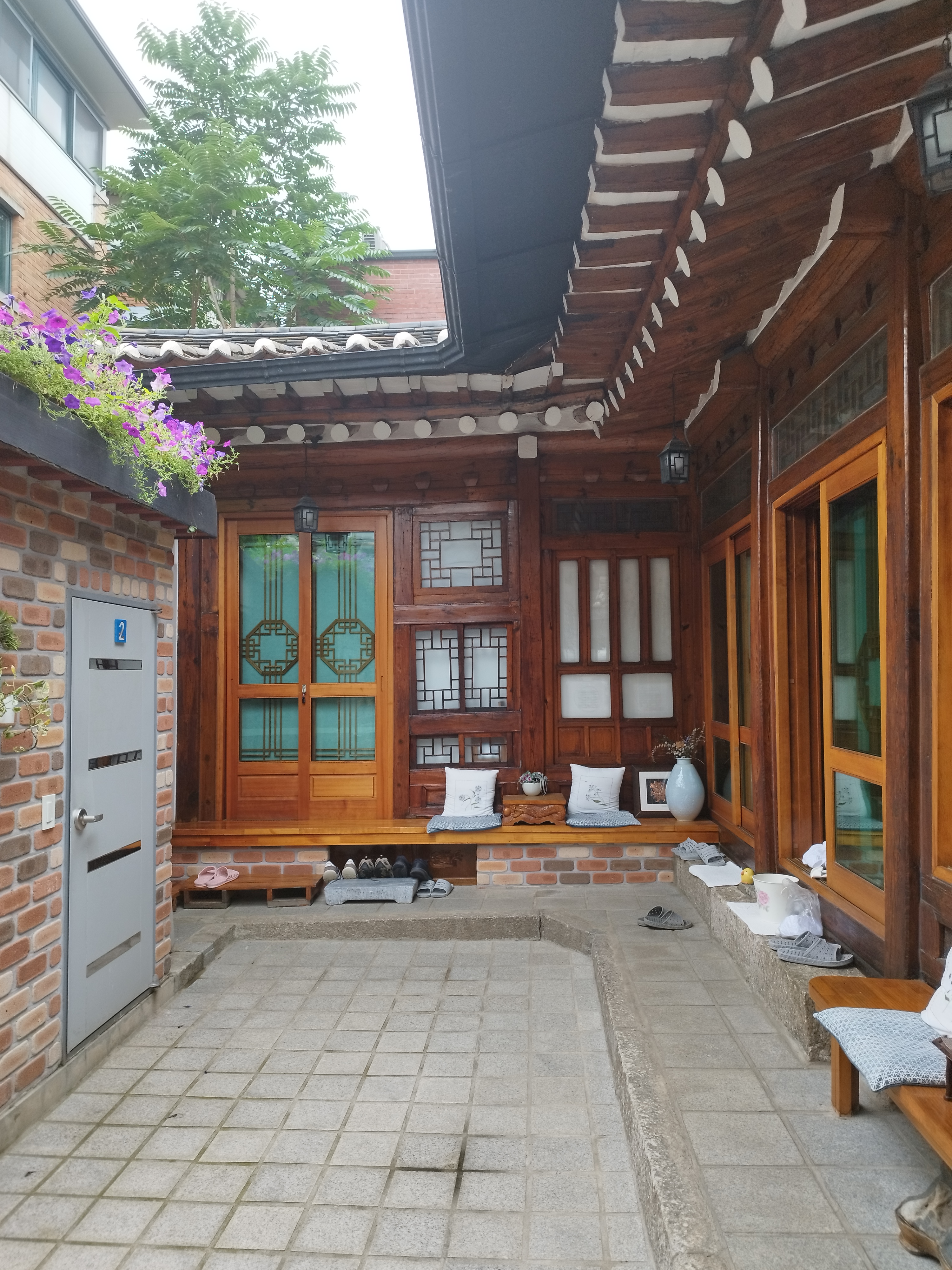
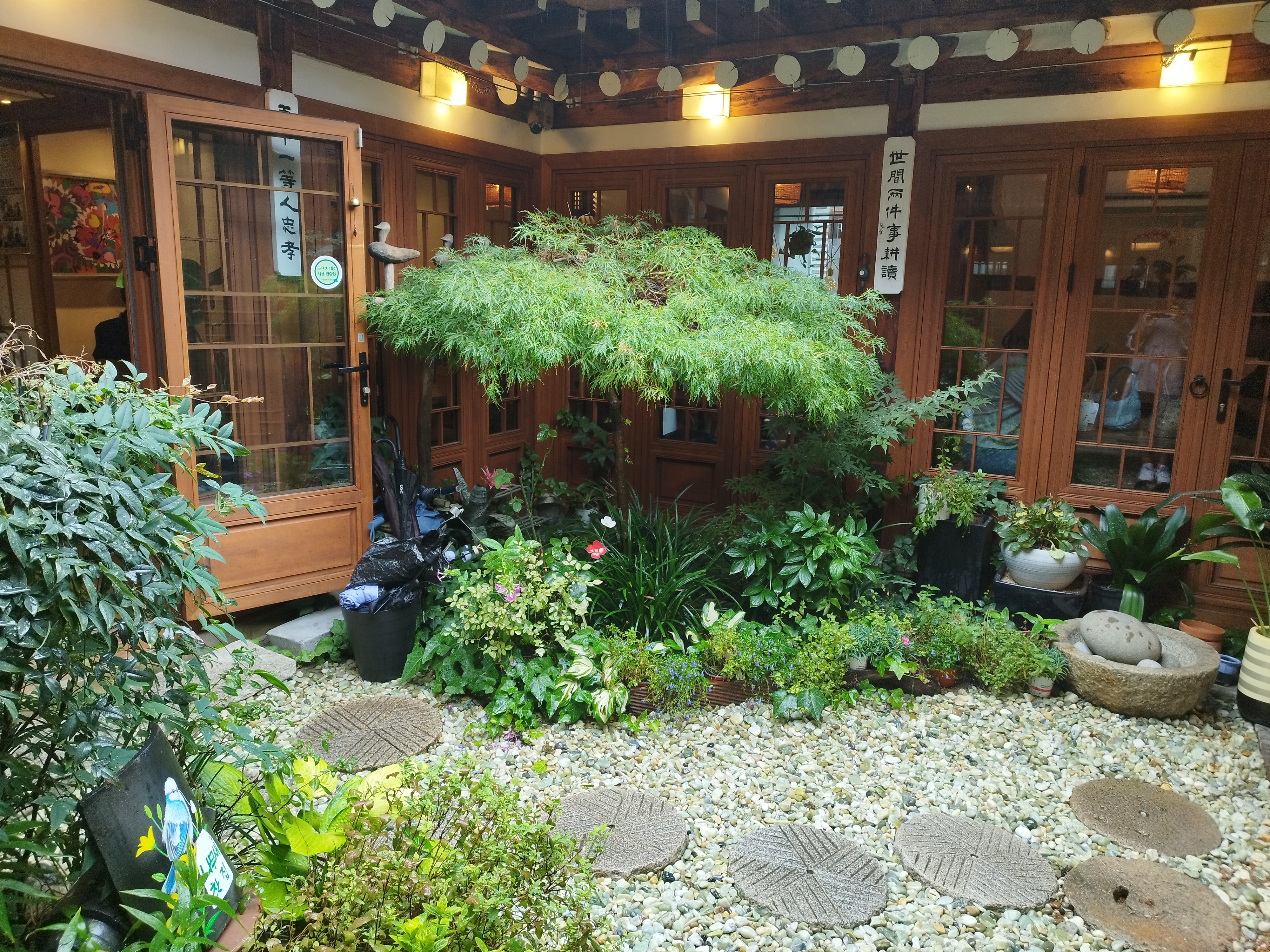
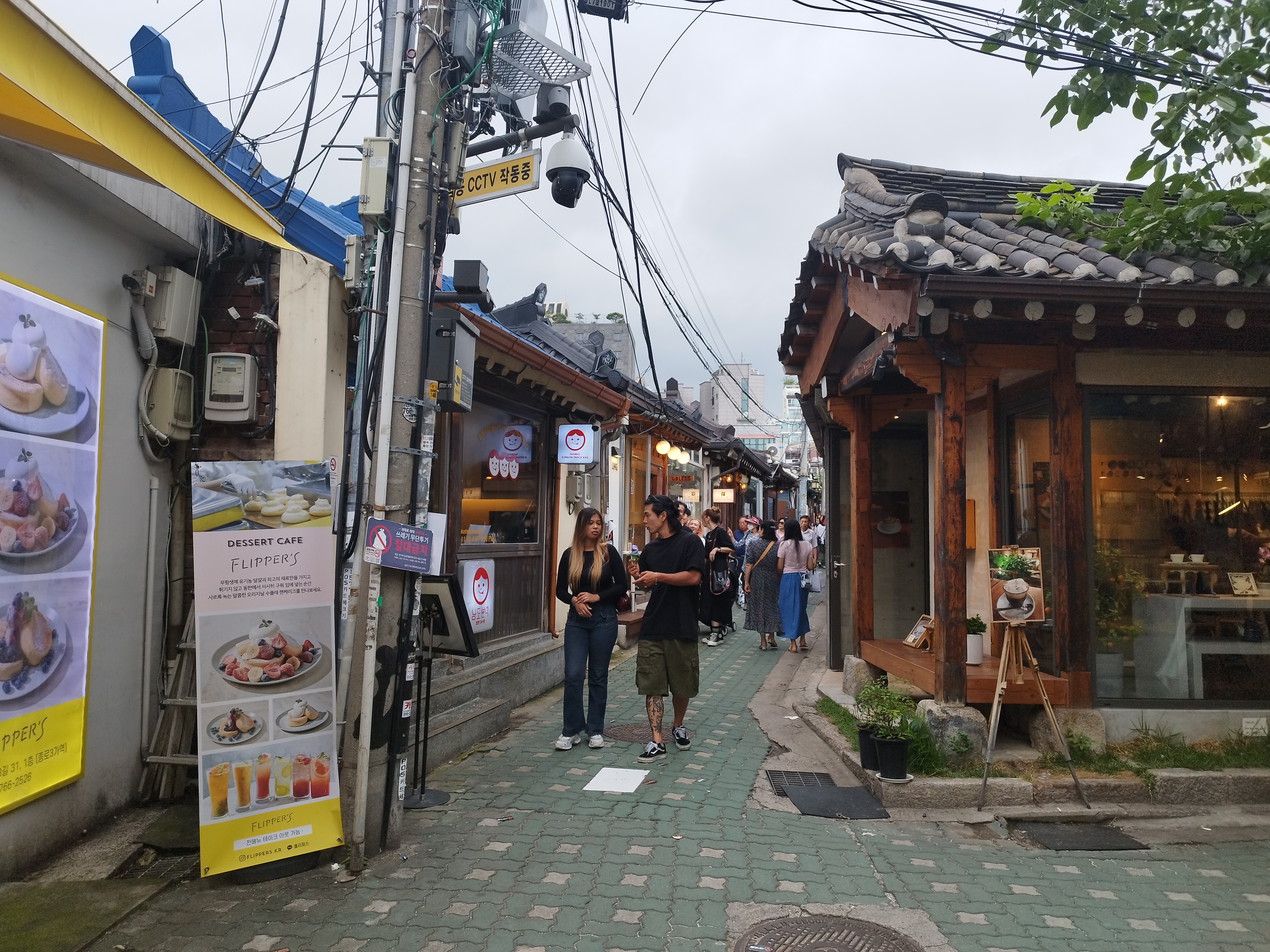
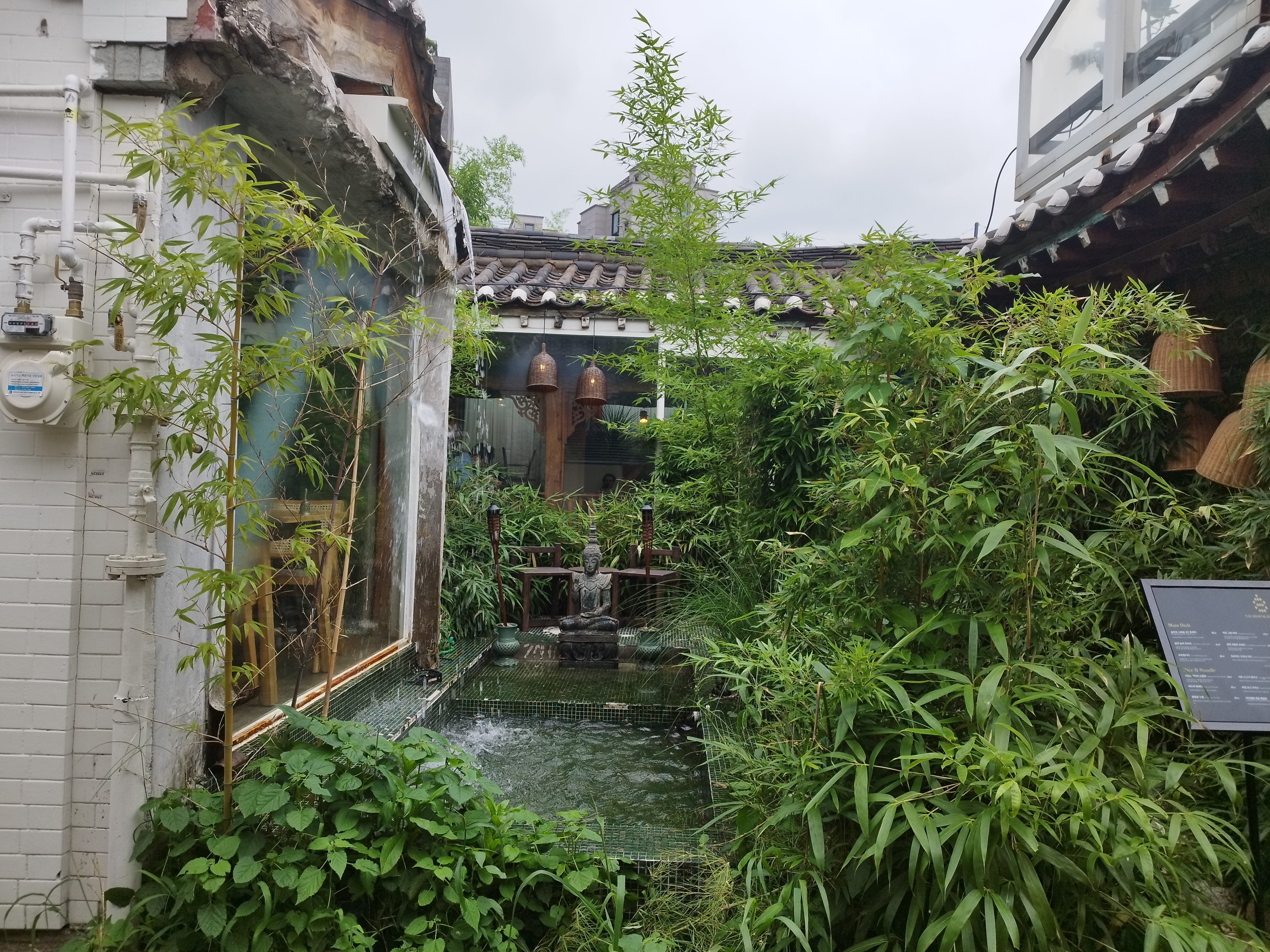
Both villages are equally as instagrammable but promote divergent uses of a still clearly appreciated traditional architecture: high-end private residences vs bustling commercial activity.
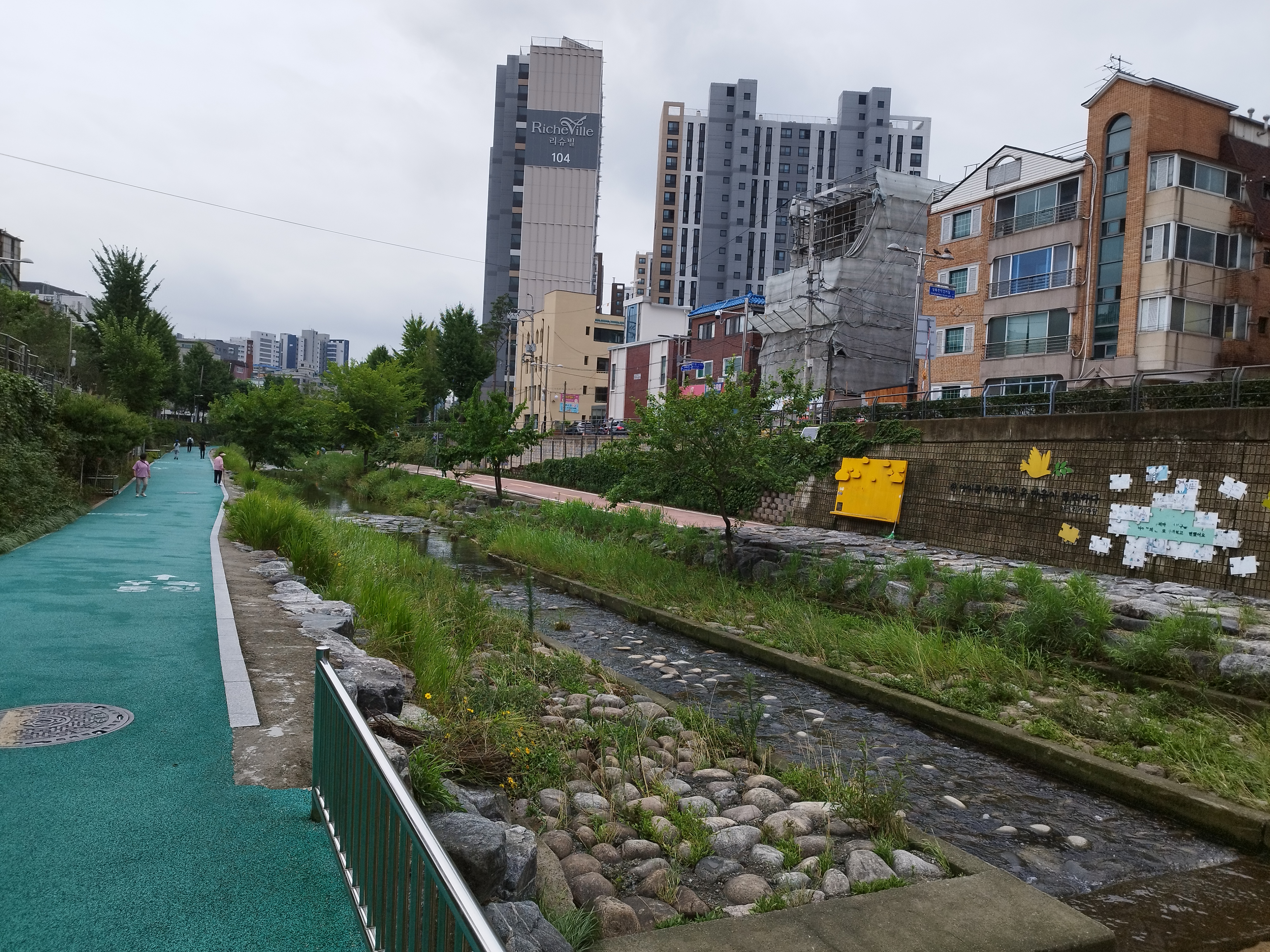
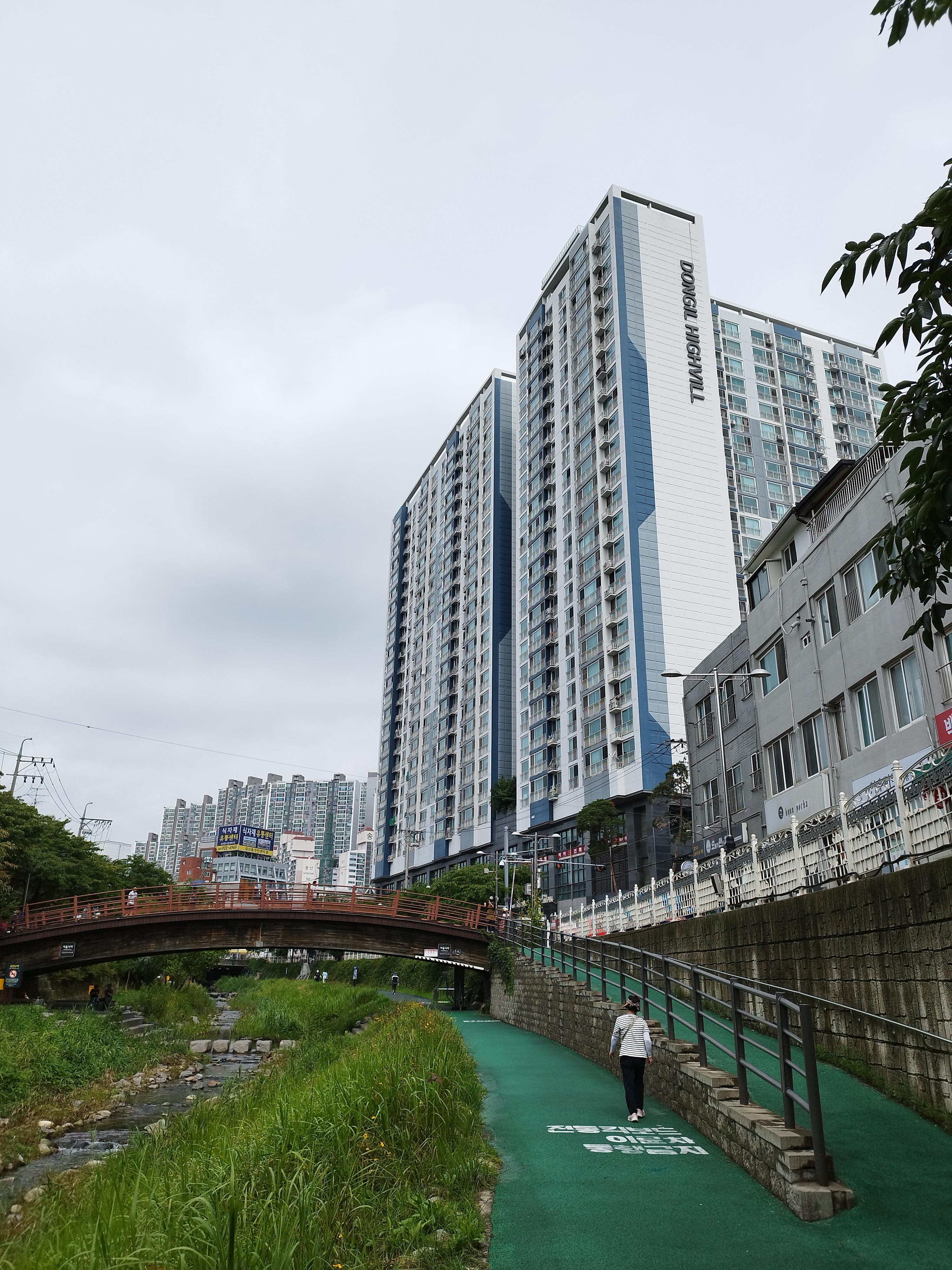
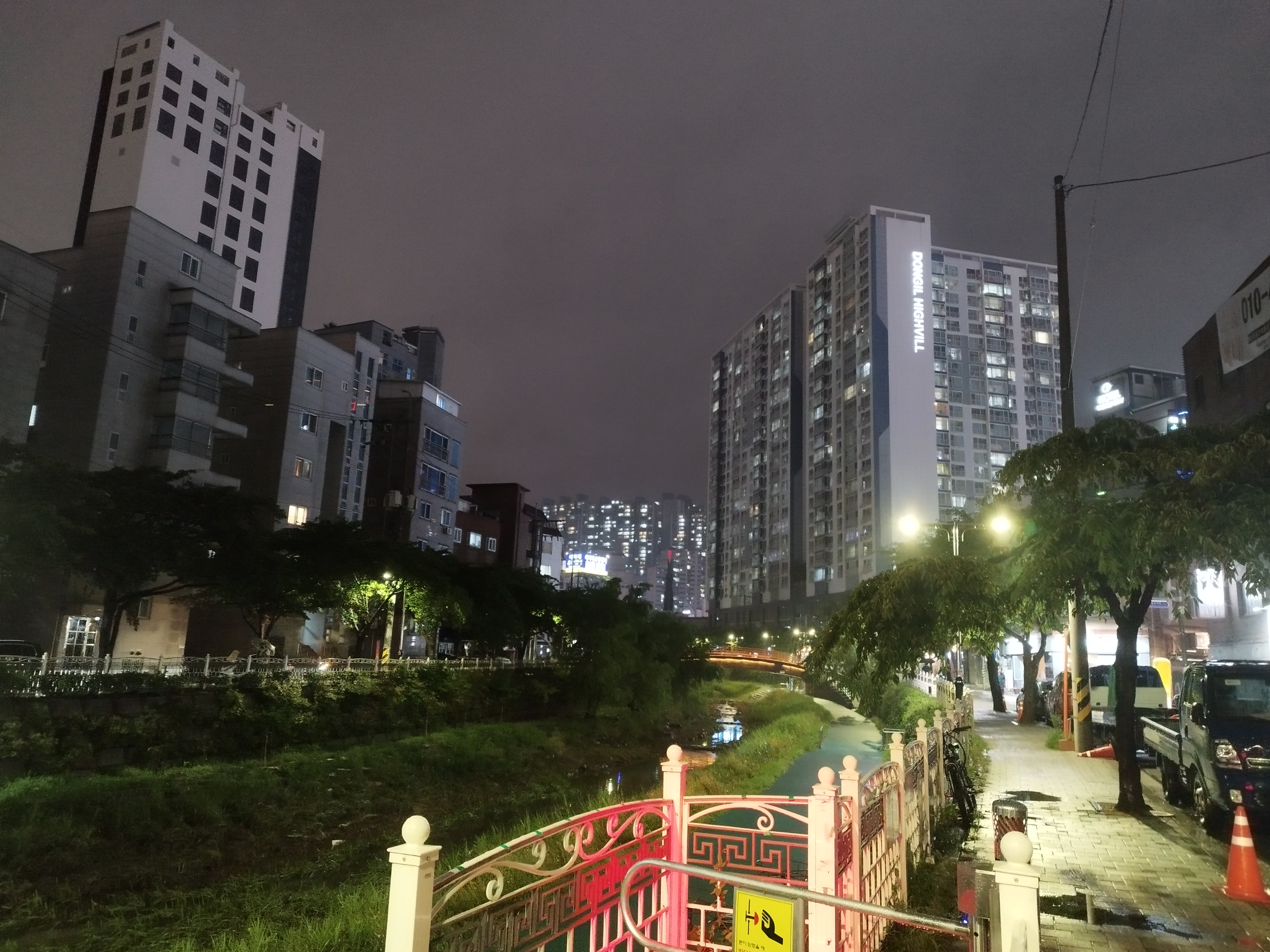
Away from the capital, the housing market on Jeju Island offers a different perspective on the "holiday" and retirement market, blending modern apartment blocks with the island's unique volcanic landscape.