I can’t think of a region that could claim as radical an alteration in recent years more so than the Arabian Peninsula. Nowhere else better captures the essence of the late 20th and early 21st centuries: the impact of global oil dependence and the booming wealth that followed, to a hasty pivot away to ensure development can continue in a new age of sustainable energy generation. Dubai in particular has taken a distinctive spot in British culture in recent years with its variety of associations.
I must admit, it is not somewhere I had delved into much before. So when I got a chance to visit Oman, I was exceptionally excited to explore the housing market of a region I didn’t know much about.
The ultimate government giveaway
The defining feature of the Omani housing market is a government scheme managed by the Ministry of Housing and Urban Planning (MHUP) that allocates a 600m² plot of land to every citizen to build a house on. This began in 1984 for men over 21 and was extended in 2008 to include women over 24.
I honestly find this incredible - the encouragement of all those eligible to create a self-build house on land given for free. Inhabitants can, theoretically, design homes that meet their family needs, wants, and artistic tastes. This self-built culture is something I think we sorely lack in the UK. The most famous example is probably Walter Segal’s pioneering project in the 1980s in Lewisham, where those on the council’s housing waiting list were offered the chance to build their own homes. There is certainly a difference in literally constructing your own home and having the chance to choose a design provided from a builder, as is likely the case in Oman. But even so, the ability for people to have much greater say in the design of their homes from the beginning is a brilliant way to provide a greater sense of custodianship over where and how we live.
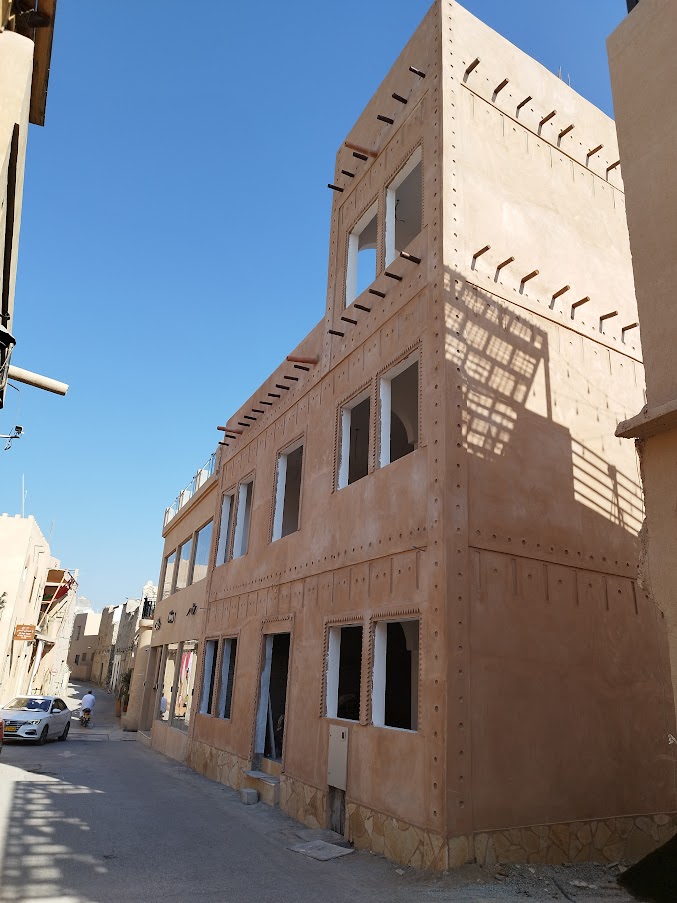
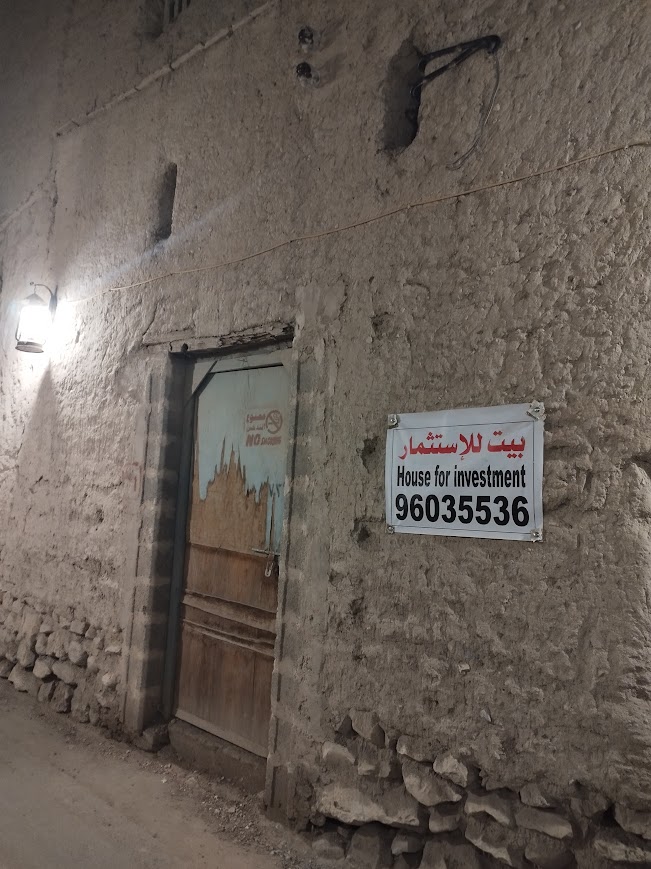
As with all things, the reality is much messier compared to the attractive theory. Applicants can only choose the region for their plot, not a specific location. Plots are then allocated randomly as part of a lottery system, regardless of current residence or job locations, meaning recipients can be detached from their families and existing communities. The long waiting list also means it can take years to get an allocation, making it difficult to adjust to personal plans, needs, or financial capabilities. This is likely to worsen, with 44% of the Omani population under 17, meaning many more will become eligible in the coming years.
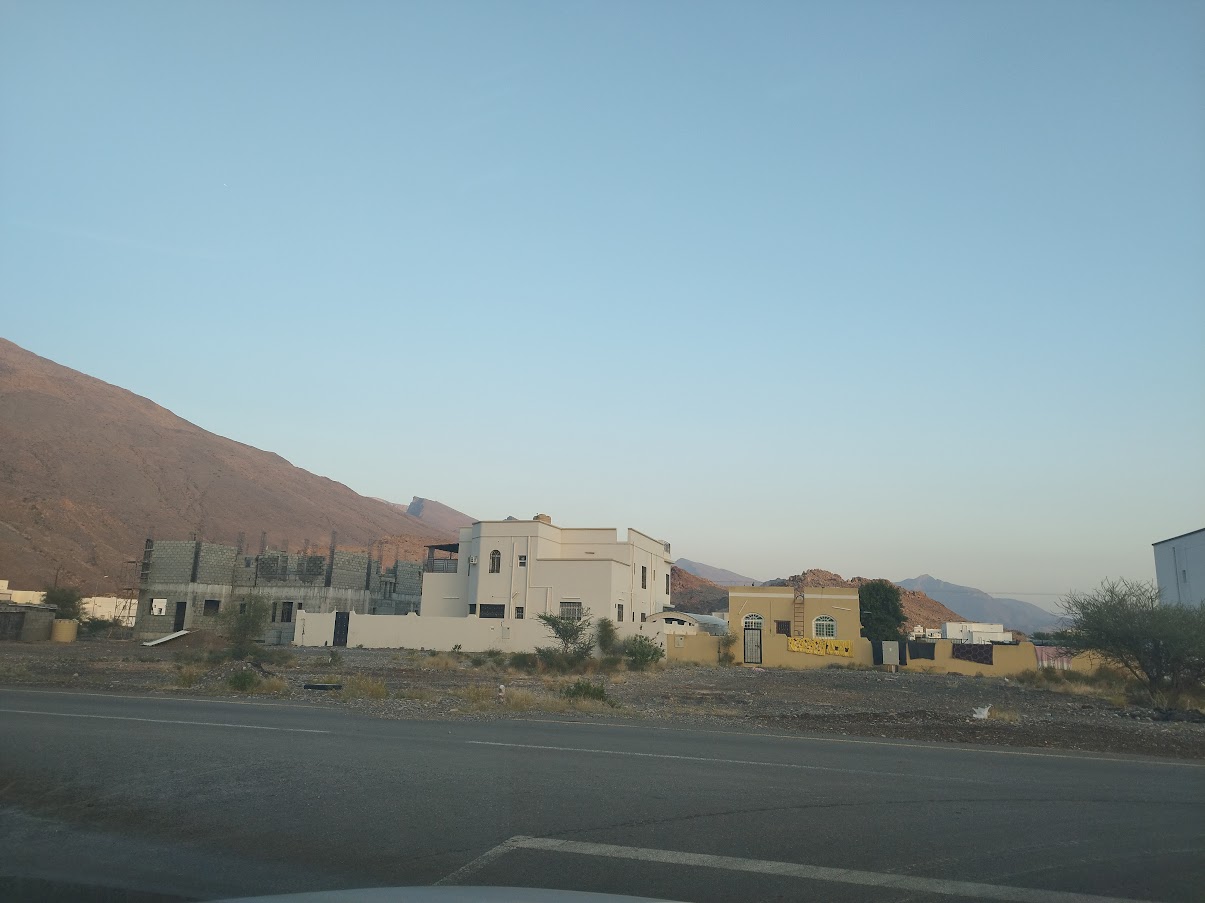
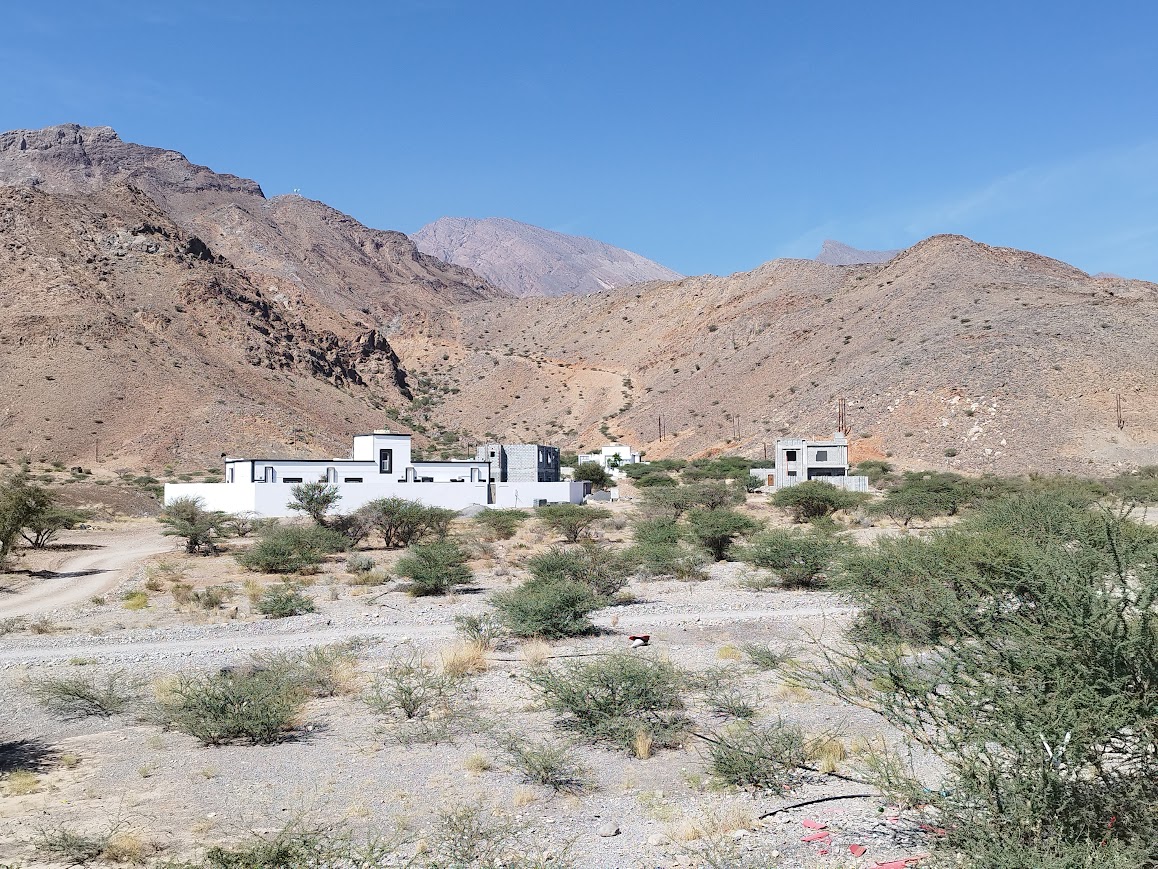
Many plots are also never built upon. Between 2001 and 2020 the Omani government distributed 613,552 plots. In the most recent decade, 17,412 plots were distributed in the Muscat Governorate, out of which 5,563 (32%) plots were sold and 3,195 (19%) plots were built on. This left 8,654 (50%) plots which the owner kept as was, unbuilt.
A key problem is the very long waiting list which means the timeline to actually receiving a plot after applying can be 10 years. One half of a couple may have a plot already before the other gets theirs, meaning they never build it out. When they do receive their plot, there have been cases where administrative errors have led to plots being allocated to two or more people. Recipients have also been known to speculate with their plot, keeping it free and undeveloped with the intention of selling it later at a higher price into the private land market.
Some plots also might get half built, but due to unforeseen circumstances or a lack of money have to pause indefinitely. A drive through the countryside reveals many houses in various stages of construction and no sign of builders around. It is difficult to tell which are making progress and which might remain half finished in perpetuity…
Three affordable housing schemes
Similarly generous schemes are available for social housing. The social housing policy was initially established in 1973 to provide homes that are ‘adequate’, in terms of physical characteristics and intended purpose. I find this use of the term pretty interesting, as what we define as ‘adequate’ in terms of housing can often feel quite subjective. It evokes the modernist debates about what counts as ‘enough’ in terms of a minimum dwelling standard: what people rightly need at a bare minimum. But these things are never universal.
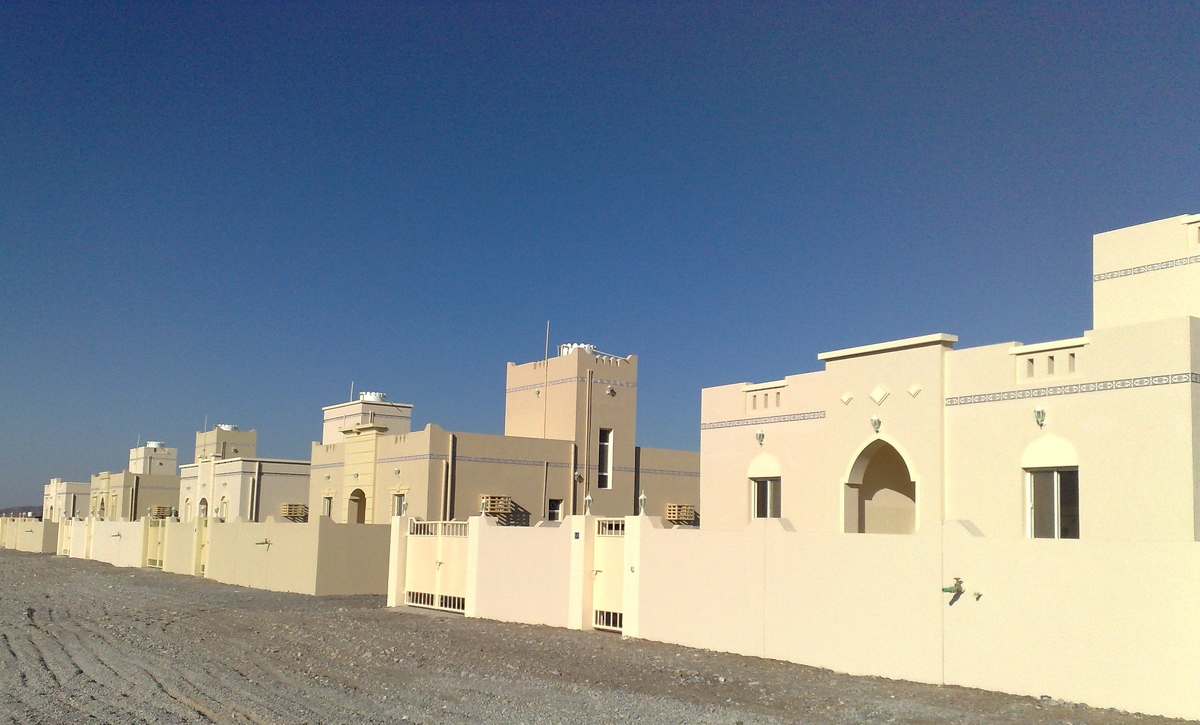
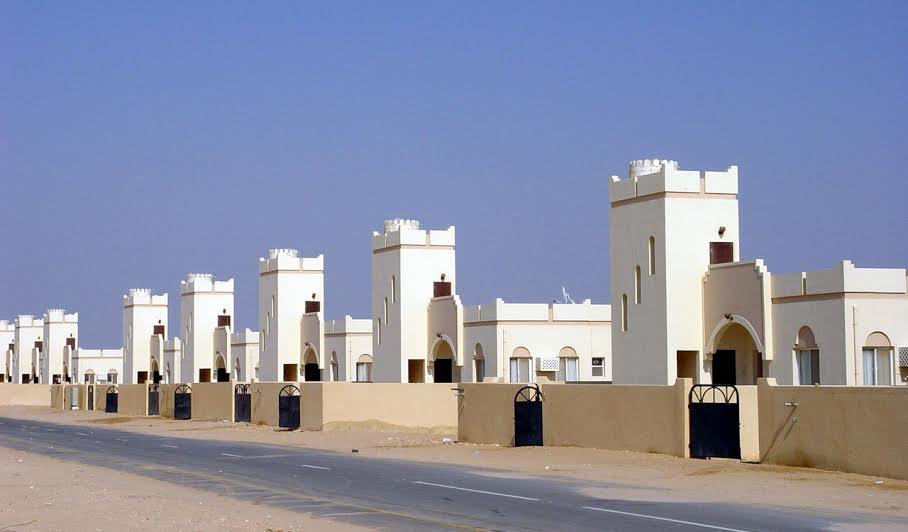
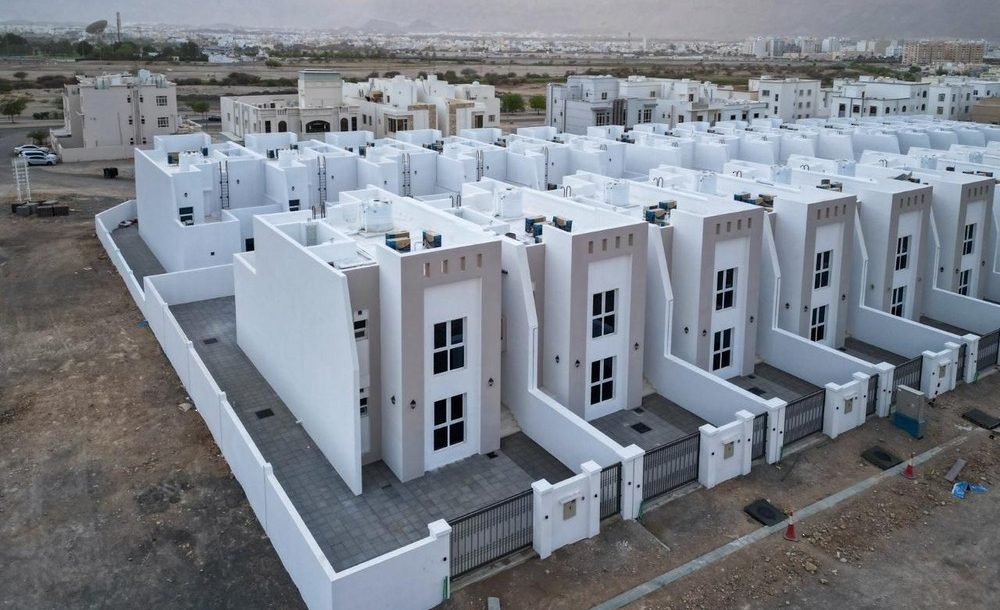
The state provides three main programmes. The first is the ‘Residential Units Programme’ which has been knocking around since 1973. The government provides free housing to Omani households with a monthly income of less than 300 OMR (c.£550). They are generally built as attached housing in one location or as one detached house, and contain living rooms, bedrooms, a Majlis (dedicated space for receiving guests), a kitchen and bathrooms. In larger projects they also provide facilities including mosques, Sablah (traditional gathering space) markets, schools, and roads. They are owned by the Ministry of Housing and Urban Planning for 10 years, during which beneficiaries are prohibited from selling or renting the house to others. After 10 years, the Ministry hands over ownership to the household.
The second scheme is the ‘Housing Assistance Program’ which has been implemented since 1981. This provides financial support of up to 20,000 OMR (c.£38,000) to low income households with a monthly income of less than 300 OMR (c.£550) to restore, maintain, or extend a unit that is already owned by the applicant. This gives very ‘don’t move, improve’ vibes, but fully funded by the government.
The final programme is the ‘Housing Loans Program.’ This has been around since 1991 and offers loans of up to 20,000 OMR without any interest charged. The only condition is that the applicant’s monthly income is 301-400 OMR (c.£550-750) at the time of registration and not more than 500 OMR (c.£950) at the time of approval. The money is repayable with low or no interest in monthly instalments. The caveats are that loans cannot exceed 90% of a property’s value or 60,000 OMR (c. £115,000) and must be repaid within 25 years.
Between 1973 and 2014 around 44,000 Omanis benefitted from these schemes combined, or around 15.7% of the total Omani households. I’ve struggled to find comprehensive recent figures for each individual scheme, but an early 2026 government announcement declared an extra 100 million OMR for a housing assistance programme to cover 3,500 families during 2026 and 2027. I think it is especially interesting that assistance is specified for families residing in mountainous areas and those affected by climatic conditions. The changing climate is impacting everyone around the world, from Omani mountains to the flooding, subsidence, and coastal erosion here in the UK.
The main point though, again, is the exceptionally generous approach to housing from the government in enabling its citizens to access land and housing. It feels like another level to what I am used to. Can you imagine each citizen getting free land for you to get on with it here in the UK?
The villa, the wall, and exceptional urban sprawl
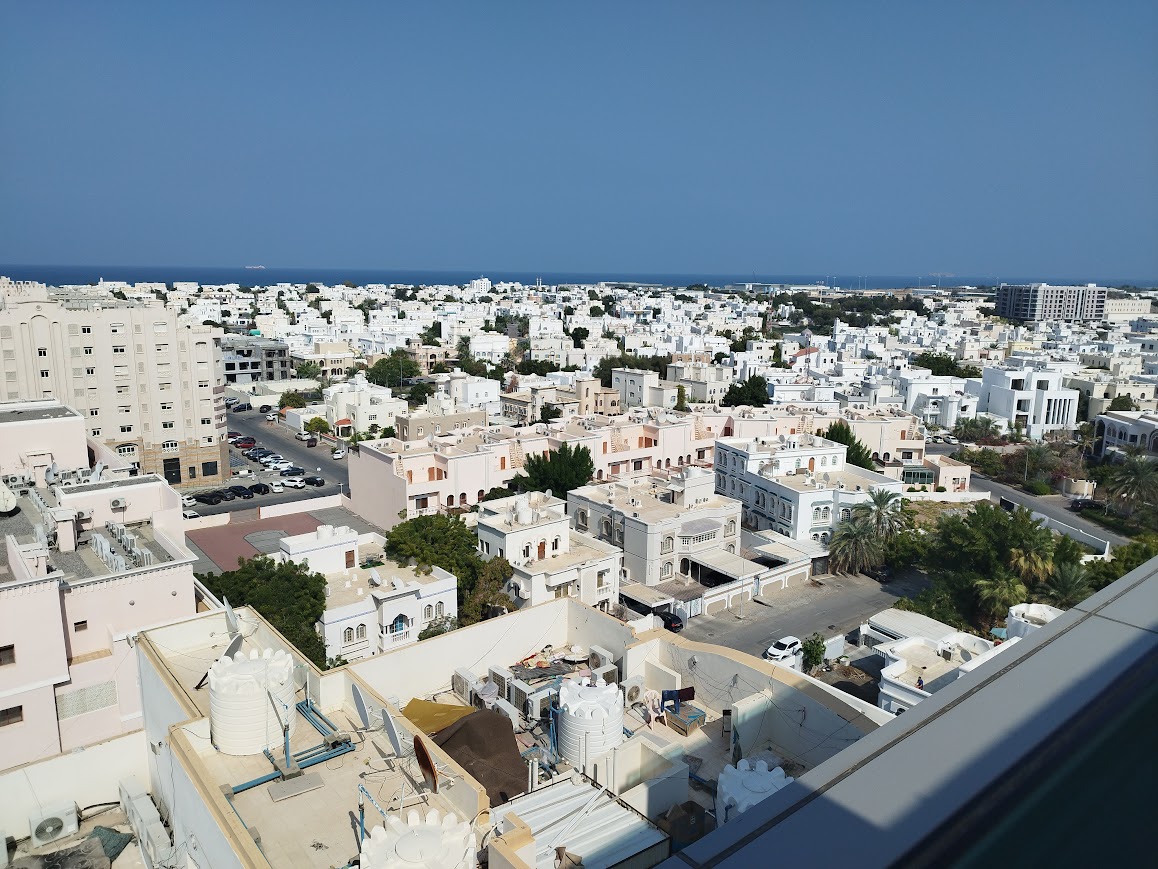
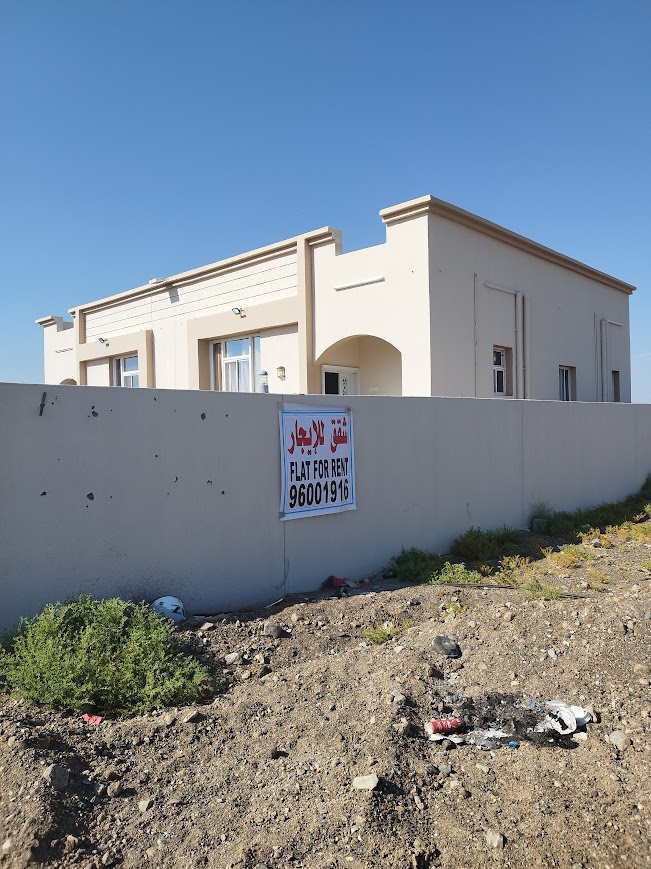
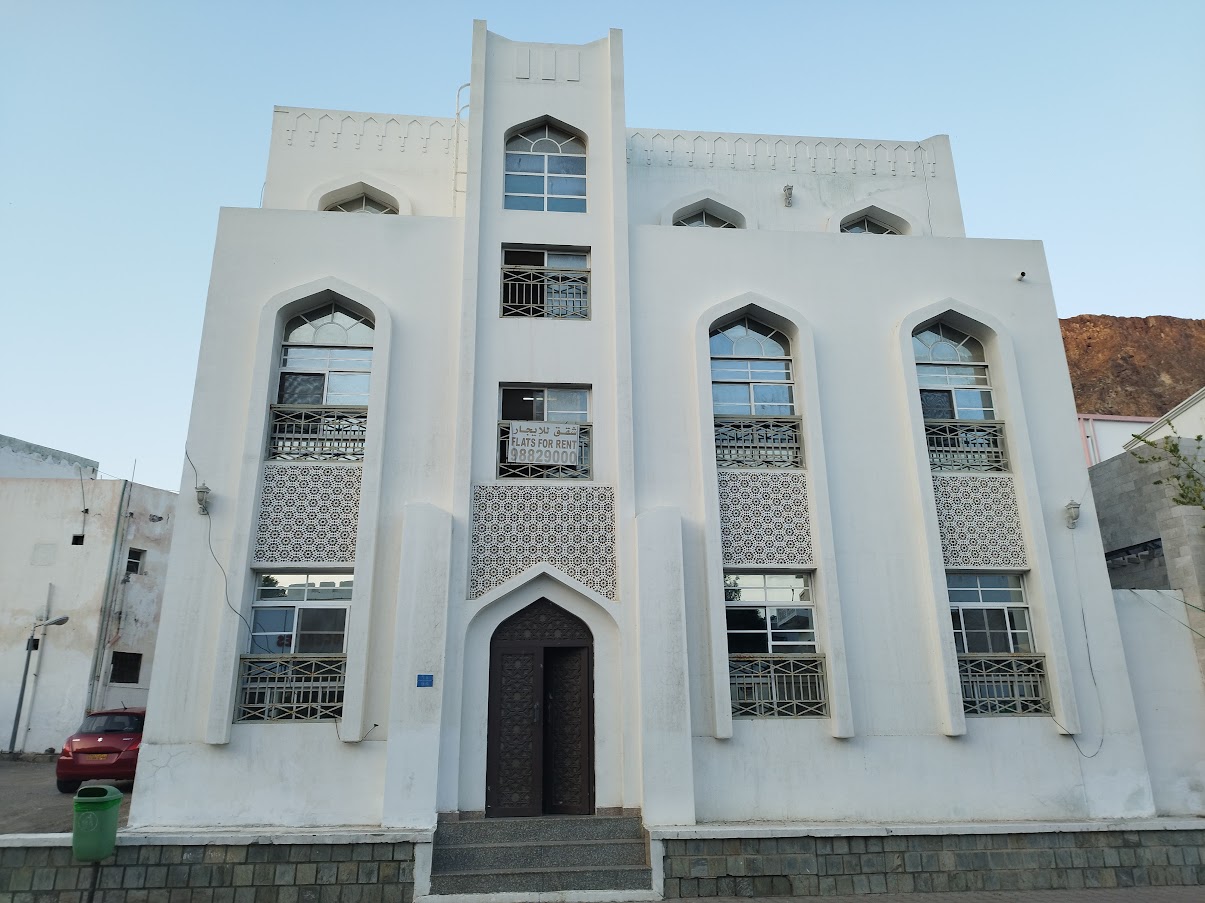
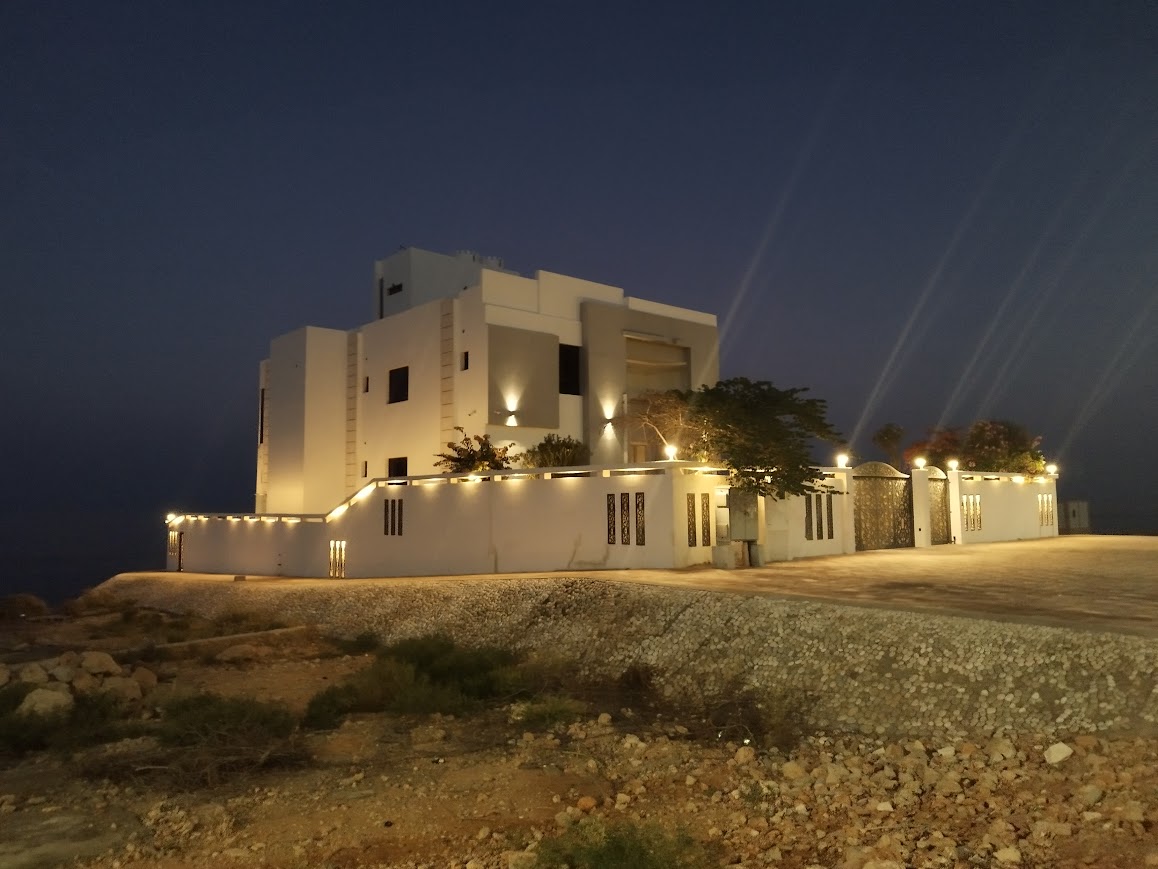
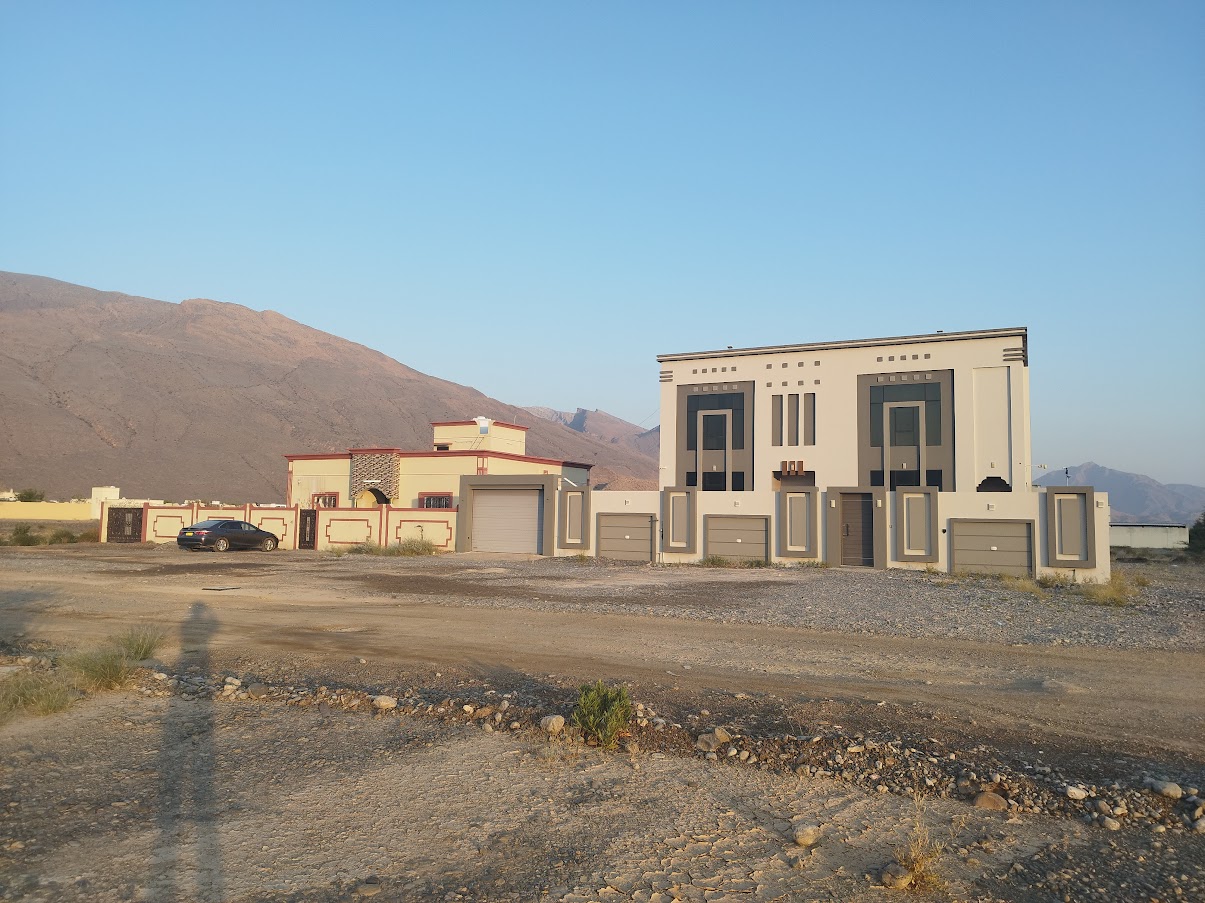
These factors combine to encourage the defining architectural feature of Omani housing: low-rise single family villas surrounded by high-rise walls, spread out in uncanny fashion.
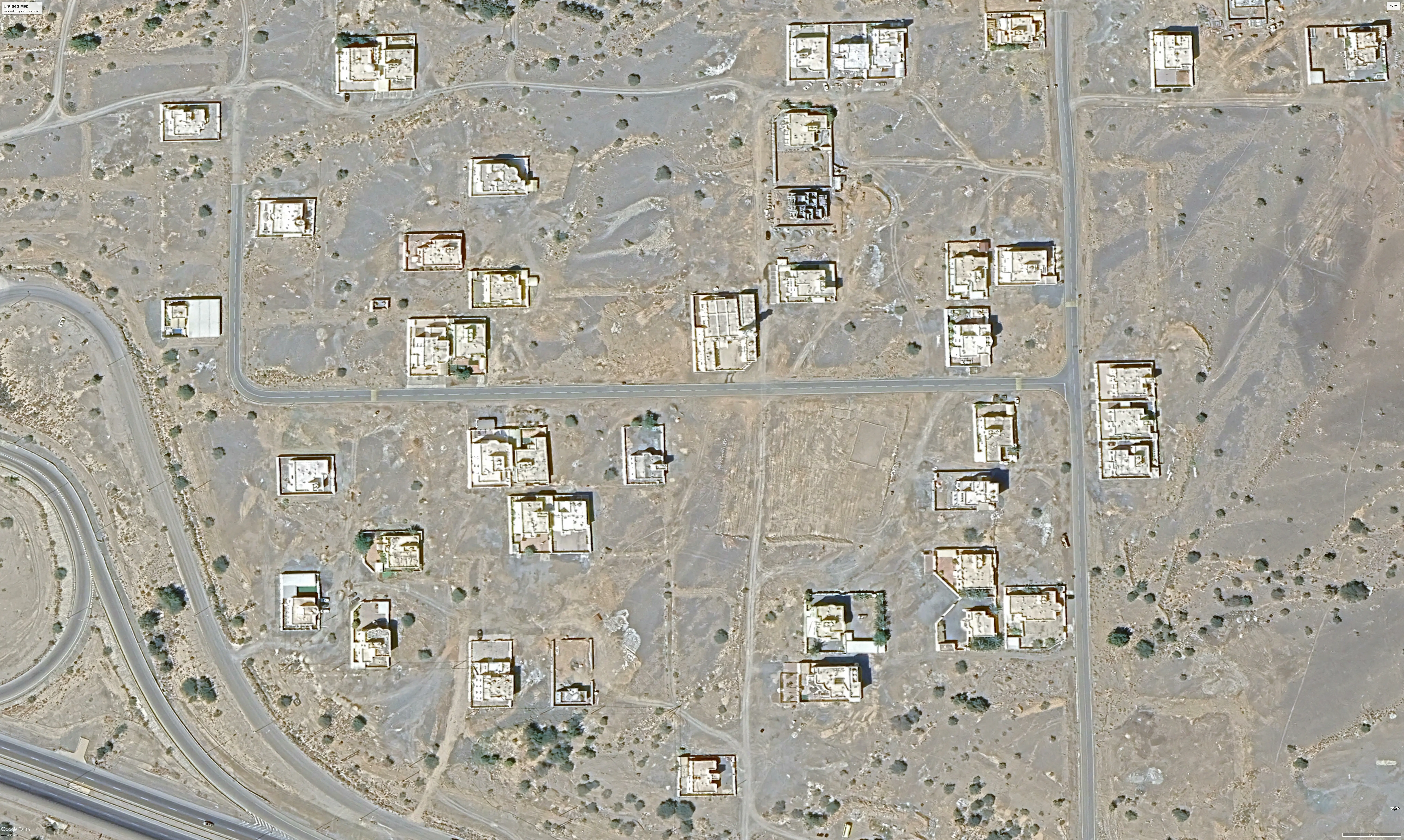
Building codes demand the house to have a central position on its plot, with a 5m set back from the front and 3m from either side. They also limit the built-up area to 40% for each plot and must not exceed two floors and 8m in height. Through these codes the single family villa becomes the government standard as a housing typology for locals, and exemplifies the traditional expectation of individual land ownership. But they contrast with the traditional typology of semi-detached courtyard houses in a densely built settlement that used to be the main typology. The modern villas are intended to provide maximum privacy, but in doing so require a huge amount of space.
Town after town reveals monofunctional urban sprawl to an extent I’ve never seen before, creating a huge dependency on cars and long commuting distances. This leads to unsustainable land consumption that causes higher costs for infrastructure networks to stretch far but only accommodates a few households.
Each plot feels peculiarly suspended in voided space, set back far from other nearby villas or in small clusters. Social housing units provide a slight reprieve to this separation, where one storey houses are usually attached in neat rows built on government land. But they are still often spaced out and separated from other structures.
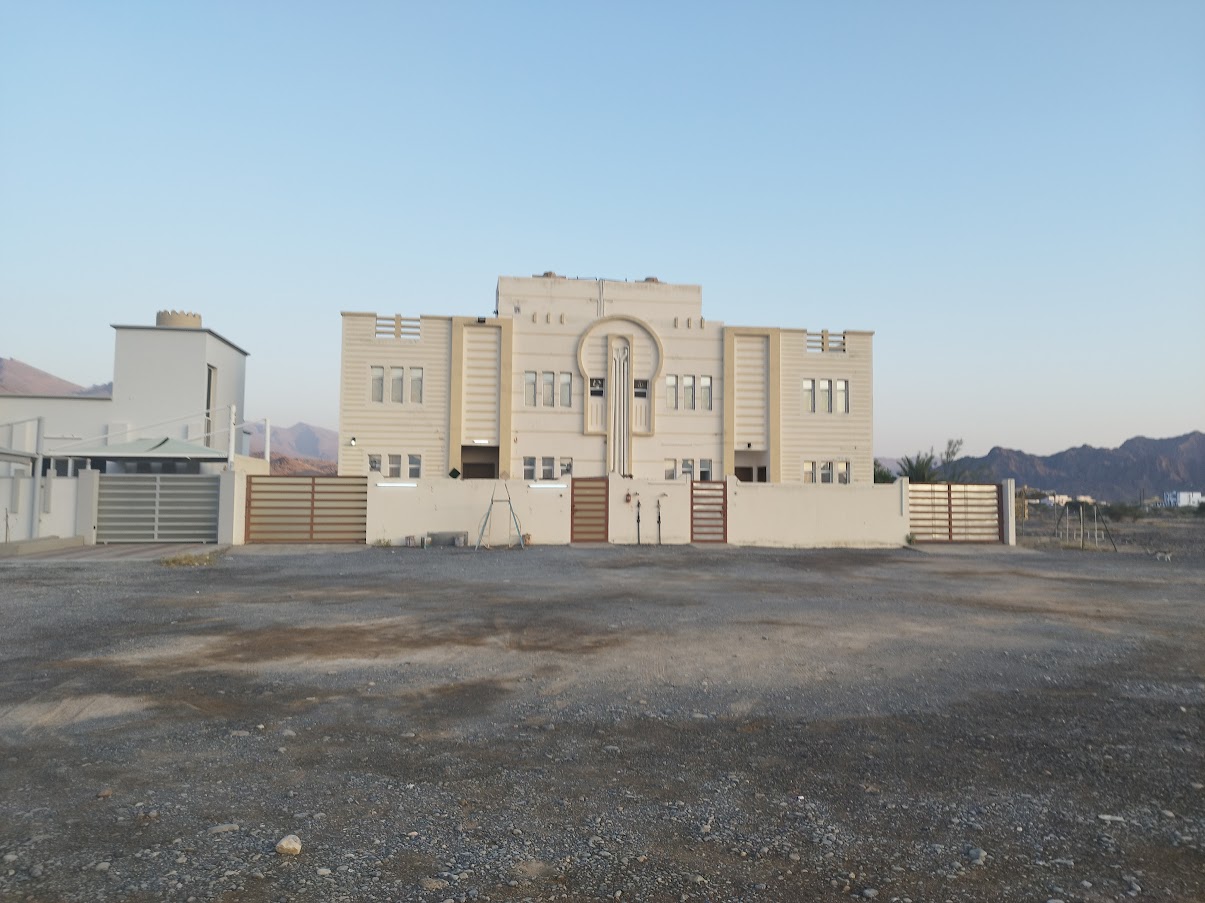
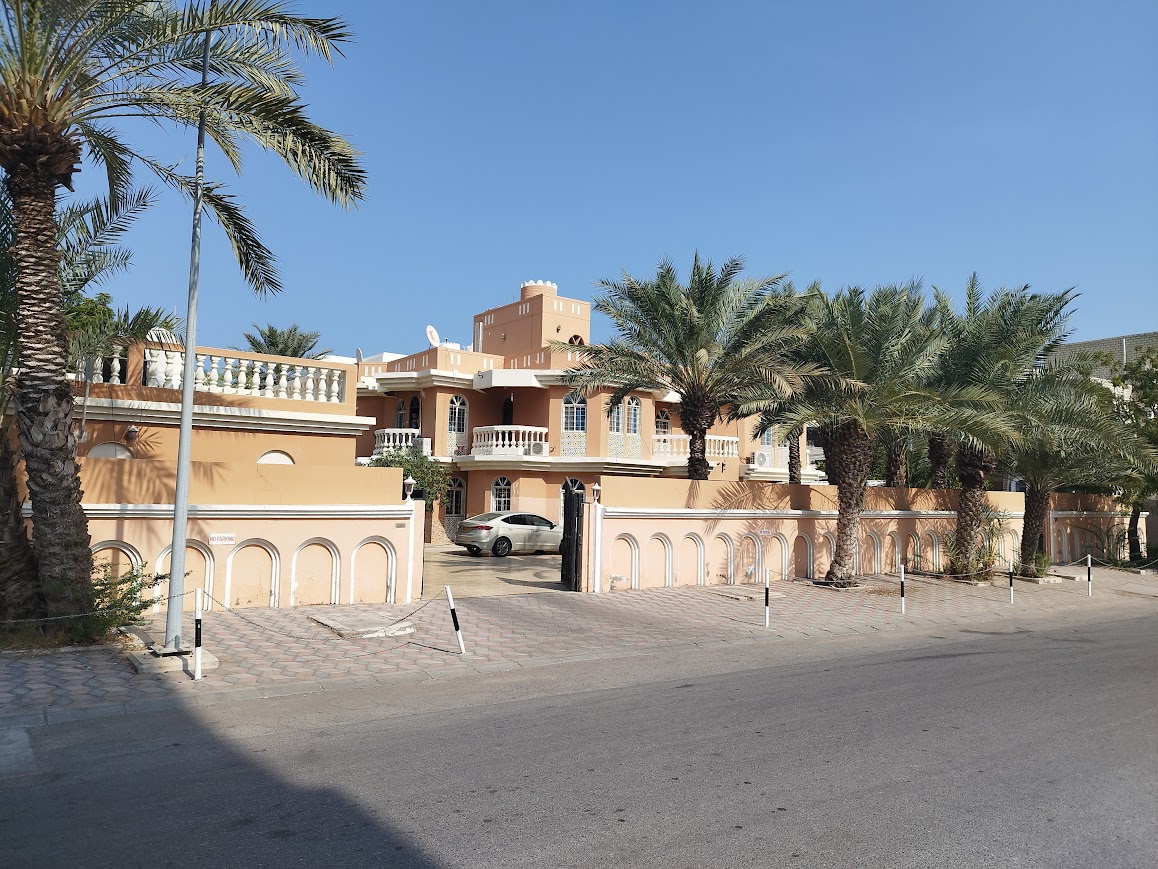
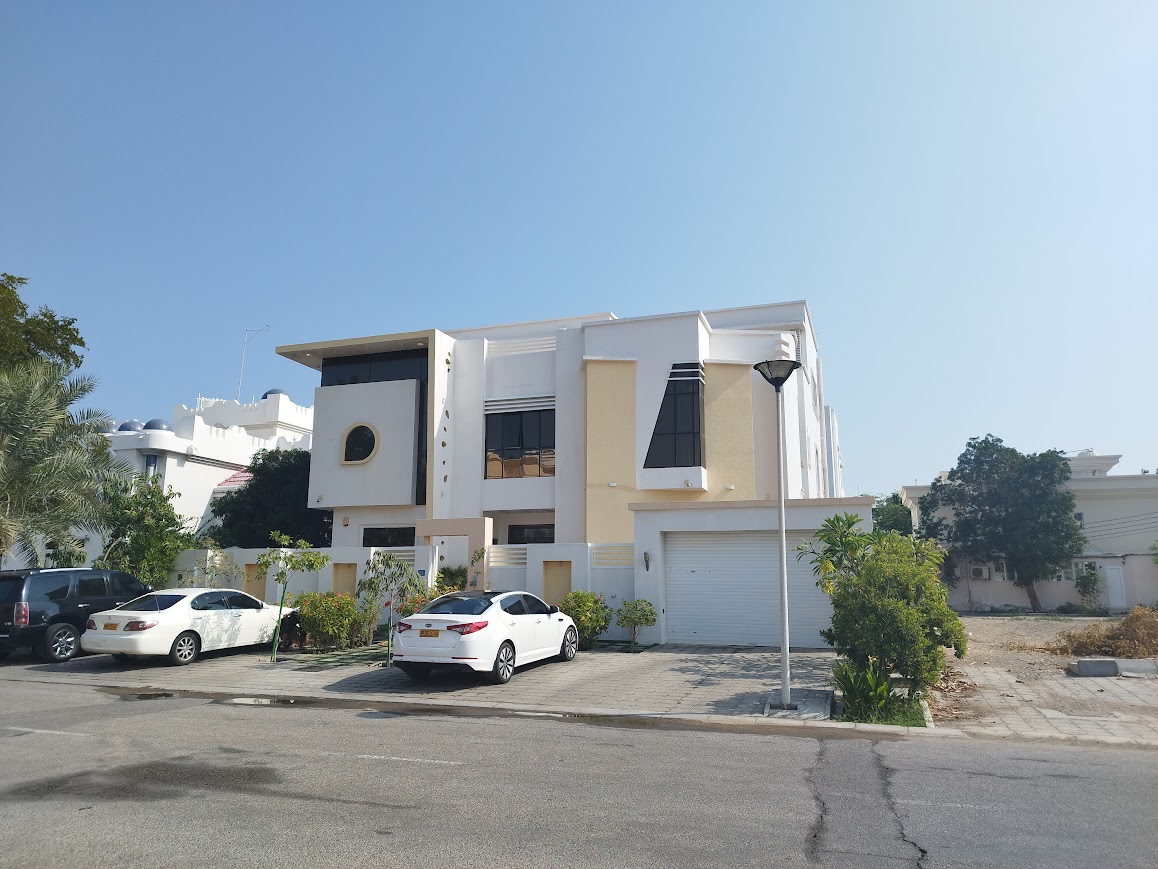
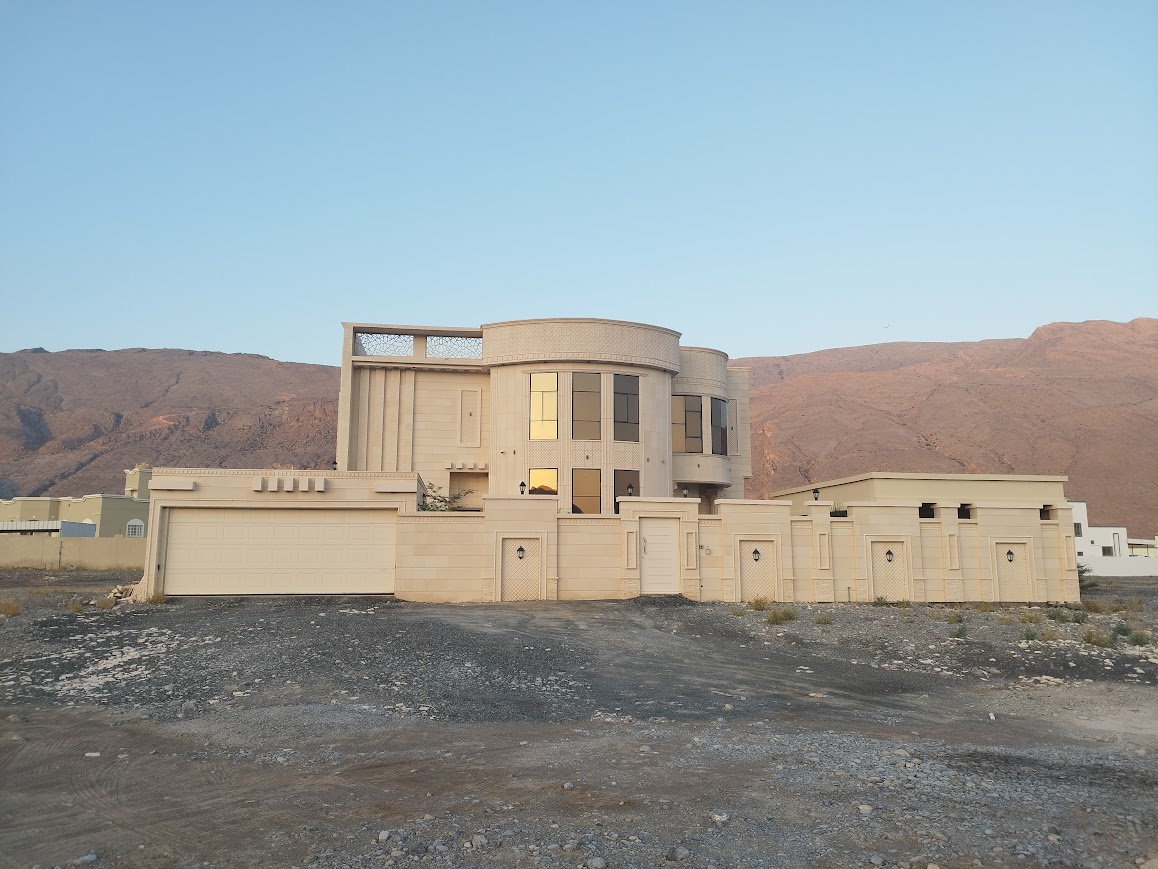
The standardised typology is applied across the sultanate and, according to one academic paper I read, fails to show consideration to the local demographic, geographical, social, and climatic conditions that once defined Omani housing. Each villa comes to be exposed to the sun on all sides, with no protection from hot wind, dust, high temperatures and moving sands.
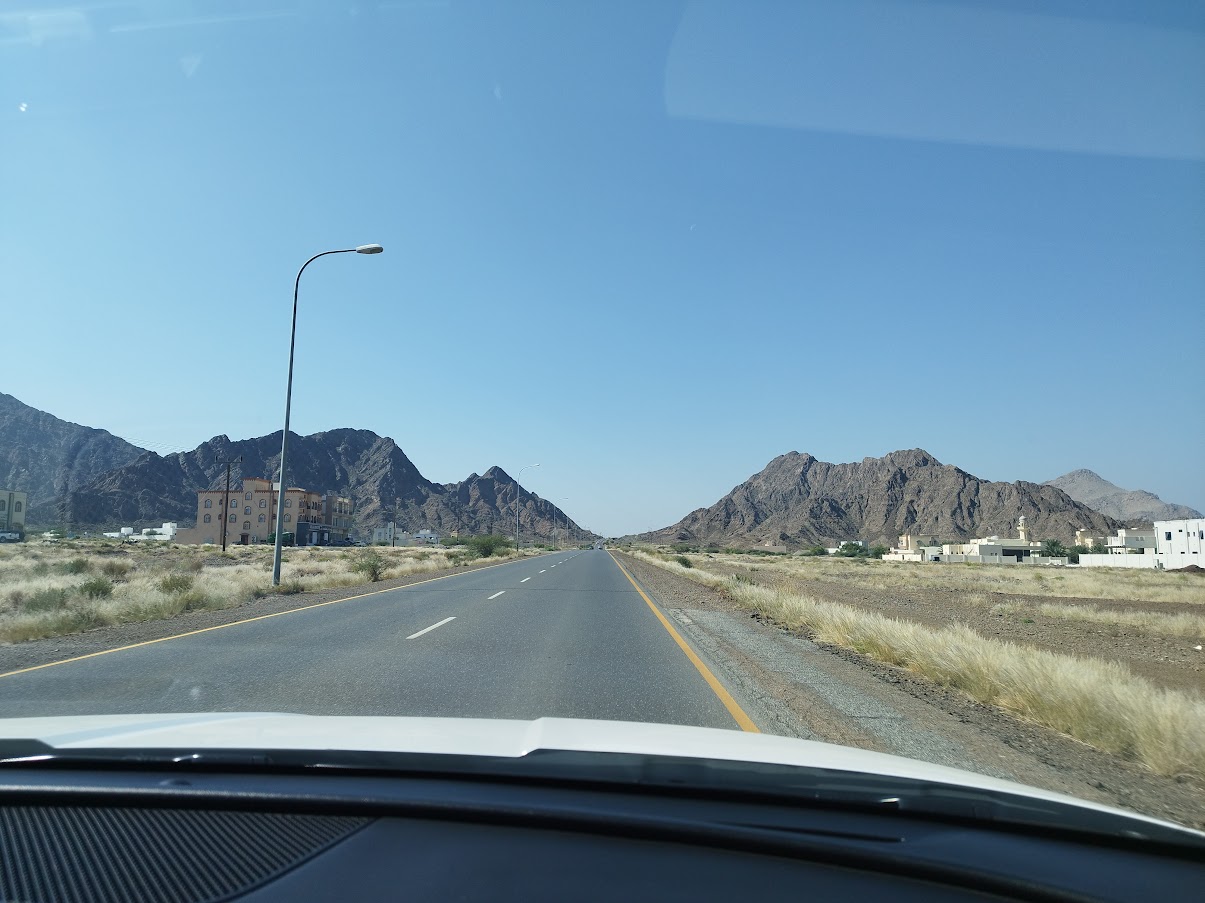
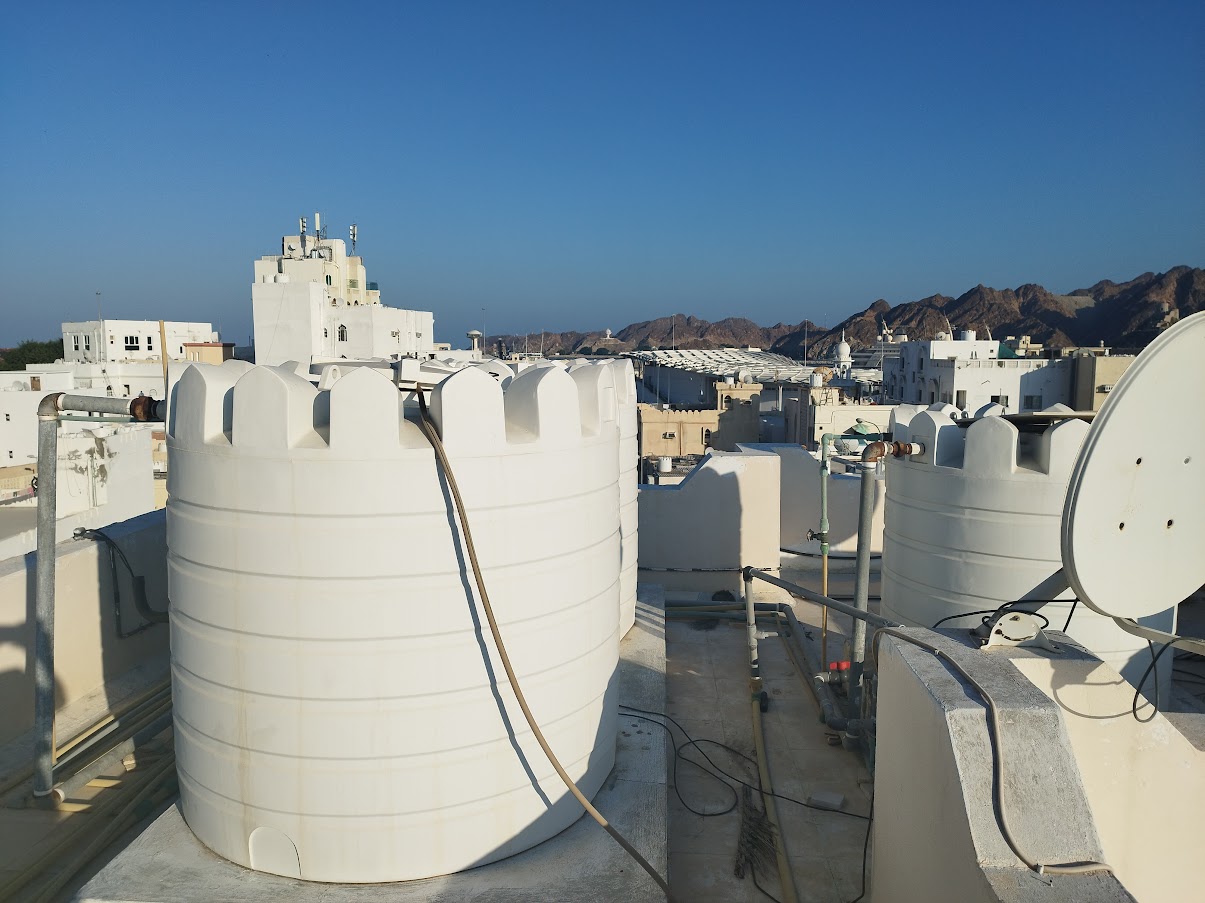
This is compounded by the fact that the new buildings are mostly made from concrete, evident in the half-built shells of some plots. Traditional homes used to be built from thick walls with very limited screened openings to help keep the heat at bay. In the new villas, larger, more western windows which can be covered by shutters are common. Air conditioning units come to compensate for the thin walls and speckle the facades, accompanied by the extra energy use this entails to maintain a habitable temperature.
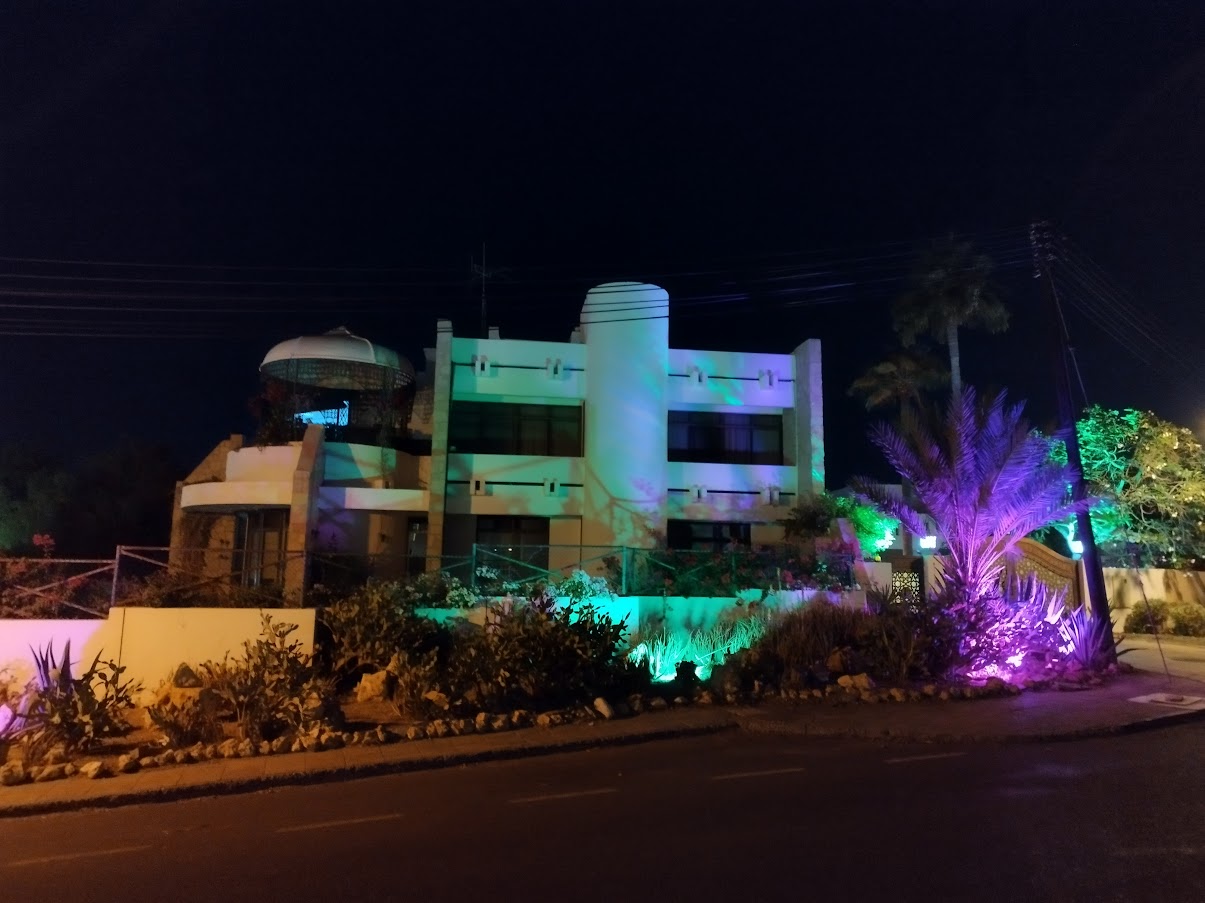
Nevertheless, some traditional forms of spatial organisation are preserved. First is the mandated colouring of the homes. Regulations dictate that the exteriors of buildings are white or light shade like ivory or beige in order to maintain a traditional architectural aesthetic as well as help reflect sunlight in the hot climate. Any other colour requires government permission to use. Indeed, one need only look at the sprawl of villas to see a cohesive visual identity of lightness, in spite of other factors that differentiate them from one another. The cities come to glisten in the sunlight of the day, while at night they emit a ghostly paleness under the many lights that illuminate them. I did find one villa lit in colourful shades of greens and purples at night, which I like to think of as a subtle subversion to the rule that wouldn’t be apparent on any daytime inspection.
The second preserved tradition is the spatial organisation of internal spaces and their exterior manifestation. The Majlis rooms near the home entrance are a dedicated place for receiving guests and holding social gatherings. Houses will often have a second front entrance into this room to allow the full separation between private family life and visitors, and you can see this in the villas looking in from the outside.
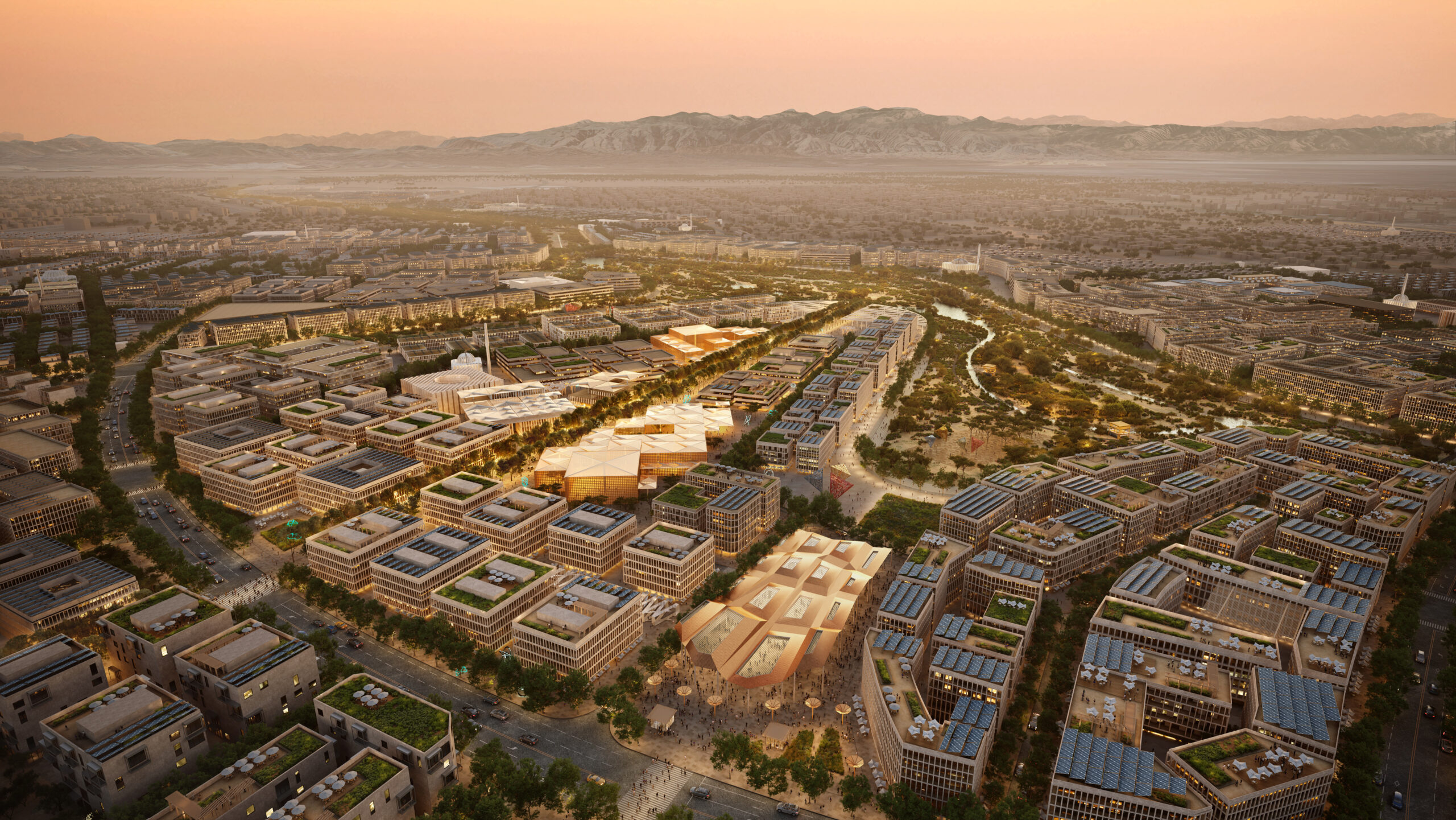
A positive shift is that the Omani government has clearly cottoned on to the problems of sprawling development. The Oman Ministry of Housing and Urban Planning has set out its Oman Vision 2040 which seeks to develop a network of urban areas which are more compact, walkable, and energy efficient. The flagship project for this is the Sultan Haitham City, a new smart city next to Muscat. It is intended for 100,000 residents and will feature different housing types and tenures that are within walking distance to new public amenities, parks, and open green spaces. It is all intimately tied into the country’s desire to transition away from its economic reliance on oil to a more diverse offering, as is happening with much of the region.
This is all encouraging to see, and in a way shows how Oman is embodying similar trends to the rest of the Gulf nations. But it also seems very distinct from its neighbours. The low-rise nature of its towns and cities also make its built environment feel much more familiar and less overwhelming (at least to my British sensitivities). While the grand projects of the UAE and Saudi Arabia operate often on a mind boggling scale, with tall skyscrapers and dramatic developments like Neom and the Line, Oman seems to operate in a much more reserved fashion. I think this is a tremendous thing, making it seem focused on more sustainable and incremental progress rather than grand, flashy statements.
Final thoughts
Since visiting Oman it’s been disheartening to see the country and wider region propelled to the forefront of the global consciousness through the current conflict (at least as of 2026). Although Oman differentiates itself from its immediate neighbours, it will be equally disrupted as the long-term stability of the area is called into question. That stability is key to the monumental pivot the region is trying to make.
I also wonder, once that pivot happens, how long the generosity of the state can support schemes like providing free land to all citizens? It is a remarkable thing but one that will inevitably get messier as the population grows and the ‘best’ or most valuable plots get distributed. I am hugely curious over how these legacy policies fit into the 2040 vision in practice over time. When citizens have been used to building their villa, how will they adapt to higher density options? Will they embrace it or steer clear? Will it change how they want to live? Whatever happens, I am excited to see what these sustainable, denser communities with an Omani twist end up looking like.
The doors of Oman
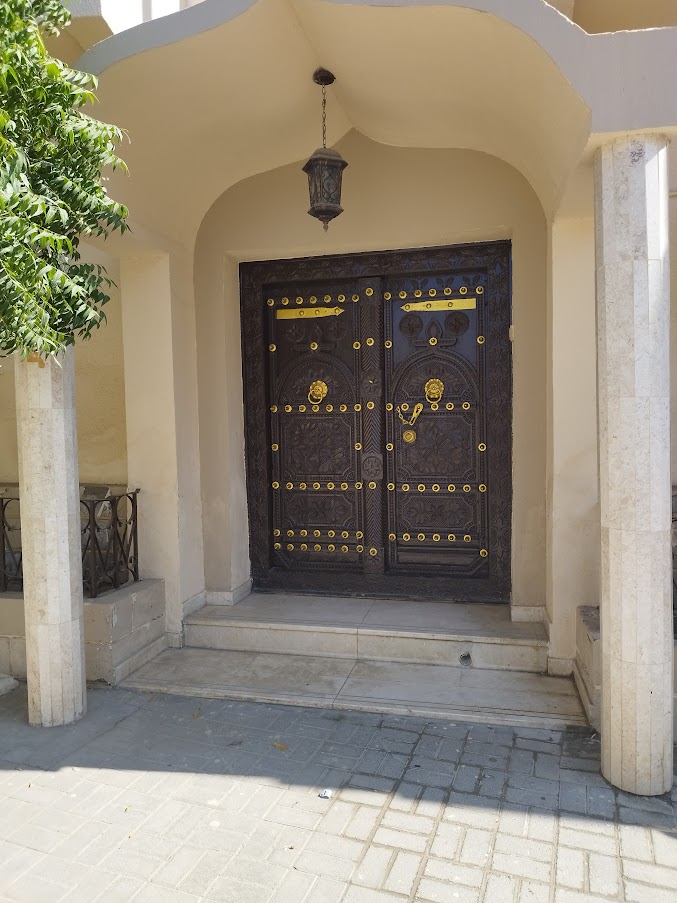
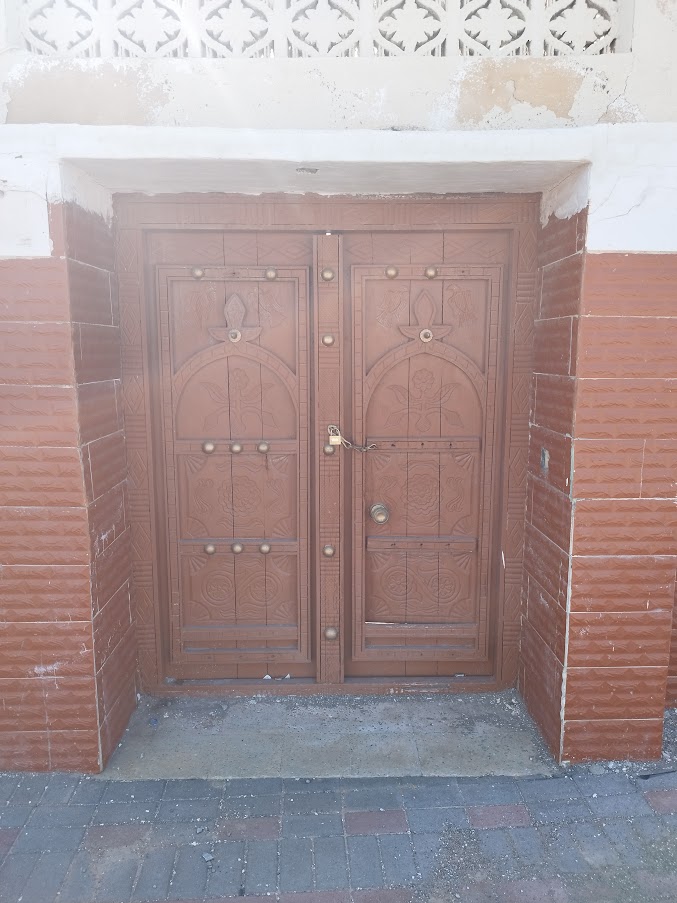
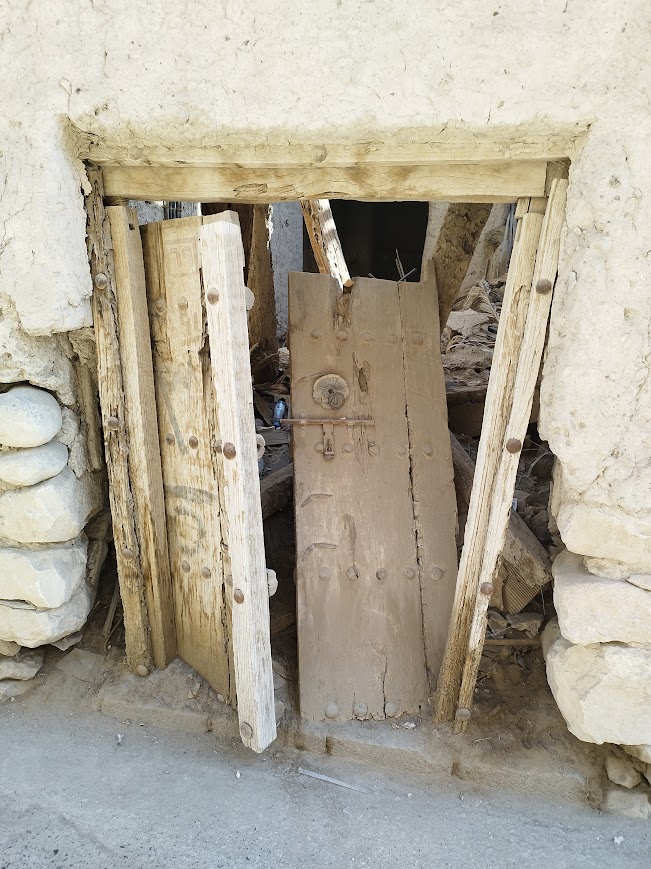
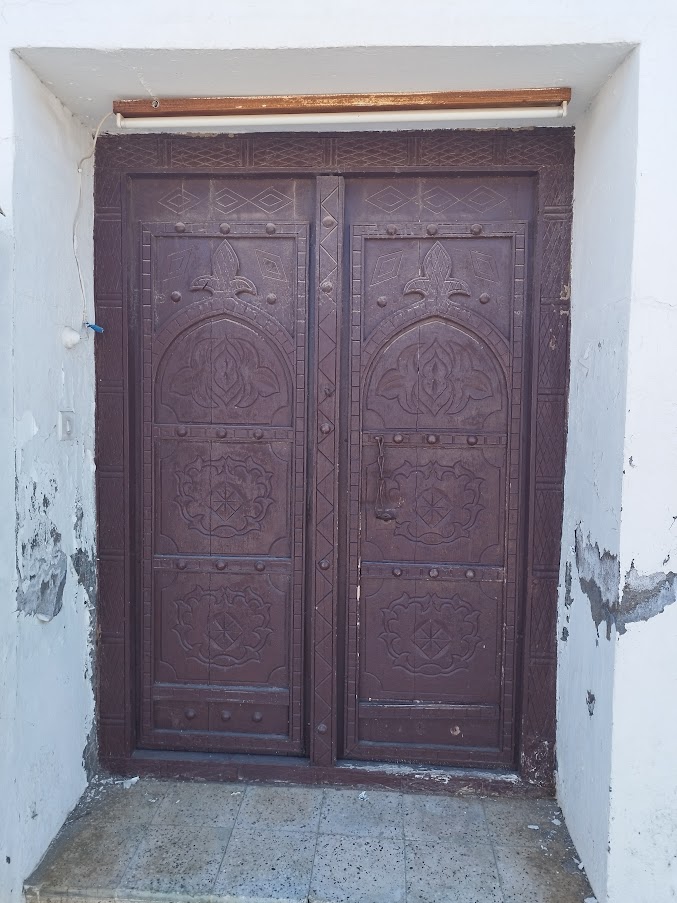
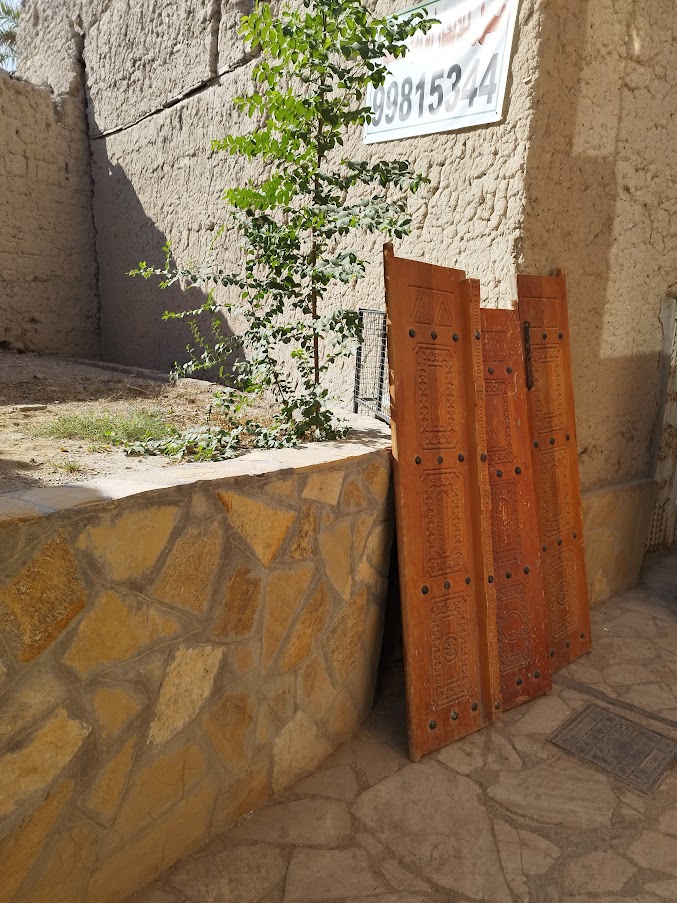
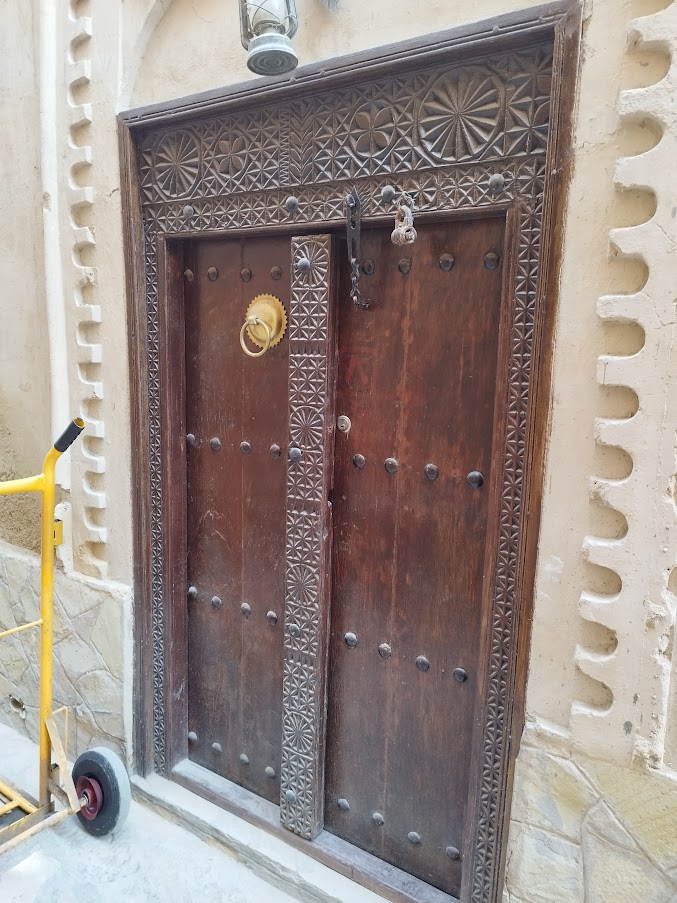
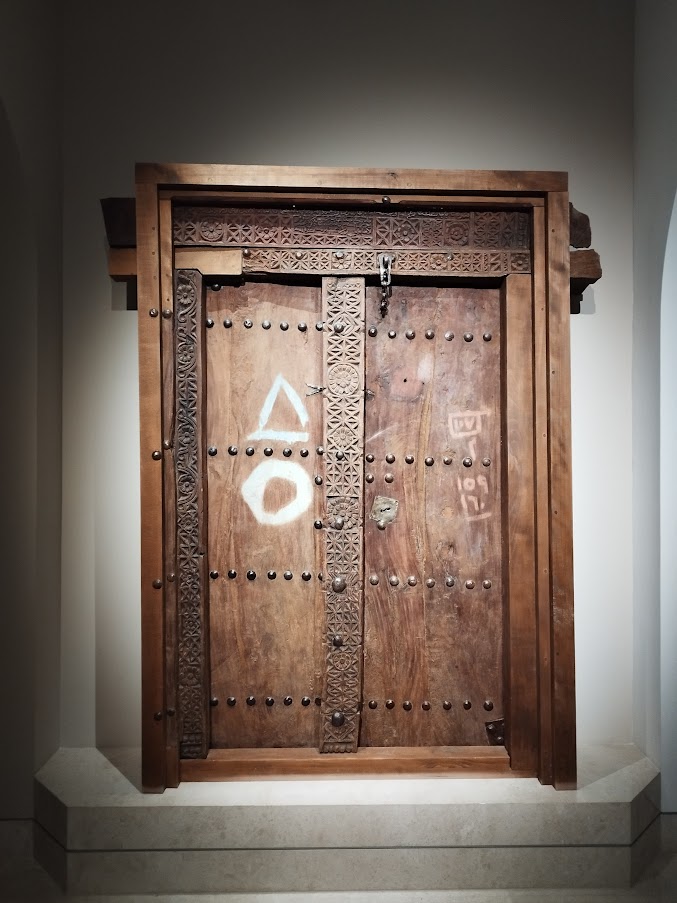
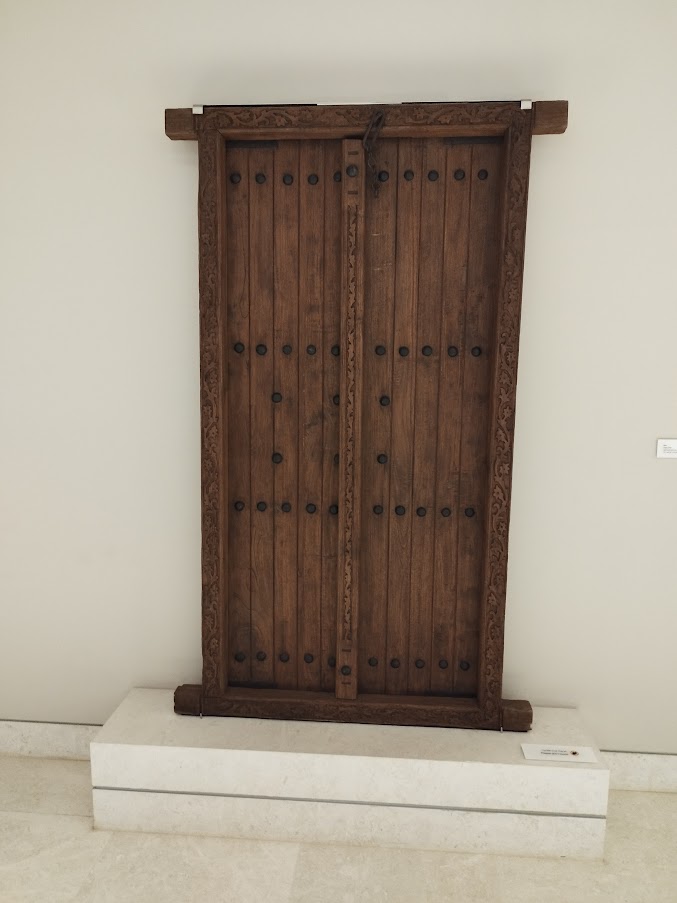
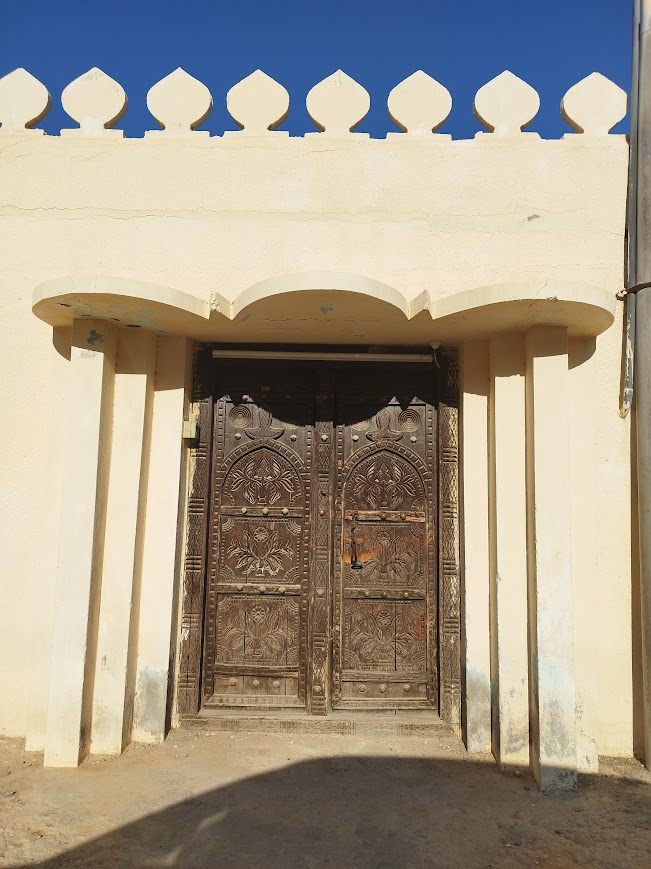
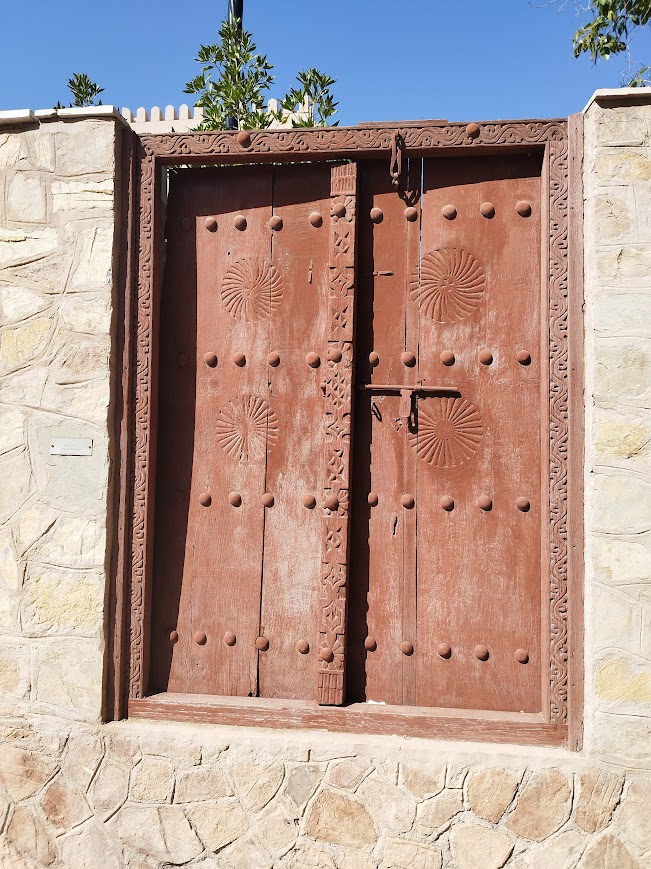
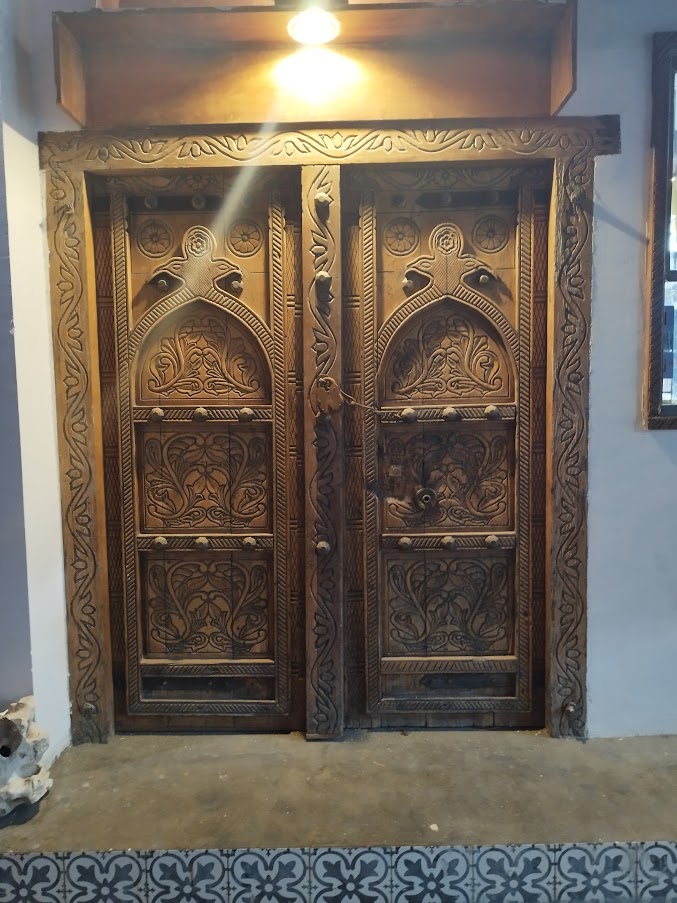
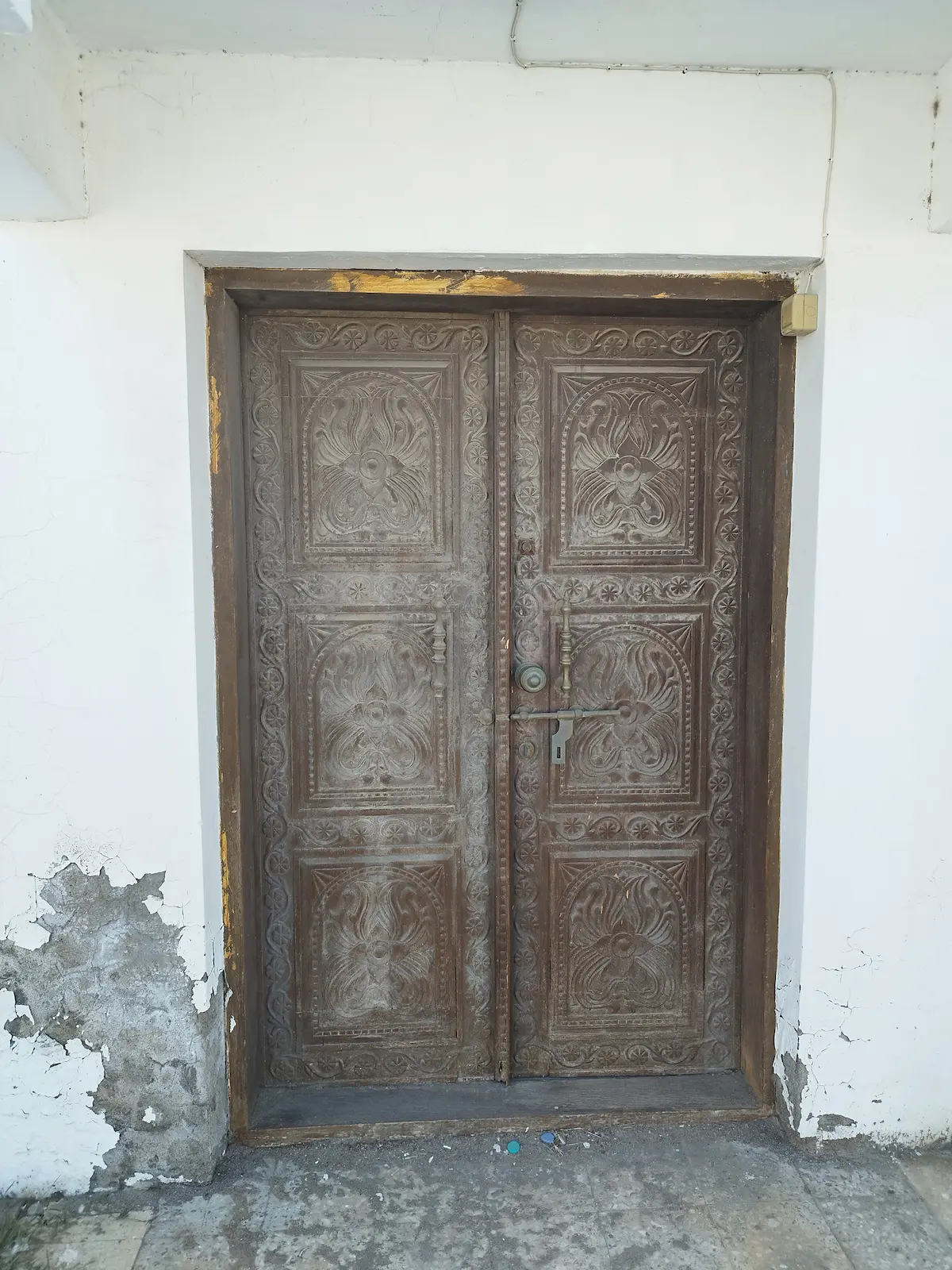
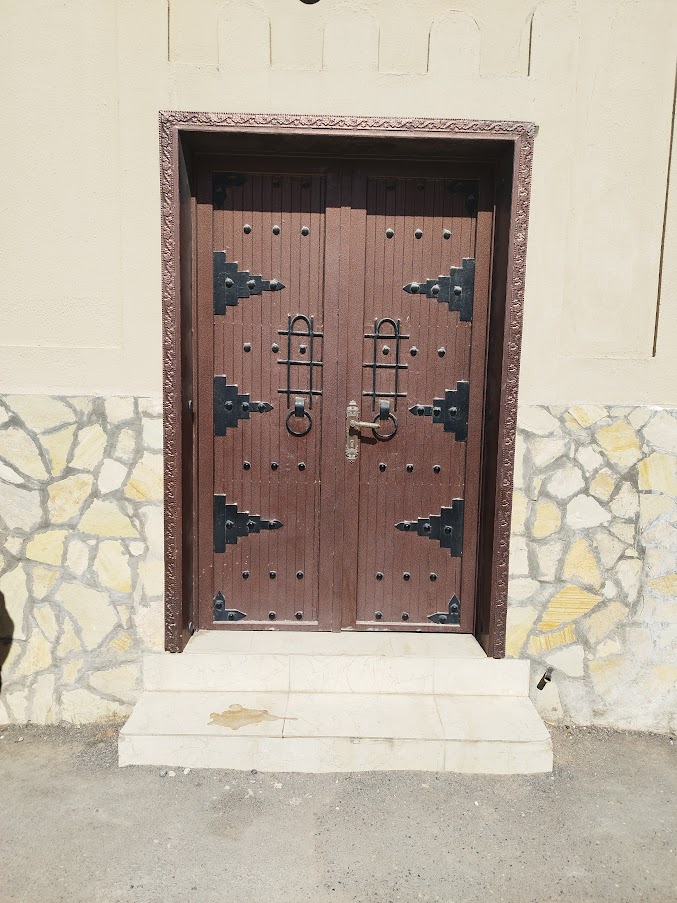
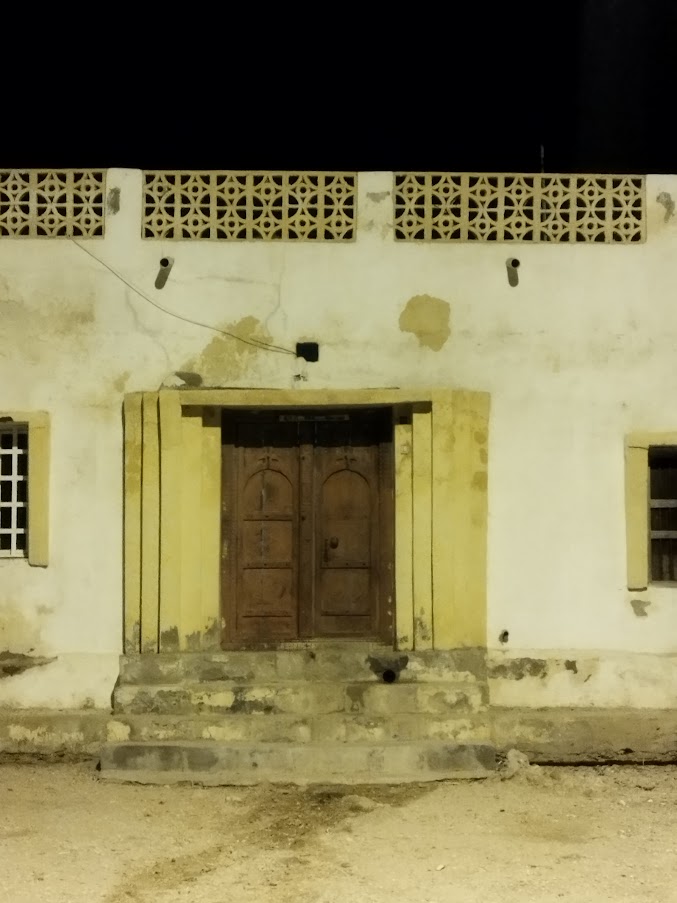
I couldn’t omit mentioning one feature of the buildings that I have not experienced anywhere before: the amazing diversity of ornate doors that adorn Omani homes. Striking combinations of patterns in wood, metal, and paintwork provide beautiful entrances to domestic spaces. Even homes which by all other means appear fairly utilitarian still feature elaborate doors that give a fitting sense of welcome into the home. When regulation dictates that all buildings have to be painted white or in light shades, the door often provides the only opportunity for a striking visual contrast.

Disclaimer: These posts reflect my best understanding of each market. They are based on conversations with locals and experts, academic articles, and other online publications while trying not to get bogged down in too much detail and keep things understandable and perhaps a little entertaining. If there is anything that is factually wrong or out of date, things that I’ve misunderstood, or extra nuances you think it important to note, please do get in touch!